
We are your one-stop shop for all your auto repair needs. Our experienced technicians are here to provide top-notch service and get you back on the road in no time. Contact us today to schedule an appointment.
Headlights are one of the most critical components of your vehicle. They allow you to see the road ahead clearly at night and in adverse weather, and let other drivers see your vehicle. Many drivers report that their headlights become dimmer over time. If you’re asking, “Why are my headlights so dim?”, there could be multiple factors at play. This guide will cover the most frequent reasons (and solutions) for why your lights aren’t supporting optimal brightness.
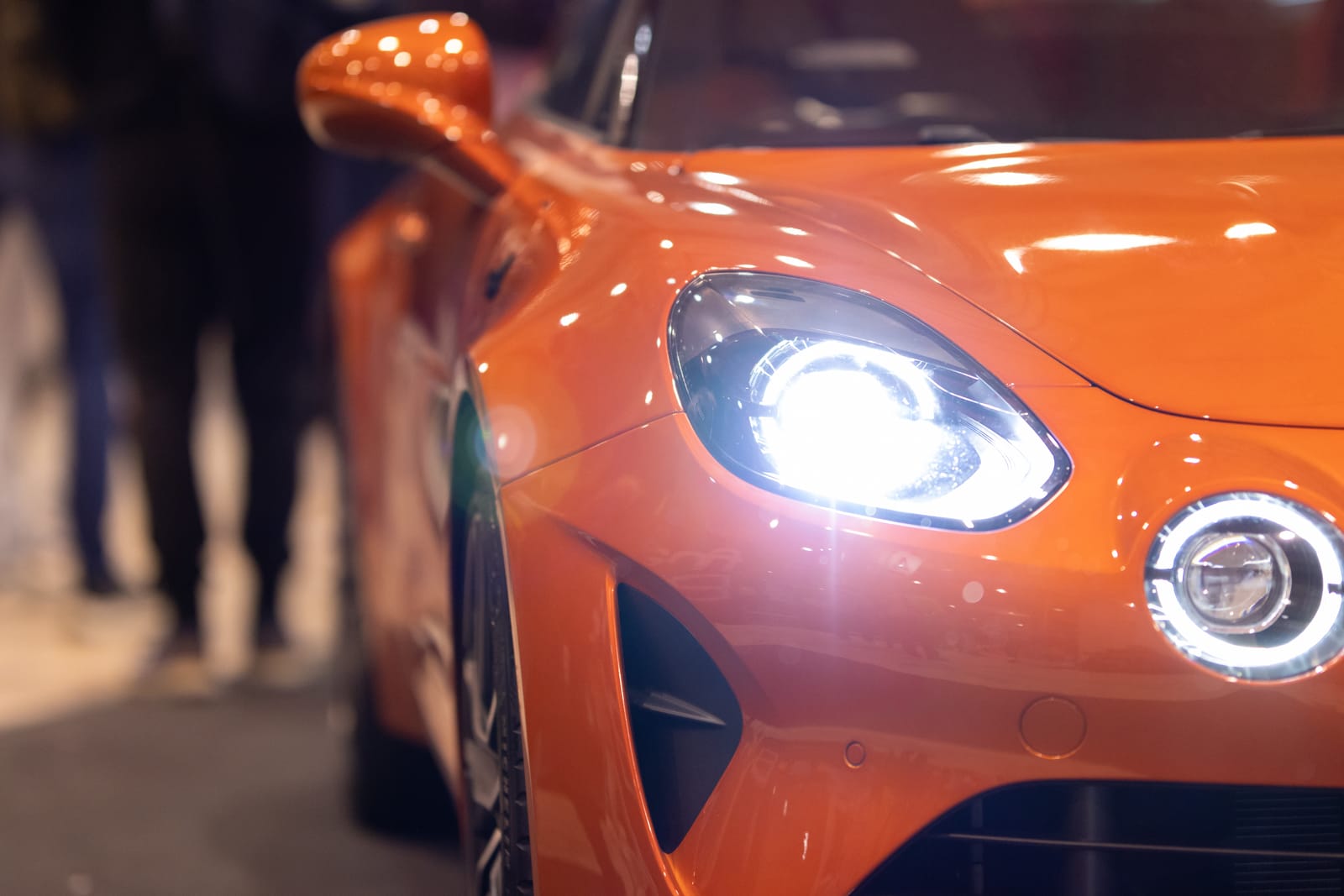
Bulbs eventually degrade and diminish in brightness. Most cars use halogen bulbs, which gradually dim as their filaments wear out. Another drawback of LED and HID bulbs is that they lose brightness over many years (not as fast as halogens, but they still wear out) and often turn blue as they age.
What to do:
Most bulbs are sold in pairs, so replace both bulbs at the same time to ensure even light output on both sides. If one light fades, the other isn’t much farther behind it. It is recommended that you use good-quality OEM or aftermarket bulbs for your make and model.
Plastic headlight lenses oxidize over time due to sun exposure, road debris impact, and weather. The lens becomes cloudy, yellow, or dull, reducing the light illuminating the road.
How to fix it:
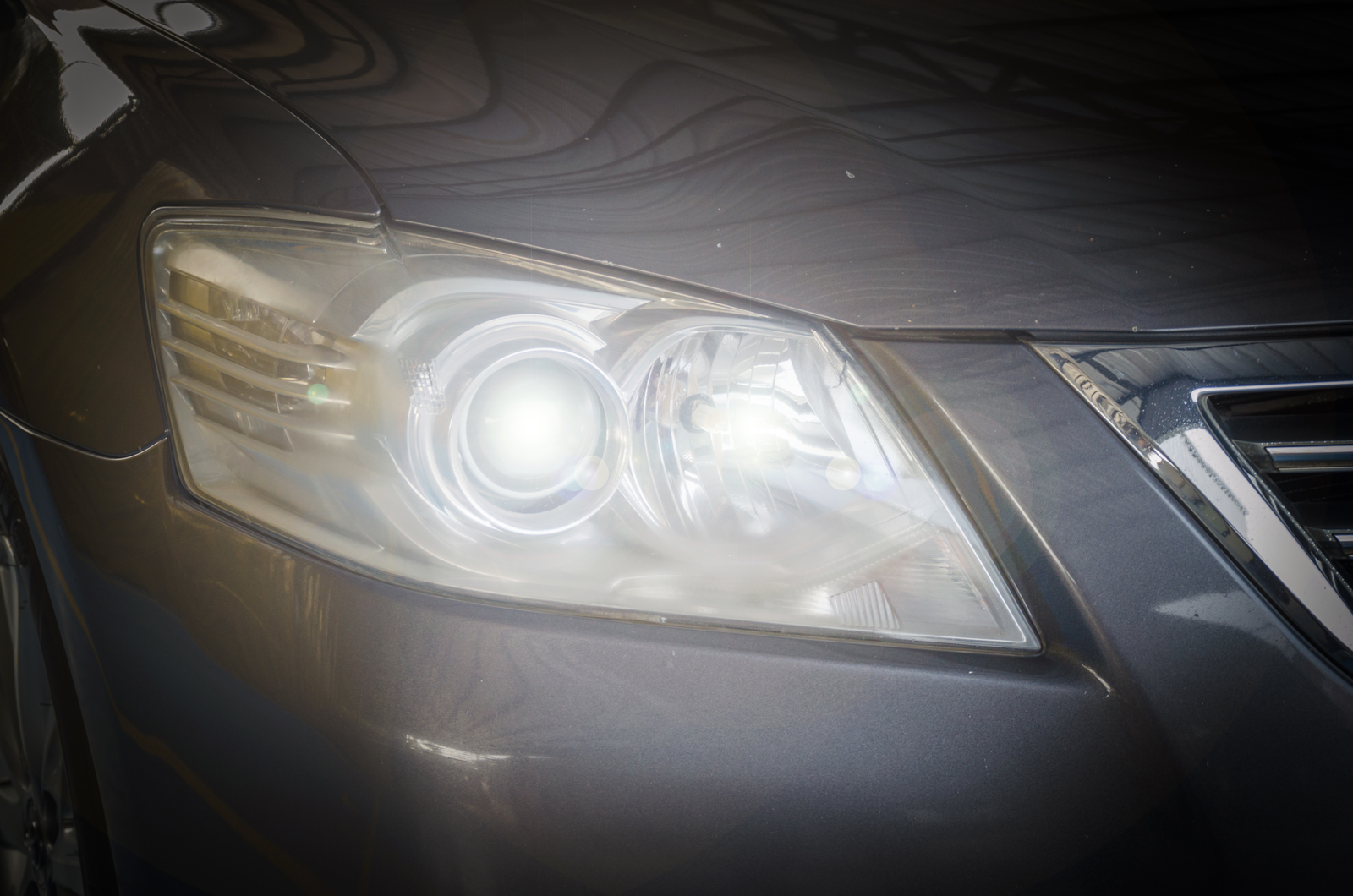
Dimming headlights is a common sign of low electrical system voltage. If your battery is weak or not holding a charge, or your alternator is delivering insufficient output, your headlight bulbs will dim or pulse.
Watch for signs such as:
Solution:
Have your alternator and battery replaced if necessary at America 1st Automotive.
Old or frayed wiring and corrosion dampen the current to your headlights. Exposure to moisture, salt, and typical road grime leads to oxidation on contacts and connectors.
How to address:
Your car’s relay or headlight switch controls when power flows to the bulbs. If it’s malfunctioning, you might see flickering or dim output on one or both sides.
Fix: A technician can test these components with a multimeter and replace the faulty relay or switch.
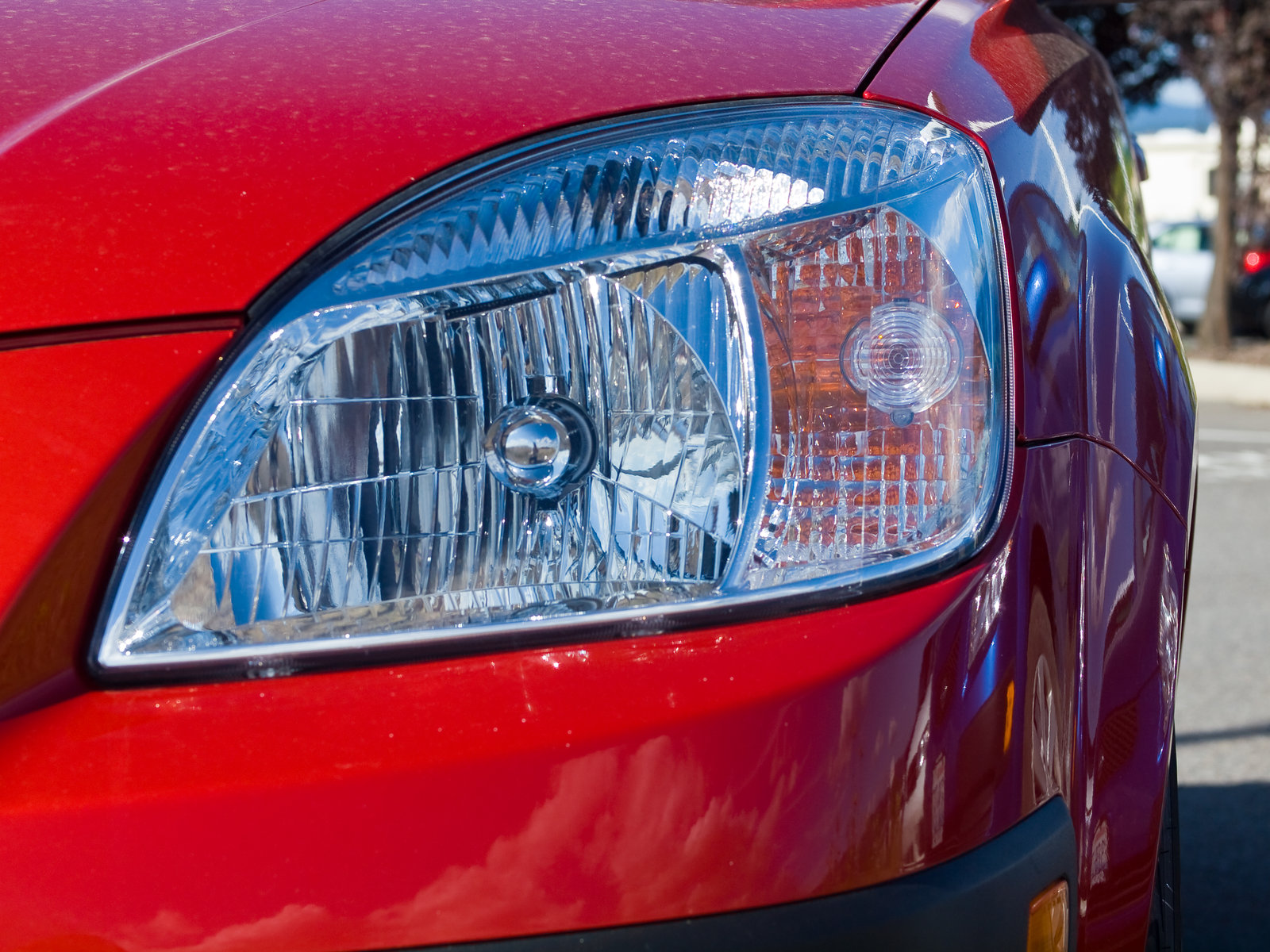
Installing the wrong type of bulb leads to low brightness, poor beam pattern, or even glare for other drivers. The wrong wattage or connector type affects performance and can overload circuits.
Have a technician at America 1st Automotive install the correct bulb for your vehicle.
Inside your headlight assembly, reflective surfaces bounce light forward. Over time, moisture and heat cause the chrome like coating to dull or peel, reducing beam strength.
If you see moisture or dirt inside, get the housing inspected for cracks or leaks. Sometimes replacing the entire headlight assembly is the most effective solution.
Every electrical circuit needs a solid ground. A compromised ground wire causes resistance, leading to dim or flickering lights. A technician at America 1st Automotive can inspect grounding points on your vehicle to ensure tight, clean connections.
Call (540) 356-0656 today to schedule your headlight service or visit America 1st Automotive.
Dim headlights at night often result from worn-out bulbs, oxidation on the headlight lens, or low battery voltage. Electrical issues and poor grounding connections can also reduce brightness.
Yes. A weak or failing alternator cannot supply enough voltage to your headlights, causing them to dim or flicker. Have your charging system tested by a technician to confirm the problem.
If you replaced the bulbs and still have dim lighting, check for problems with wiring, grounding, or the alternator. Also make sure the lenses aren’t dirty or hazy since that blocks light output.
LED headlights produce brighter, longer-lasting light and use less power. In many vehicles, they improve visibility significantly, but you’ll need to ensure your car’s electrical system supports them.
Flickering headlights often point to loose wiring, a bad ground connection, or a failing alternator. Get your car inspected promptly to avoid larger electrical failures.
You are leaving the America 1st Automotive website. The following content is not ours.