We are your one-stop shop for all your auto repair needs. Our experienced technicians are here to provide top-notch service and get you back on the road in no time. Contact us today to schedule an appointment.
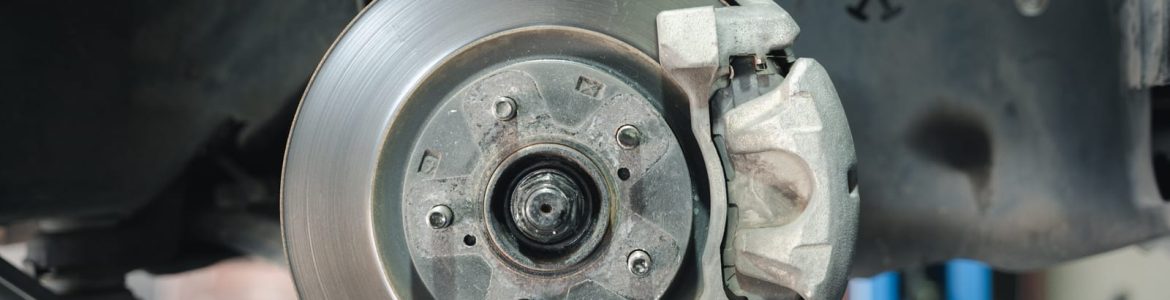
Your brakes are the most important safety system in your vehicle. They work hard every time you press the pedal. Over time, brake pads, rotors, and fluid wear down from use. Preventative maintenance keeps your braking system strong, improves performance, and extends its lifespan. Neglecting brake service can lead to longer stopping distances, noisy braking, and expensive repairs.
Preventative maintenance means checking brake components before they fail. It involves measuring pad thickness, inspecting rotors, and changing brake fluid. This proactive care helps keep your vehicle safe and minimizes repair costs.
Brakes do not fail suddenly unless they are ignored. Regular maintenance helps detect small issues before they become dangerous problems. According to AAA, your vehicle’s brakes are responsible for stopping over 4,000 pounds of metal moving at high speeds. Proper maintenance ensures your brakes respond when you need them most.
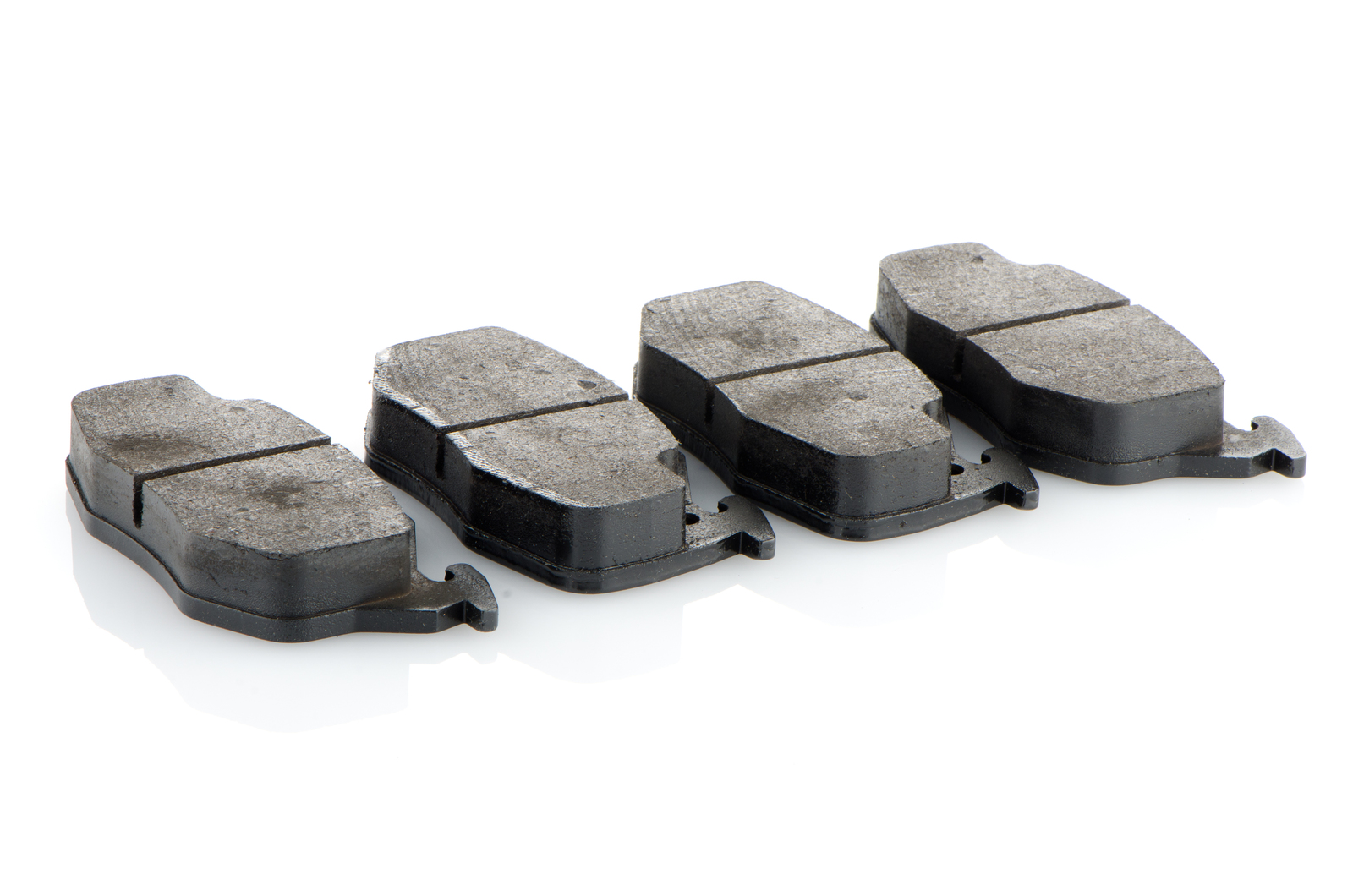
Brake pads press against the rotor to create friction, which slows your car. Pads wear down each time you brake. Once the pad material gets too thin, metal starts rubbing on metal, which damages the rotors and can cause complete brake failure.
Regular pad inspections help you identify when to replace them. Most pads last between 25,000 and 70,000 miles, depending on driving habits and road conditions.
Signs you need new brake pads include:
Replacing pads before they wear out saves money and prevents rotor damage.
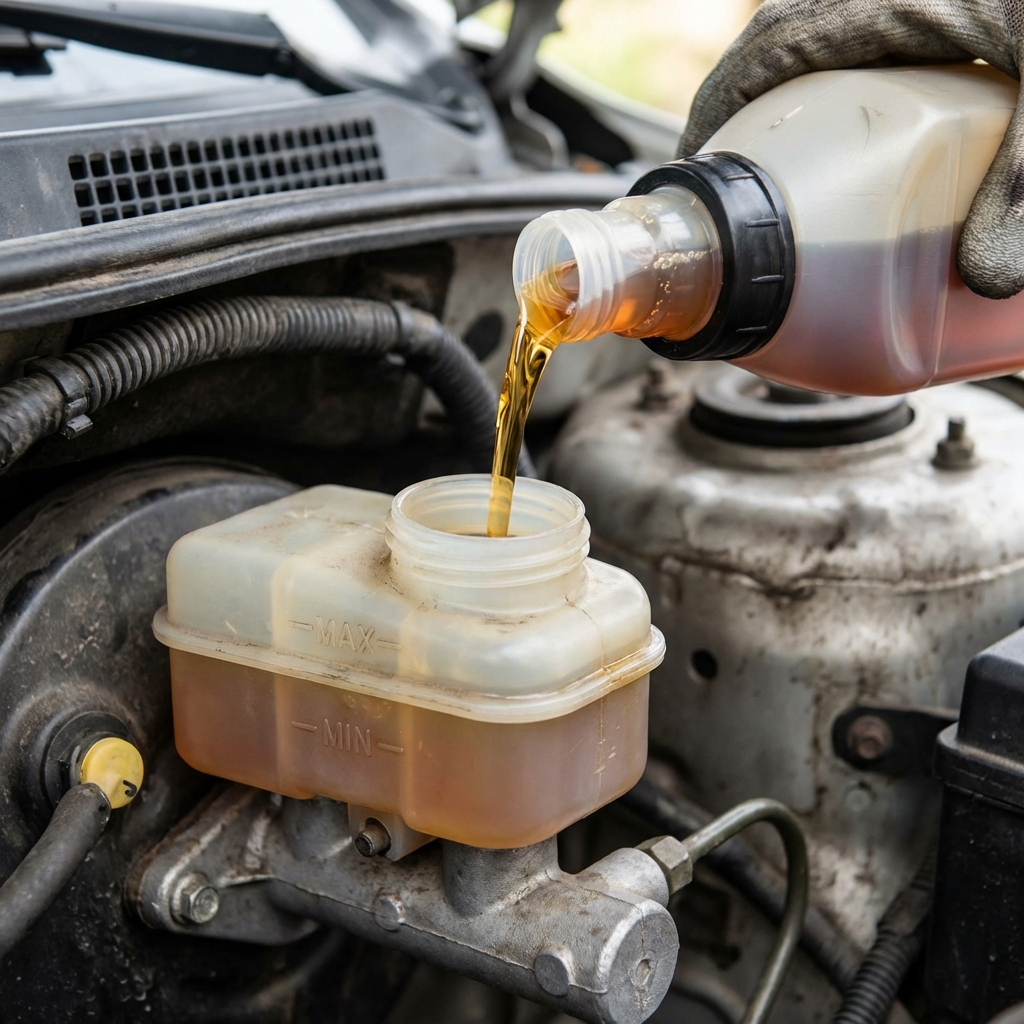
Brake fluid transfers the pressure from your foot to the brakes on each wheel. Over time, it absorbs moisture from the air. Moisture lowers its boiling point, weakening braking power and corroding brake lines.
Experts recommend replacing your brake fluid every two years or as directed by your manufacturer. Flushing the old fluid keeps your system clean and responsive.
Contaminated brake fluid causes:
A brake fluid flush at America 1st Automotive helps ensure consistent pressure and braking power.
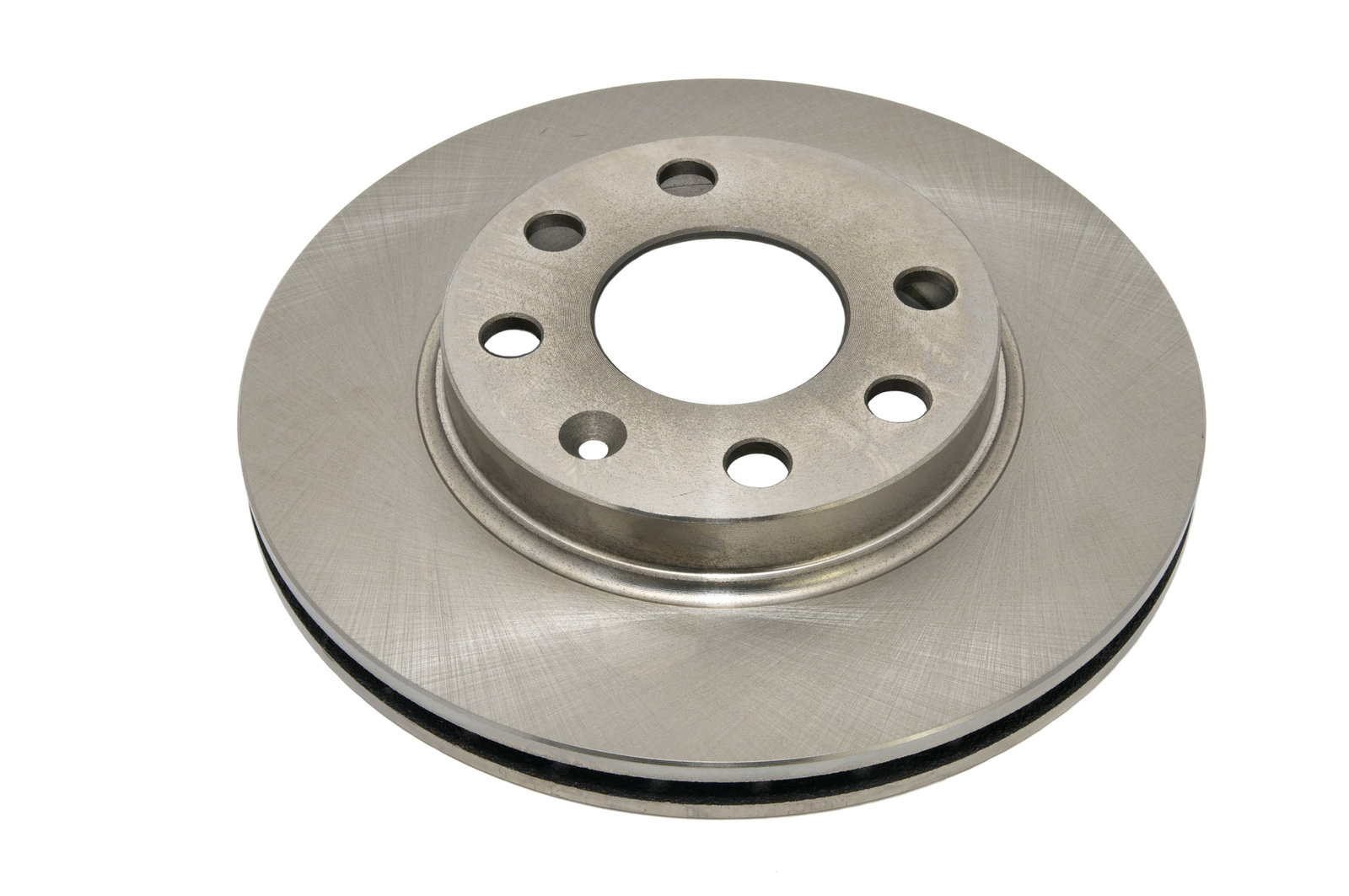
Rotors face constant contact and heat from the pads. Over time, they develop grooves or warping, reducing braking effectiveness. The vibrations you feel in the pedal often mean uneven or damaged rotors.
Machining or replacing rotors at the right time improves performance and safety. New brake pads on damaged rotors wear unevenly and fail sooner.
Rotor maintenance tips:
Brake lines and calipers must work together to transfer pressure evenly. If a leak, crack, or rust spot appears, the system loses pressure. A small leak can cause total braking failure. During a professional inspection, technicians check all connections, lines, and calipers to identify wear or corrosion early.
Routine brake service costs less than emergency repairs. Replacing pads and rotors on time prevents thousands of dollars in damage to hydraulic components. According to CarMD’s repair data, brake system repairs are among the top five most common reasons drivers visit auto shops.
Regular maintenance also saves gas. Poor braking performance forces the engine to work harder to compensate, especially when starting or stopping frequently. Clean brake components increase energy efficiency and reduce wear on tires and suspension.
To keep your brake system working properly:
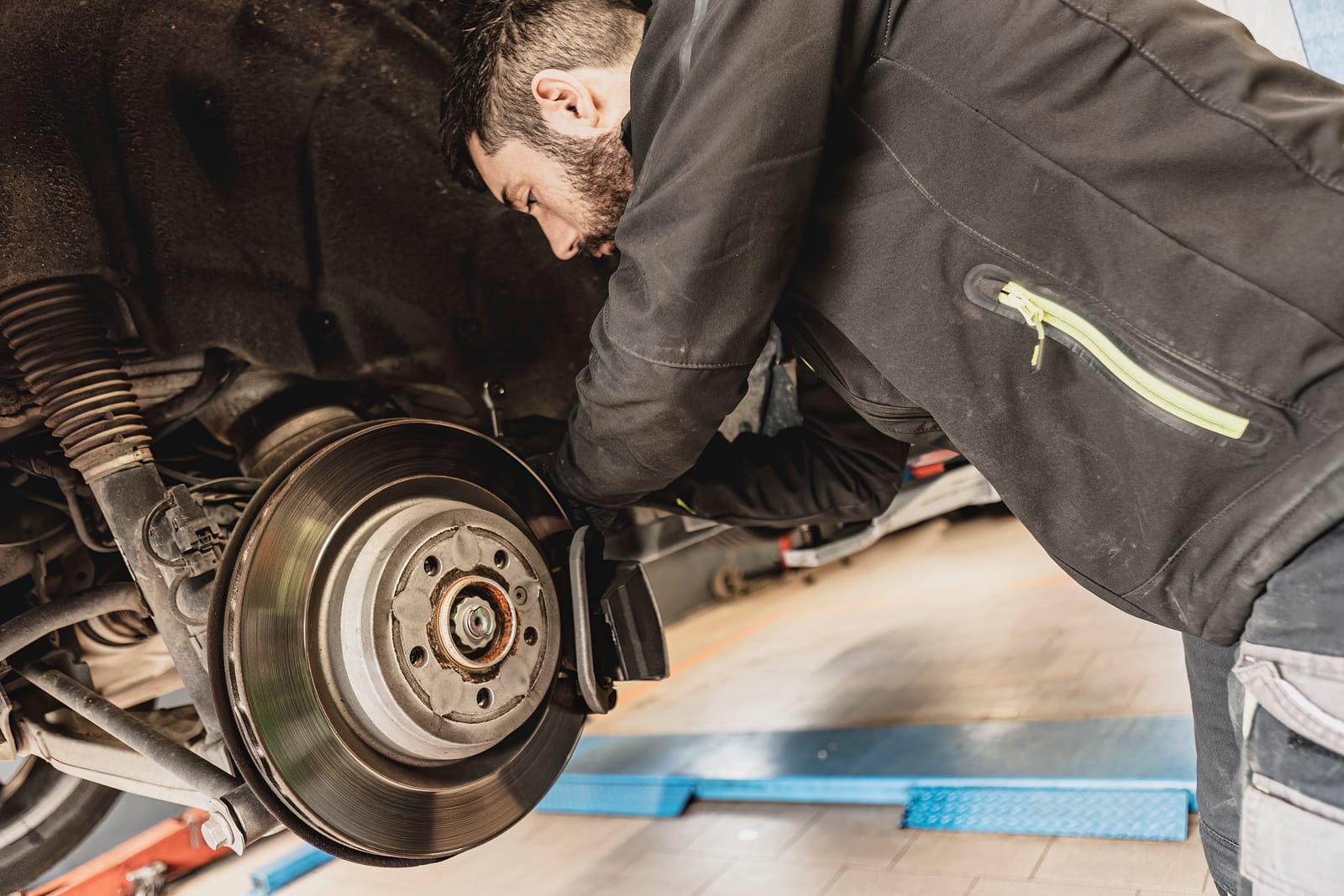
DIY maintenance is possible for small checks, but proper brake care needs expertise and special tools. Certified technicians use diagnostic tools to check fluid condition, pad thickness, rotor surfaces, and line integrity. America 1st Automotive offers professional brake inspections, pad replacements, fluid flushes, and rotor service using quality parts and trusted methods.
Professional brake maintenance keeps your car safer, smoother, and quieter on the road.
Call (540) 356-0656 or visit America 1st Automotive to schedule your brake inspection today!
Keep your car safe and stop with confidence. Schedule your brake inspection today with America 1st Automotive. Call (540) 356-0656 to book an appointment now
You should have your brakes inspected every six months or at each tire rotation. Frequent drivers should schedule inspections more often.
Common signs include squealing, grinding noises, or vibration in the brake pedal. You may also notice longer stopping distances.
Brake fluid absorbs moisture, which reduces braking efficiency and causes corrosion. Replacing it every two years improves safety and performance.
Technicians check pad thickness, rotor condition, calipers, brake lines, and fluid levels for wear or damage.
Visit America 1st Automotive, your trusted local shop for brake inspections, repairs, and fluid replacement. Call (540) 356-0656 or visit america1stautomotive.com.
You are leaving the America 1st Automotive website. The following content is not ours.