We are your one-stop shop for all your auto repair needs. Our experienced technicians are here to provide top-notch service and get you back on the road in no time. Contact us today to schedule an appointment.

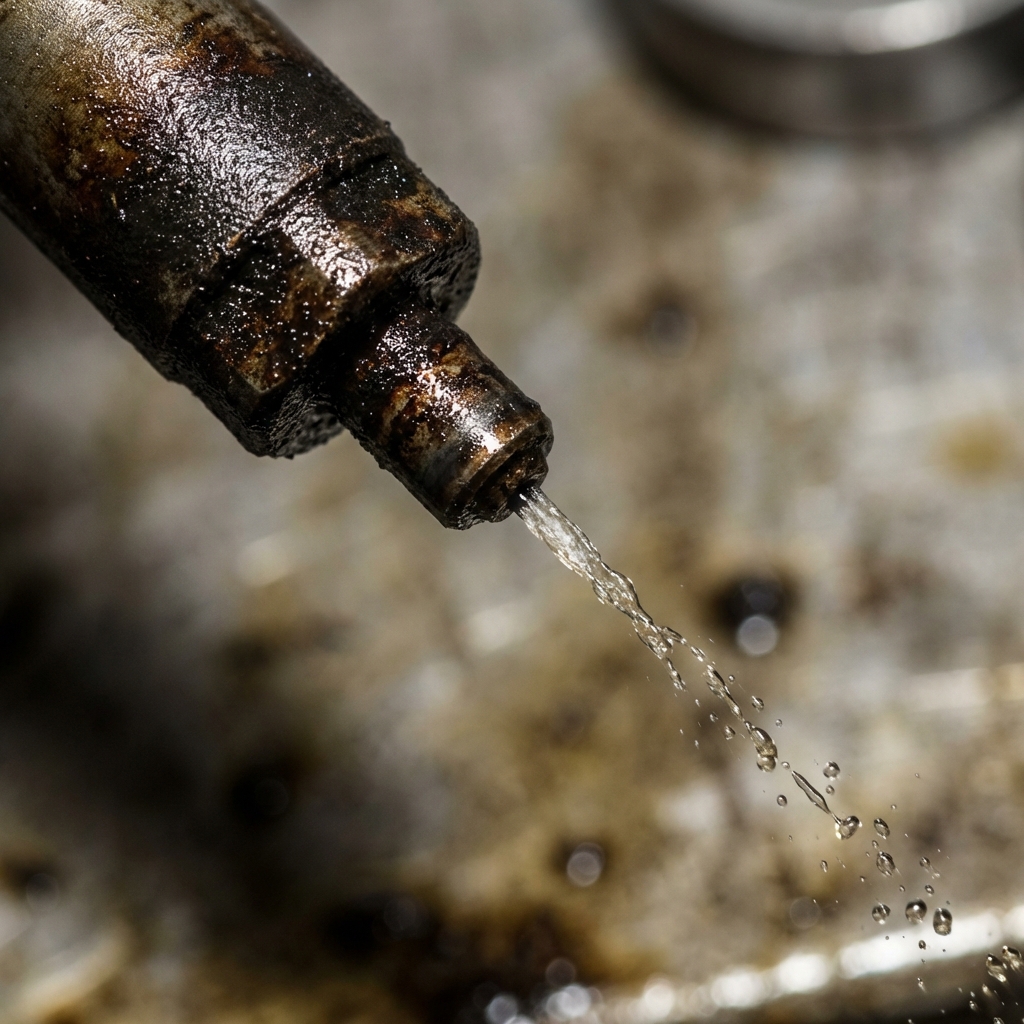
Failing to maintain has obvious, measurable costs:
Higher repair bills – An $89 oil change prevents engine wear. Without fresh oil, parts grind. Sludge forms. Engine repair costs can reach thousands.
Lower fuel economy – Worn-out spark plugs and dirty air filters reduce efficiency. Basic problems can dramatically boost fuel economy by as much as 4 percent, according to the U.S. Department of Energy.
Unexpected breakdowns – It’s worn belts or weak batteries that give no notice before failure. You get stuck on the road. You pay for towing and emergency repairs.
Shorter vehicle life – Regular service extends engine life. Neglect shortens it. You replace your vehicle sooner.
Safety risks – Old brake pads can increase stopping distance. Low tire pressure reduces control. Those risks endanger you and others on the road.
Drivers often delay these services:
Each item plays a role in system health. Skipping one affects others.
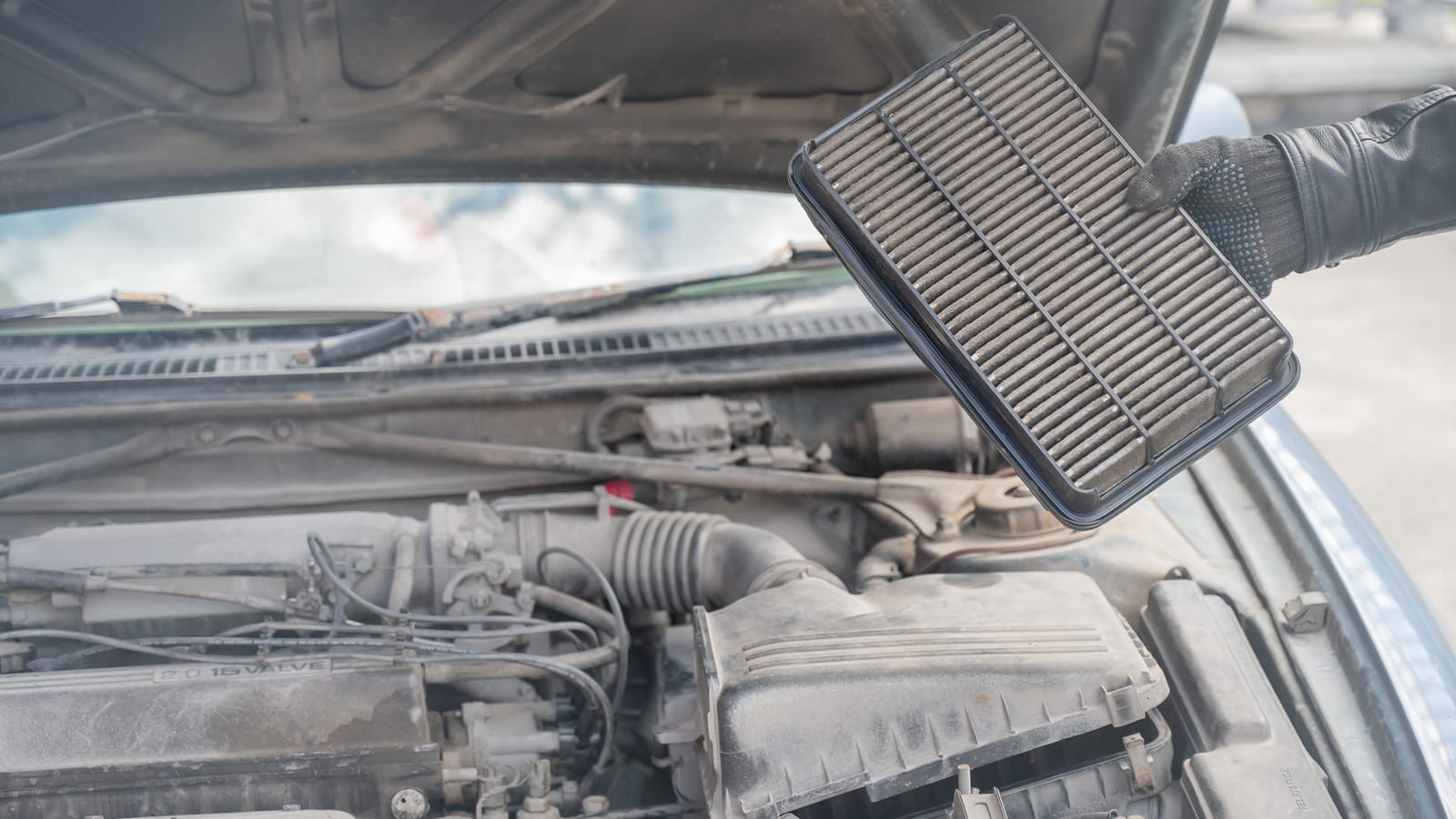
An engine relies on a precise mix of air, fuel, and spark. When one part of the system is off, performance drops. You might notice slow acceleration or rough idling. After a tune-up, your car starts faster, idles more smoothly, and accelerates more quickly when you press the pedal.
A proper tune-up reduces harmful emissions. Replacing worn components helps the engine burn fuel more cleanly, reducing carbon monoxide and nitrogen oxide emissions. Well-maintained engines also protect your catalytic converter, which can cost over $1,000 to replace if damaged.
Neglecting small issues leads to bigger problems. Worn spark plugs stress ignition coils. A clogged fuel filter makes your fuel pump work harder. When one part fails, others follow. Regular tune-ups help catch early signs before they turn into large repair bills.
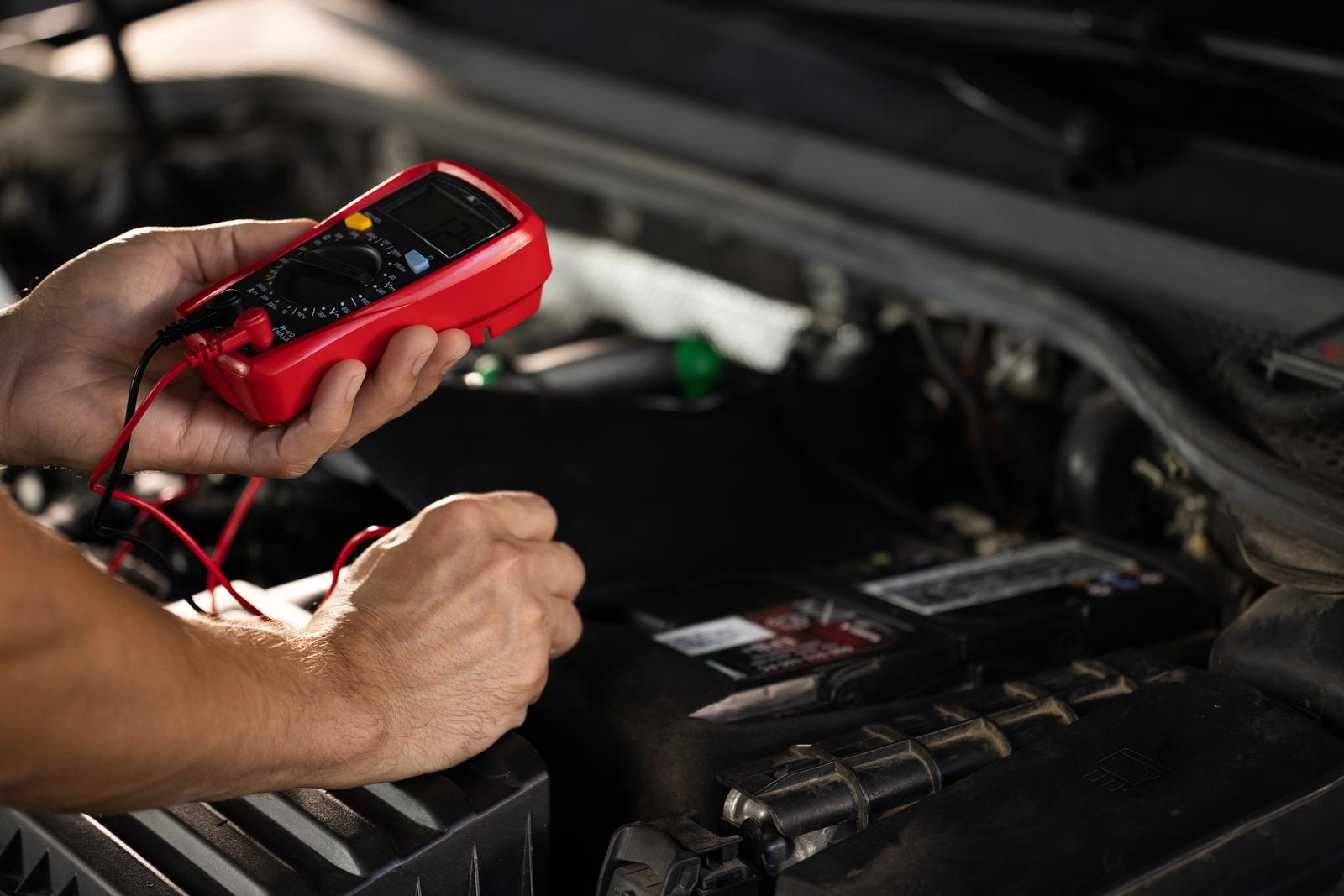
Extreme weather stresses your engine, battery, and belts. A tune-up prepares your car for hot summers and cold winters. Mechanics inspect belts, hoses, and fluids that often fail due to temperature changes.
Older vehicles with non-electronic ignitions need tune-ups every 10,000 to 12,000 miles. Most modern cars require them every 25,000 to 100,000 miles, depending on the manufacturer. Always check your owner’s manual or contact a professional, such as America 1st Automotive, for guidance.
Ignoring these warnings shortens engine life. Address them early to keep your vehicle safe and dependable.

Professional technicians use diagnostic tools to detect performance issues that drivers miss. They reset your vehicle’s systems to restore peak performance. With America 1st Automotive, your service is performed by experts who know how to keep your car reliable.
You gain peace of mind and better performance with regular tune-ups. Investing in maintenance ensures your car runs efficiently for years.
Keep your car running strong with a professional tune-up service from America 1st Automotive. Schedule your appointment today at America 1st Automotive or call (540) 356-0656 for expert service and trusted care
A proper tune up includes replacing spark plugs, checking filters, inspecting the ignition system, and testing engine performance.
Most vehicles need a tune up every 25,000 to 100,000 miles, depending on manufacturer recommendations.
You might notice poor fuel economy, rough idling, misfires, or your check engine light turning on.
Yes. A clean fuel system and new spark plugs help your engine burn fuel more efficiently.
You can schedule a professional tune up service at America 1st Automotive in Fredericksburg, VA. Visit their site or call (540) 356-0656.
You are leaving the America 1st Automotive website. The following content is not ours.