
We are your one-stop shop for all your auto repair needs. Our experienced technicians are here to provide top-notch service and get you back on the road in no time. Contact us today to schedule an appointment.
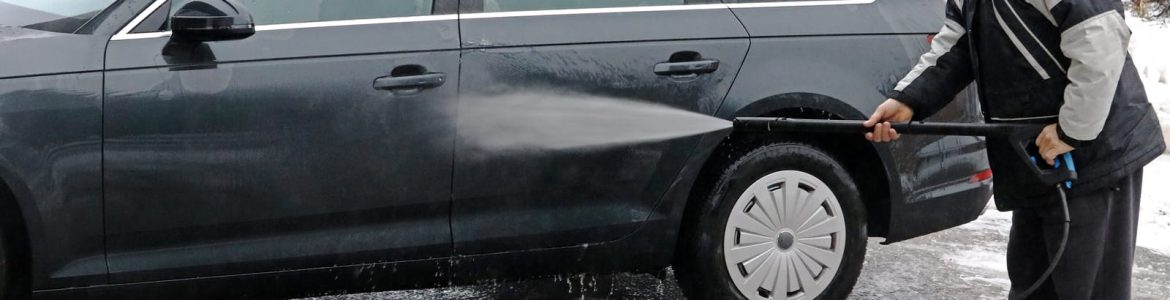
Winter does not just leave dirt. Your car takes a beating from road salt, cold starts, and rough roads. Spring is the best time of year to have your vehicle repaired after winter damage. A more focused engine maintenance routine can lead to a longer-lasting machine, improved safety, and lower repair costs.
At America 1st Automotive, drivers keep their cars in top shape with simple seasonal care. Here is what your spring cleaning checklist should include.
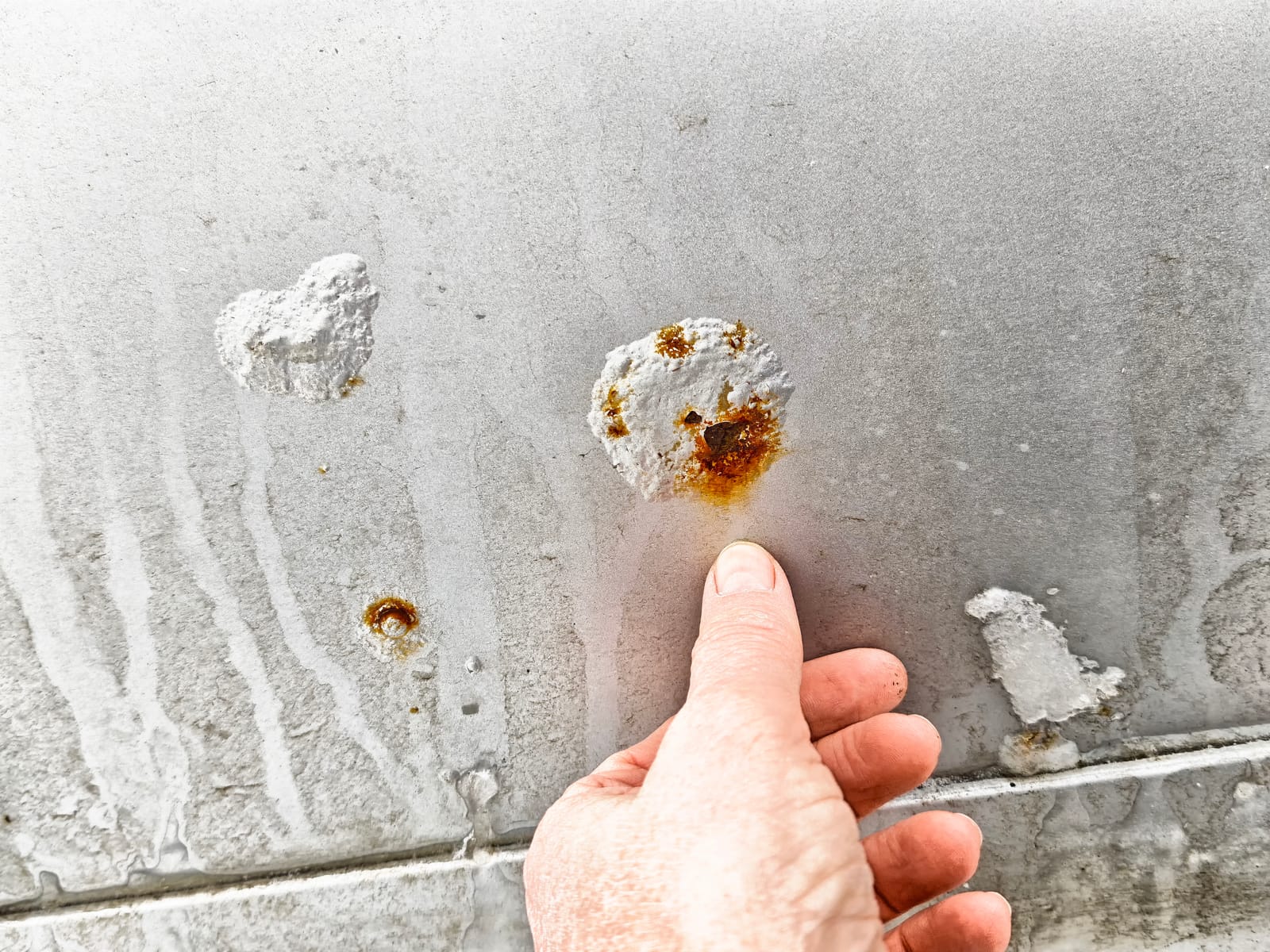
Road salt causes rust. The problem is that on metal parts like the frame, brake lines, and exhaust, rust spreads quickly.
A good scrub, not a quick rinse.
Focus on:
According to the Federal Highway Administration, road salt accelerates corrosion on exposed metal. Regular washing reduces long-term damage.
Dry the car after washing. Water that remains results in spotting and corrosion.
Cold weather lowers tire pressure. Potholes also cause tires to go out of balance.
Check:
Tire pressure
Tread depth
Sidewall cracks
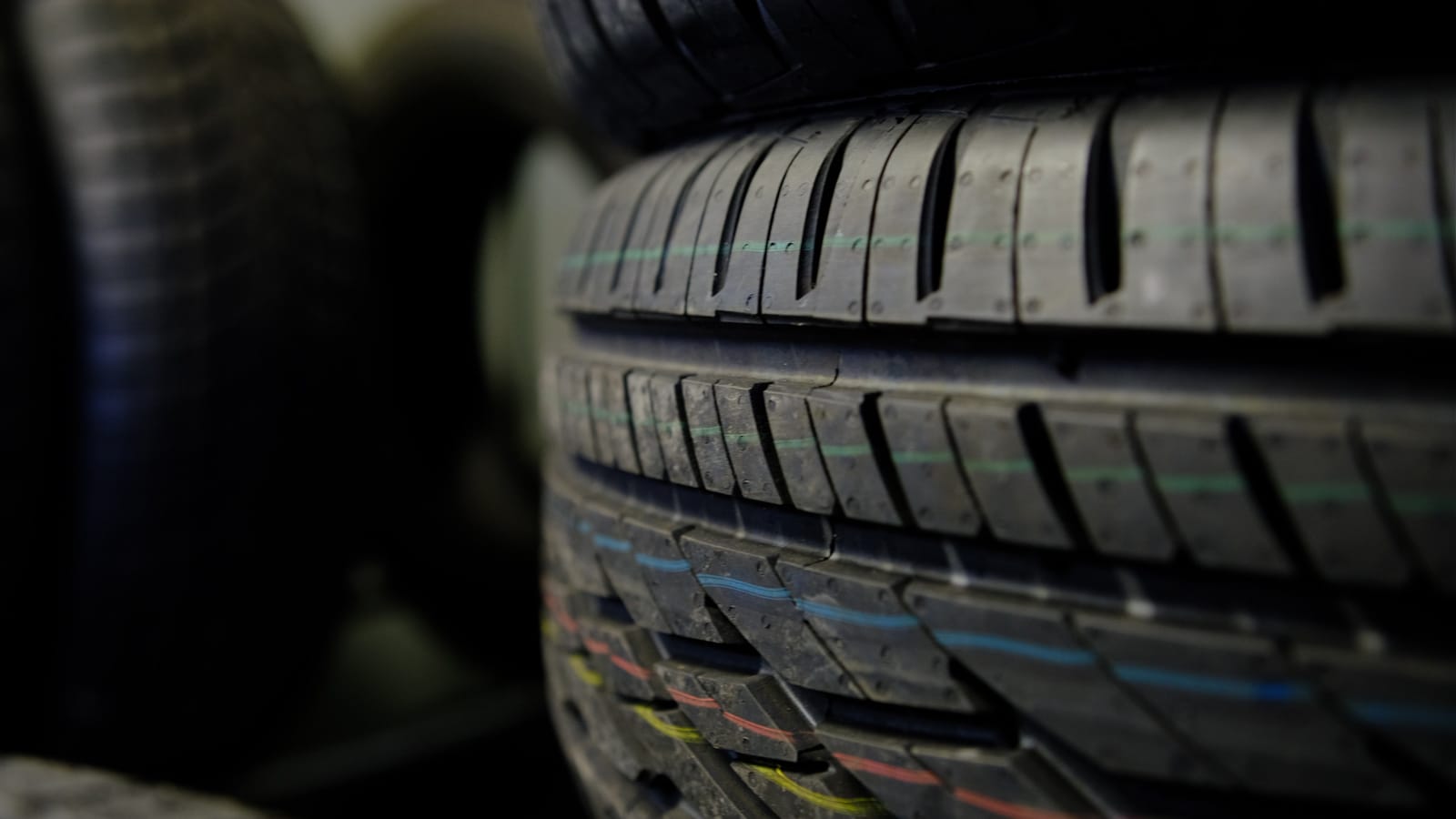
Use the penny test. Place a penny in the tread. Replace that tire if you can see the top of Lincoln’s head.
Rotate tires every 5,000 to 7,500 miles. This allows for even wear and maximizes tire life.
Also inspect alignment. Schedule a check if your car pulls to one side
Driving in winter wears out your braking system more heavily. Pads and rotors are worn down by moisture and salt.
Watch for:
Depending on your driving habits, brake pads usually last 25,000 to around 65,000 miles. If you notice something changing, have it checked!
Wiper blades wear out fast in winter. Ice and debris damage the rubber edge.
Replace blades if you see:
Refill the windshield washer fluid. Use a formula designed for spring and summer.
Check all fluids:
The Car Care Council states that fluid neglect leads to many avoidable repairs. Clean fluids keep systems working as designed.
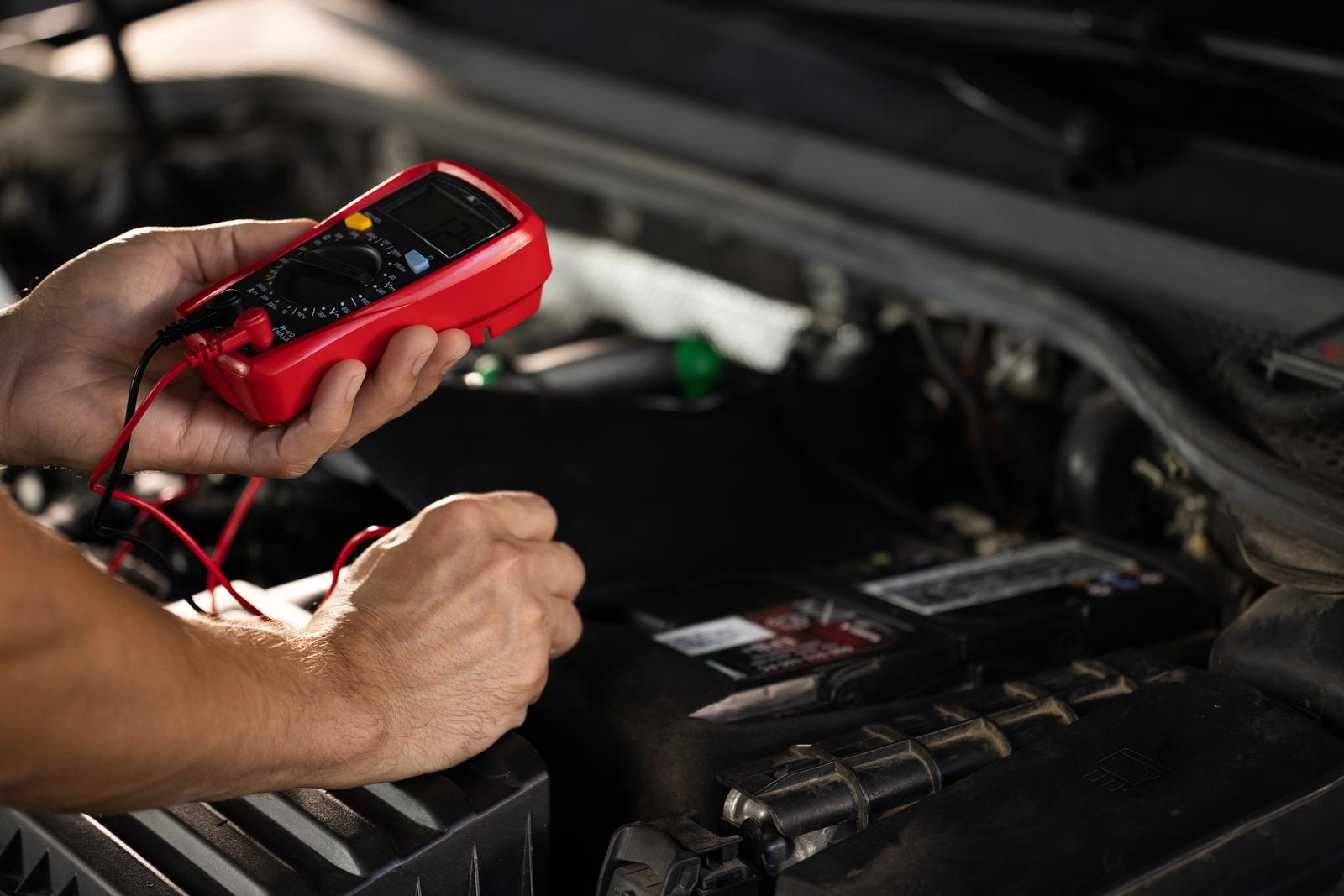
Cold weather drains battery power. Spring is the right time to check via charge/discharge and connections.
Look for:
Most car batteries last three to five years. If your battery is near that range, testing helps avoid unexpected failure.
Clean terminals with a baking soda solution if corrosion appears.
The engine air filter traps dirt and debris. Winter conditions clog it faster.
A clogged filter can reduce airflow, resulting in lower fuel economy.
Replace:
A clean cabin filter improves air quality inside your car. This matters during pollen season.
Temperature changes stress rubber components. Breakdowns are caused by cracks or leaks.
Check for:
A failed belt stops engine components like the alternator. A damaged hose leads to overheating.
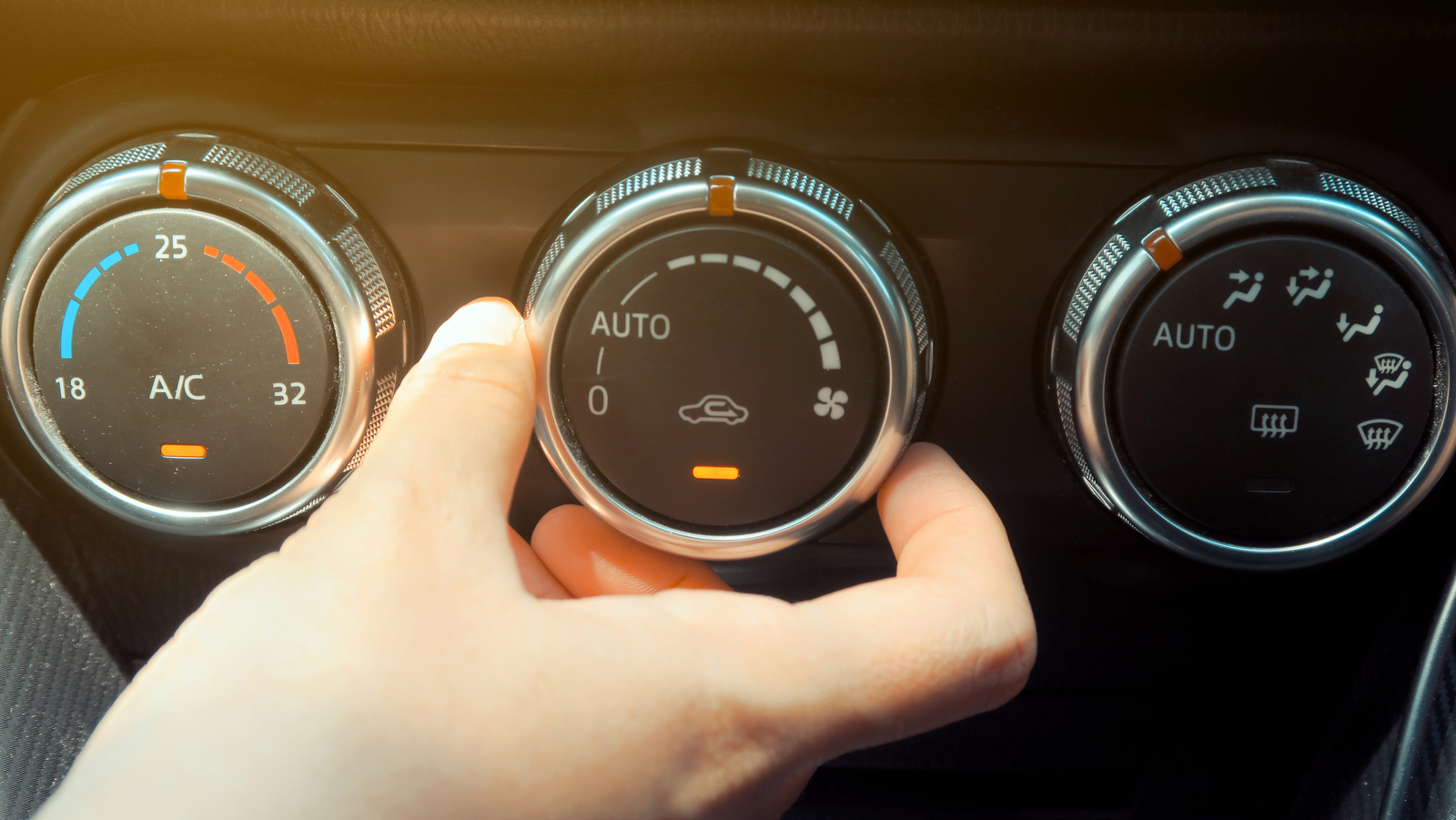
You will rely on your AC soon. Test it before hot weather arrives.
Turn on the system and check:
Poor cooling may signal low refrigerant or a leak. Addressing this early prevents bigger repairs later.
Spring cleaning includes the inside of your car.
Steps:
Interior cleaning removes allergens like pollen and dust. Clean vents improve airflow and reduce odors.
Long winter nights mean heavy use of lights. Bulbs may burn out without notice.
Check:
Replace any dim or non-working bulbs. Proper lighting improves safety for you and others.
Stay ahead of repairs and keep your car running strong. Schedule your spring maintenance service with America 1st Automotive today.
Schedule your appointment today at America 1st Automotive or call (540) 356-0656 for expert service and trusted care
You should inspect your vehicle at the start of spring each year. Follow your service schedule for fluids and parts.
Focus on tires, brakes, and fluids first. These impact safety and performance.
Road salt causes rust. Cleaning the undercarriage removes salt and protects metal parts.
Use the tread depth test. Replace tires if tread is low or uneven.
Small issues grow into expensive repairs. You also risk breakdowns and reduced safety.
You are leaving the America 1st Automotive website. The following content is not ours.