We are your one-stop shop for all your auto repair needs. Our experienced technicians are here to provide top-notch service and get you back on the road in no time. Contact us today to schedule an appointment.

Your car needs more than an oil change to stay reliable. A complete vehicle service checks every major system, catches small problems early, and keeps you safe on the road. Fredericksburg and Stafford County drivers who understand what a full service includes get more value from every appointment and avoid surprise breakdowns down the road.
Below is a breakdown of what a thorough vehicle service covers, so you know what to expect and what to ask for at your next appointment.
A complete service starts with fresh oil and a new oil filter. Old oil breaks down over time, loses its ability to lubricate engine parts, and allows sludge to build up inside your engine. Most vehicles need this service every 5,000 to 7,500 miles, though your owner’s manual gives the exact interval for your make and model.
A thorough technician also checks your oil for metal particles or unusual color, which signals a deeper engine problem worth addressing.
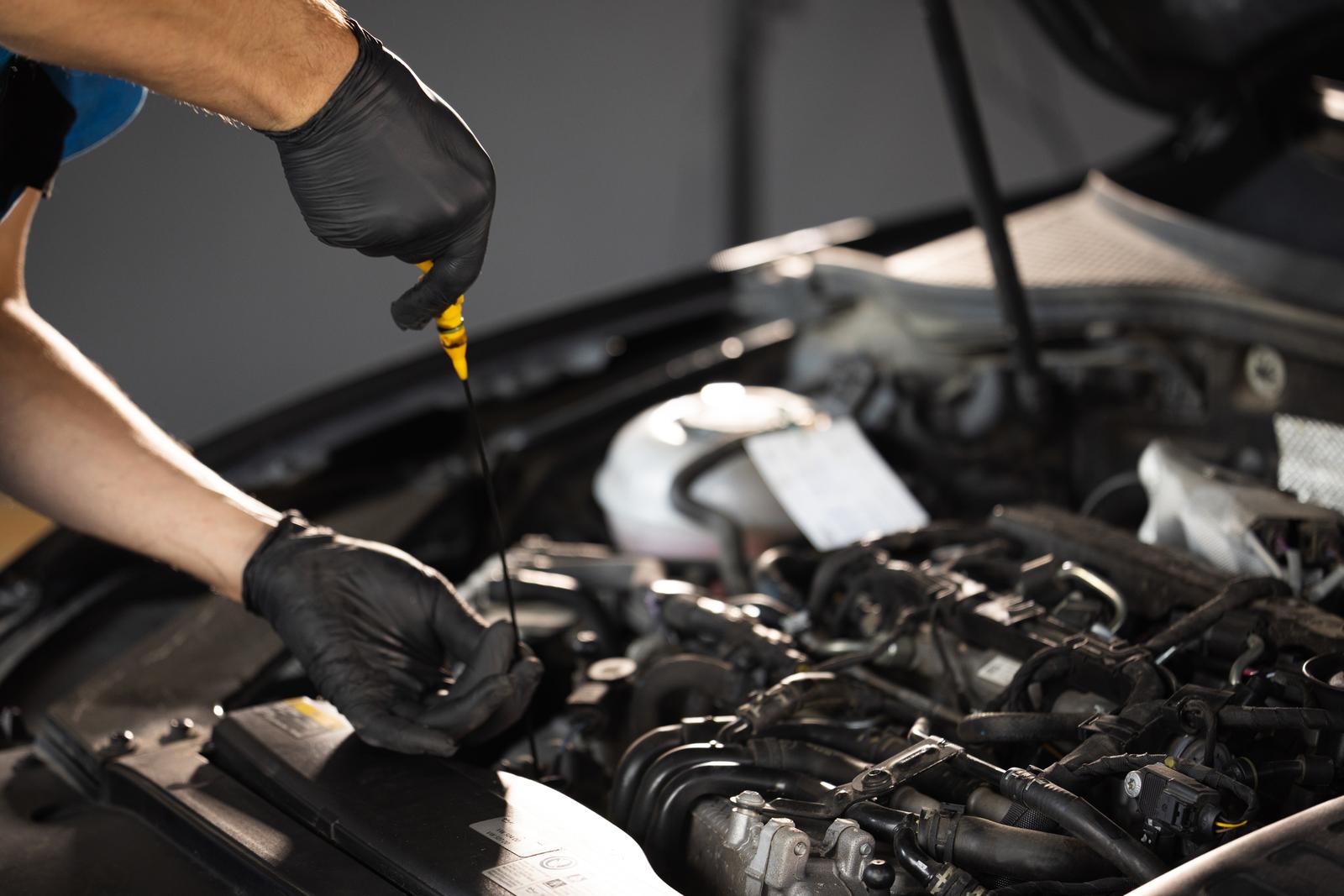
Your vehicle runs on more than just motor oil. A complete service checks the level and condition of:
Low or dirty fluid often signals a leak or a part nearing the end of its lifespan. Catching this early saves you from a bigger repair later.
Brakes wear down gradually, and many drivers don’t notice the change until the stopping distance increases. A complete service includes a full brake inspection covering:
Stafford County’s mix of highway driving and stop-and-go traffic near Fredericksburg wears down brake components faster than steady highway miles alone. Regular brake inspections catch worn pads before they damage your rotors.
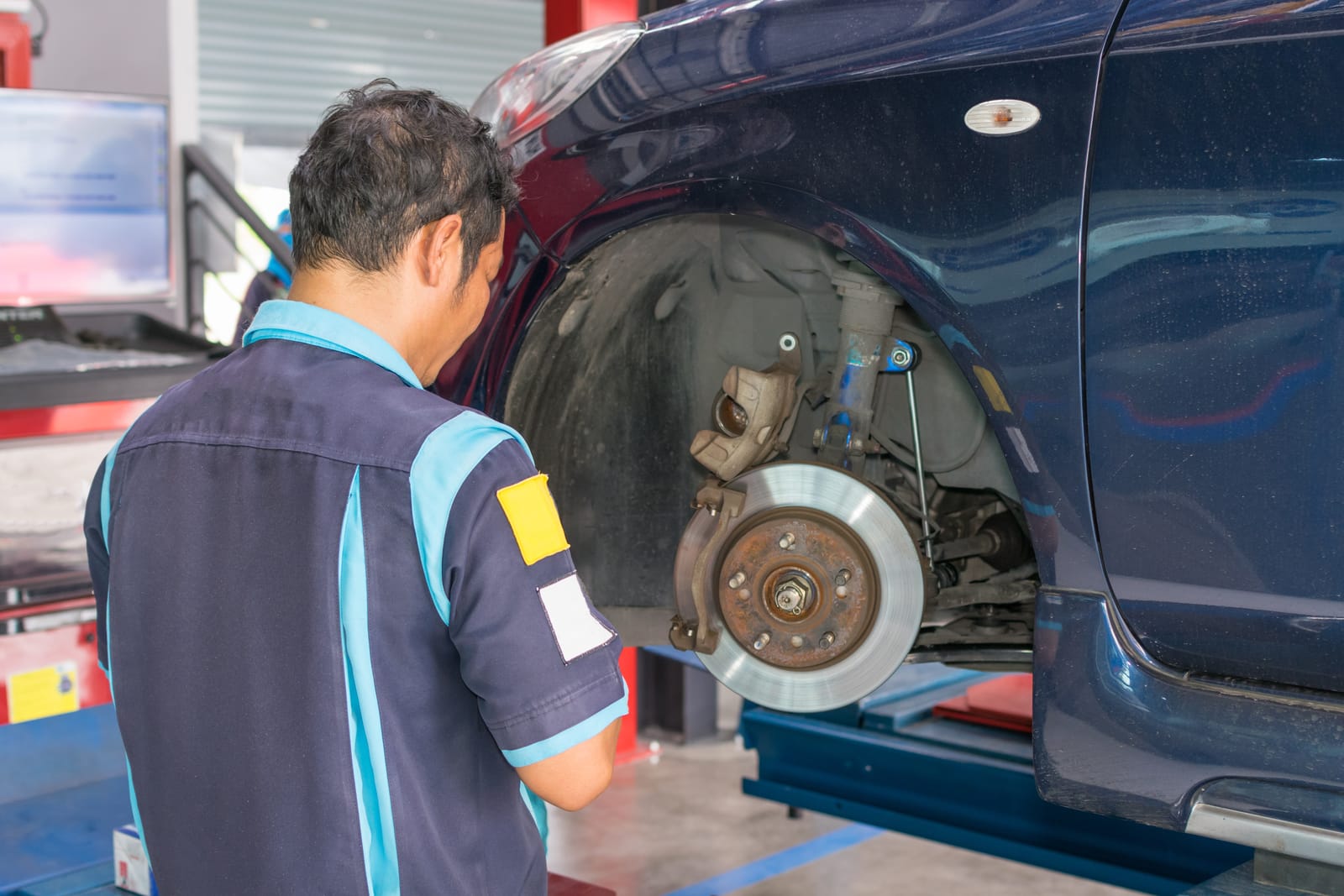
Your tires connect your vehicle to the road, and uneven wear affects handling, braking distance, and fuel economy. A complete service includes:
Rotating your tires every 5,000 to 7,500 miles extends tire life and helps you catch alignment issues before they cause premature wear.
A weak battery causes more roadside breakdowns than most drivers expect, especially during Virginia’s cold winter mornings. A complete service test:
Most batteries last three to five years, depending on driving habits and climate exposure. A technician catches a failing battery before it leaves you stranded in a parking lot or driveway.
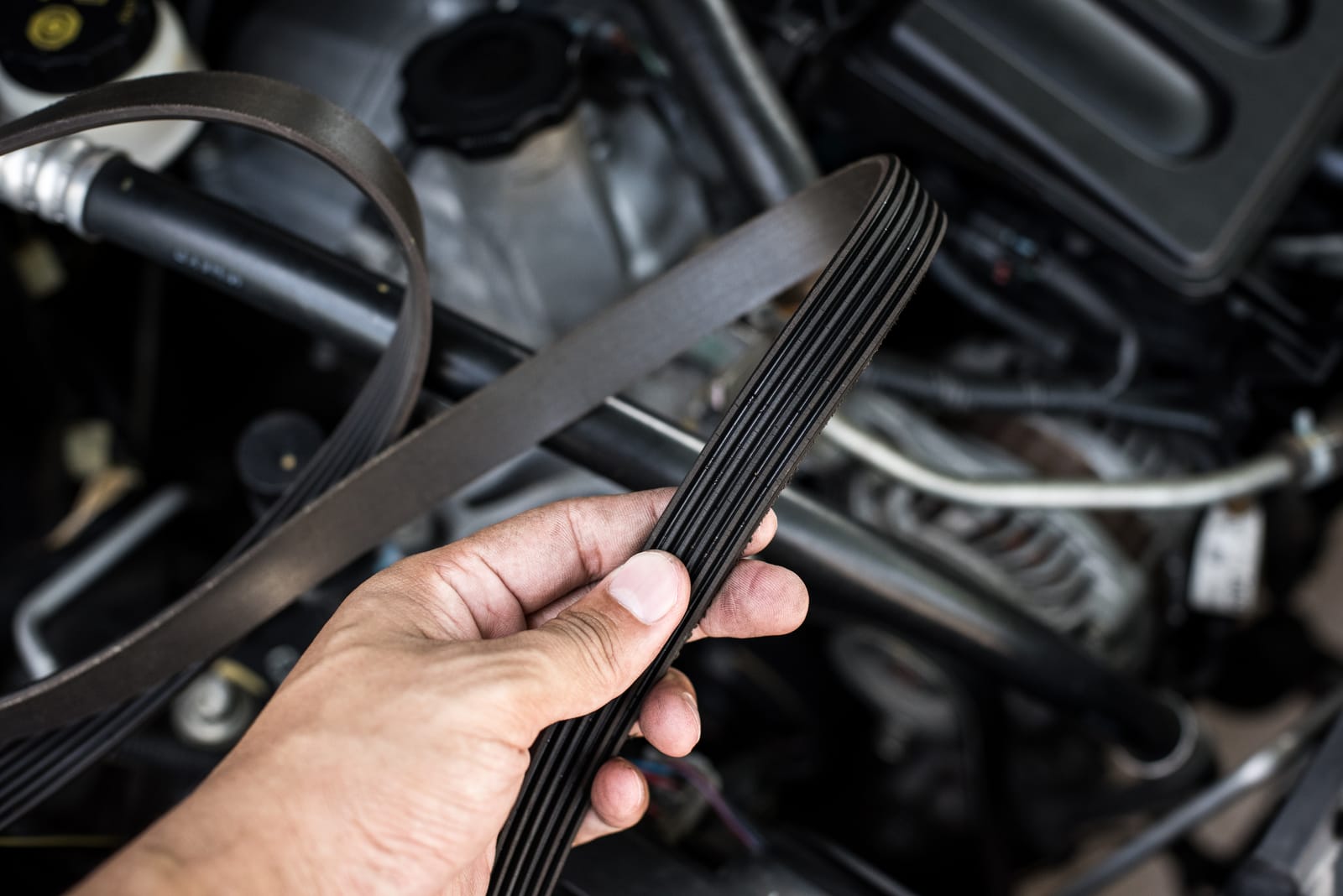
Belts and hoses control critical functions like engine cooling and accessory power. A complete service checks for:
A failed belt or hose often leaves you stranded because these parts affect your engine’s cooling system and accessory power simultaneously.
Your engine air filter keeps debris out of your engine, while your cabin air filter keeps dust and pollen out of your vehicle’s interior. A complete service checks both filters and replaces them when they are dirty. Most engine air filters last 12,000 to 15,000 miles, while cabin air filters often need replacement every 15,000 to 25,000 miles, depending on driving conditions.
A complete service checks your exhaust system for leaks, rust, and damage. A failing exhaust system affects fuel economy, increases emissions, and creates a safety risk from carbon monoxide entering your cabin.
Beyond mechanical components, a thorough service includes checking your lights, wipers, and mirrors. Working headlights, taillights, and turn signals keep you visible to other drivers on Fredericksburg roads, especially during early morning or evening commutes.
A complete vehicle service covers each of these systems, giving you a clear picture of your car’s condition and what to expect before your next appointment. Fredericksburg and Stafford County drivers who schedule regular complete services catch small problems early and avoid costly repairs later.
Schedule your appointment today at America 1st Automotive or call (540) 356-0656 for expert service and trusted care
Skip the guesswork on what your car actually needs. Schedule a complete vehicle service with America 1st Automotive in Fredericksburg today. Our Stafford County technicians inspect every major system in a single visit and provide a clear picture of your vehicle’s condition.
A complete service covers oil and filter changes, fluid checks, brake inspection, tire rotation, battery testing, belts and hoses, air filters, suspension checks, exhaust inspection, and a visual safety check of lights and wipers.
Most vehicles benefit from a complete service every 5,000 to 7,500 miles, aligned with your oil change interval. Check your owner’s manual for the exact schedule for your make and model.
Yes. A thorough service checks tread depth, tire pressure, and wear patterns, then rotates your tires to spread wear evenly across all four.
Most batteries last three to five years, depending on driving habits and climate exposure. A complete service tests voltage and charging capacity to catch a weakening battery early.
Belts and hoses control engine cooling and accessory power. A cracked belt or leaking hose often causes a breakdown, so technicians check for wear before failure happens.
You are leaving the America 1st Automotive website. The following content is not ours.