

We are your one-stop shop for all your auto repair needs. Our experienced technicians are here to provide top-notch service and get you back on the road in no time. Contact us today to schedule an appointment.

Winter mornings bring frost, frozen door locks, and sometimes a check engine light glowing on your dash. This sight worries plenty of drivers across Stafford County and Fredericksburg, Virginia. Before you assume the worst, know this: cold weather is one of the most common seasonal triggers for check engine lights. Your car’s computer watches dozens of sensors, and cold air changes how fuel, oxygen, and fluids behave inside your engine.
This guide breaks down why the check engine light turns on during cold weather, which ones need quick attention, and which ones you can monitor for a few days before booking a service visit.
Your engine relies on sensors that measure oxygen levels, air temperature, fuel mixture, and coolant temperature. Cold air is denser than warm air, so your engine’s computer, called the ECU, adjusts the fuel-to-air ratio to compensate. The ECU expects cold readings in winter and won’t flag a fault code on a healthy system — but cold weather puts extra stress on sensors that are already weak, and that’s when problems that went unnoticed in summer start setting codes.
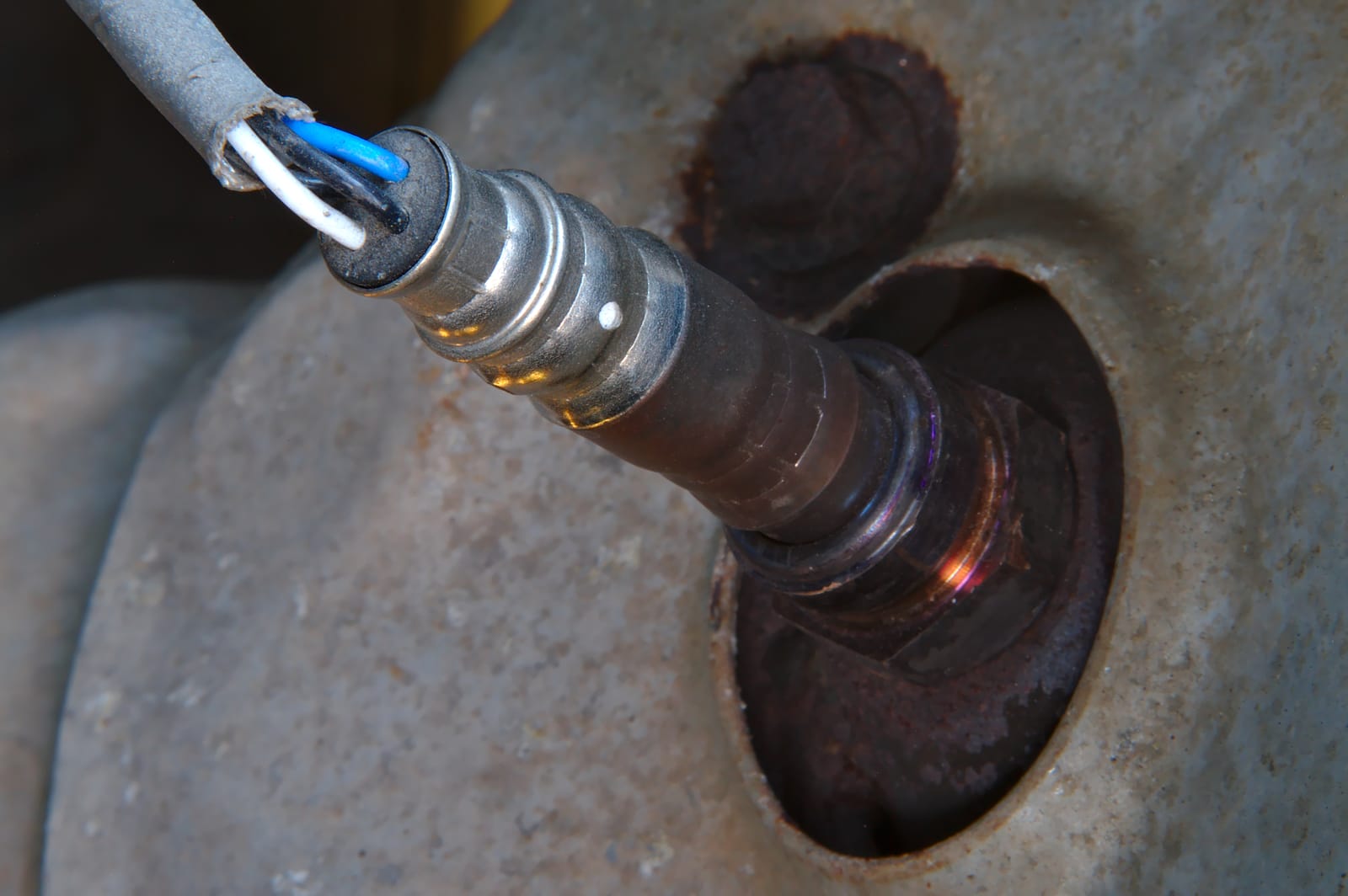
The oxygen sensor, for example, needs heat to work correctly — around 600 degrees Fahrenheit. Modern sensors have a built-in heater to get there quickly, and the ECU ignores the sensor’s readings until it’s up to temperature. But a heater circuit that’s starting to fail takes longer in the cold, and if the sensor doesn’t come online within the window the ECU expects, it sets a heater circuit fault code. The cold didn’t break anything — it revealed a heater that was already on its way out.
Mass airflow sensors face a similar issue. Dirt or moisture buildup that caused no trouble in warm weather can skew readings enough in dense winter air to push the sensor outside the range the ECU expects. A sensor that worked fine in summer might trigger a fault code once the temperature drops — not because cold causes false alarms, but because it’s less forgiving of a dirty or aging sensor.
Several specific issues tend to show up more often as temperatures fall. Knowing these helps you decide whether to worry or wait.
Some cold-related codes, like a loose gas cap, will clear themselves after a few normal drives once the issue is fixed. But a light that stays on is telling you something real. Some signs mean you need a mechanic right away.
Start by checking your gas cap. Tighten it, then drive for a day or two to see if the light resets on its own. Check your oil level and battery connections next, since both weaken in cold weather. If the light stays on, a mechanic can pull the diagnostic trouble code with an OBD-II scanner. This code narrows down the exact sensor or system causing the issue, saving you time and guesswork.
Drivers in Stafford and Fredericksburg deal with sharp temperature swings each winter, from freezing mornings to milder afternoons. These swings stress your vehicle’s systems more than steady cold weather does, so seasonal check engine lights often appear between November and February.

A check engine light in cold weather doesn’t always mean a costly repair, but ignoring it is a gamble you shouldn’t take. Schedule a diagnostic visit with America 1st Automotive today, and let our technicians pinpoint the exact cause before winter makes the problem worse. Book your appointment online or call our Fredericksburg, Virginia shop to get your vehicle ready for the season ahead.
Schedule your appointment today at America 1st Automotive or call (540) 356-0656 for expert service and trusted care
Cold air changes how your engine’s sensors read fuel, oxygen, and temperature levels. A sensor that reads fine in warm weather can send an unusual signal once temperatures drop, which triggers the light even without a serious problem.
A steady light usually means you can drive carefully to your next stop or a repair shop. A flashing light means you should stop and call a mechanic right away, since this often signals an engine misfire.
Yes. Cold weather causes gas cap seals to shrink or crack, which lets fuel vapor escape. This triggers an evaporative emissions fault, one of the most common winter causes.
Cold weather reduces battery power significantly, sometimes by half at freezing temperatures. Low voltage confuses onboard sensors and can trigger a false check engine light warning.
Sometimes, yes. Minor faults linked to temporary sensor readings often clear after a few warm drive cycles. If the light stays on for several days, book a diagnostic appointment.
You are leaving the America 1st Automotive website. The following content is not ours.