
We are your one-stop shop for all your auto repair needs. Our experienced technicians are here to provide top-notch service and get you back on the road in no time. Contact us today to schedule an appointment.
Winter weather is hard on vehicles. Cold temperatures change how your engine oil flows and how efficiently your engine performs. If you skip your oil change during winter, you expose your car to unnecessary wear and damage. Keeping up with this maintenance protects your engine, improves fuel efficiency, and helps avoid costly repairs.
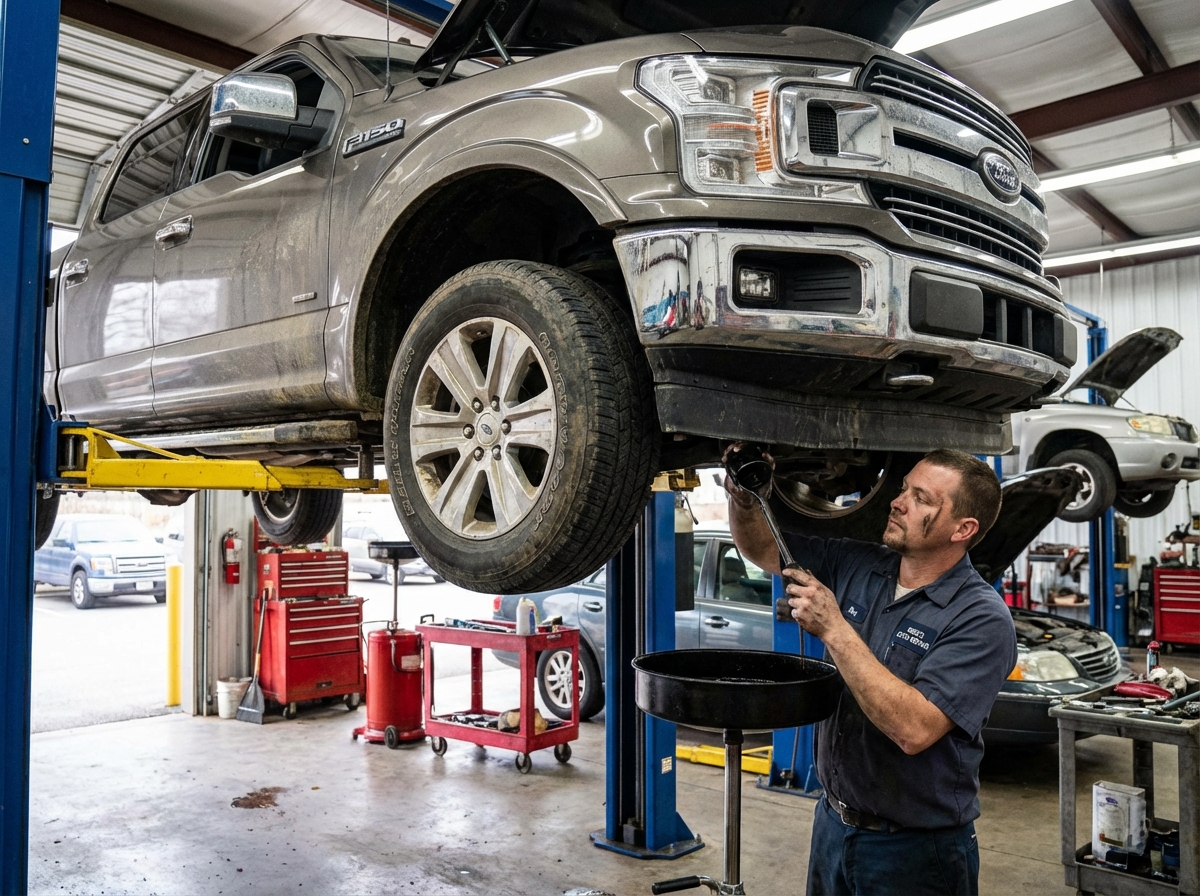
Oil lubricates your engine’s moving parts. In cold weather, oil thickens. When oil becomes thicker, it flows slower and takes longer to reach every part of the engine.
Dirty oil worsens this problem. Sludge and debris restrict oil flow, which can lead to increased friction, metal-on-metal contact, and eventual engine damage. Fresh oil keeps your engine clean and moving smoothly despite freezing temperatures.
Cold starts demand more from your car. When temperatures drop, your engine needs more power to start and reach its normal operating temperature. If your oil is old, degraded, or low, your engine must work harder.
This added stress increases the risk of wear on your bearings, pistons, and cylinders. Frequent cold starts with dirty oil can shorten your engine’s lifespan.
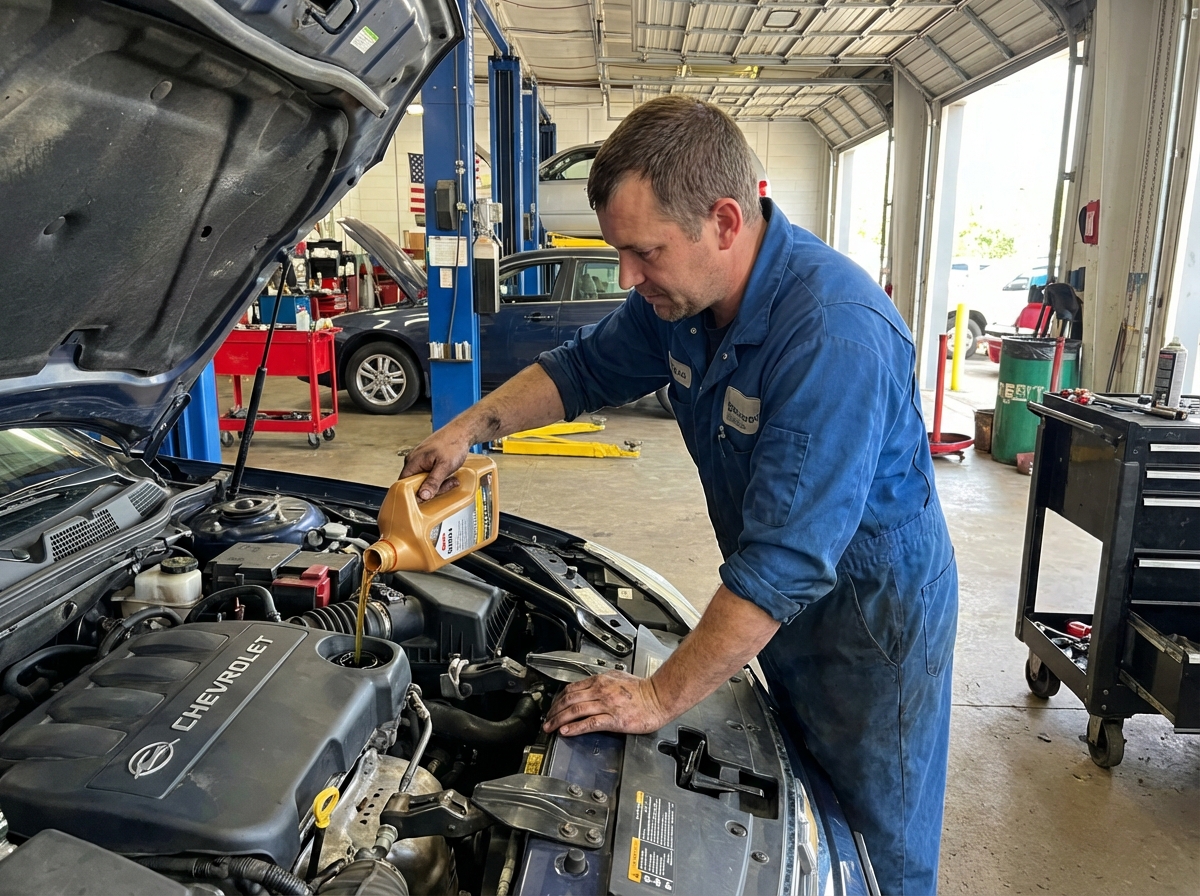
During winter, condensation builds up inside your engine. Water and moisture mix with old oil, creating sludge. This sludge reduces lubrication and thickens oil even more.
Regular oil changes remove these harmful contaminants. Clean oil keeps moisture from turning into sludge and prevents rust formation on internal engine parts.
Cold engines burn more fuel. Poor lubrication from old oil makes things worse. Your engine uses more energy to move thicker oil through its system, which leads to higher fuel consumption.
For example, according to the U.S. Department of Energy, fuel economy can drop by as much as 12% during cold weather. Clean, high-quality oil helps your engine run efficiently and reduces unnecessary fuel use.
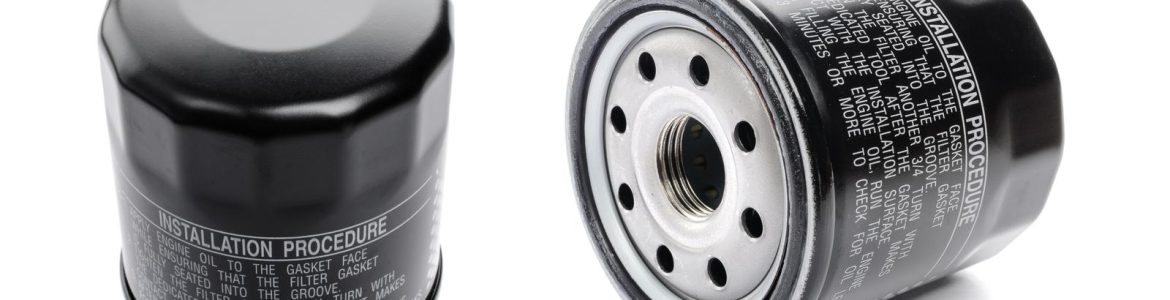
Your oil filter captures dirt, metal shavings, and carbon deposits. In the winter, condensation and grime increase, forcing your filter to work harder. A clogged or dirty filter cannot trap contaminants effectively.
Changing your oil also means replacing your filter. This simple step ensures your engine is protected from harmful buildup during the toughest season for driving.
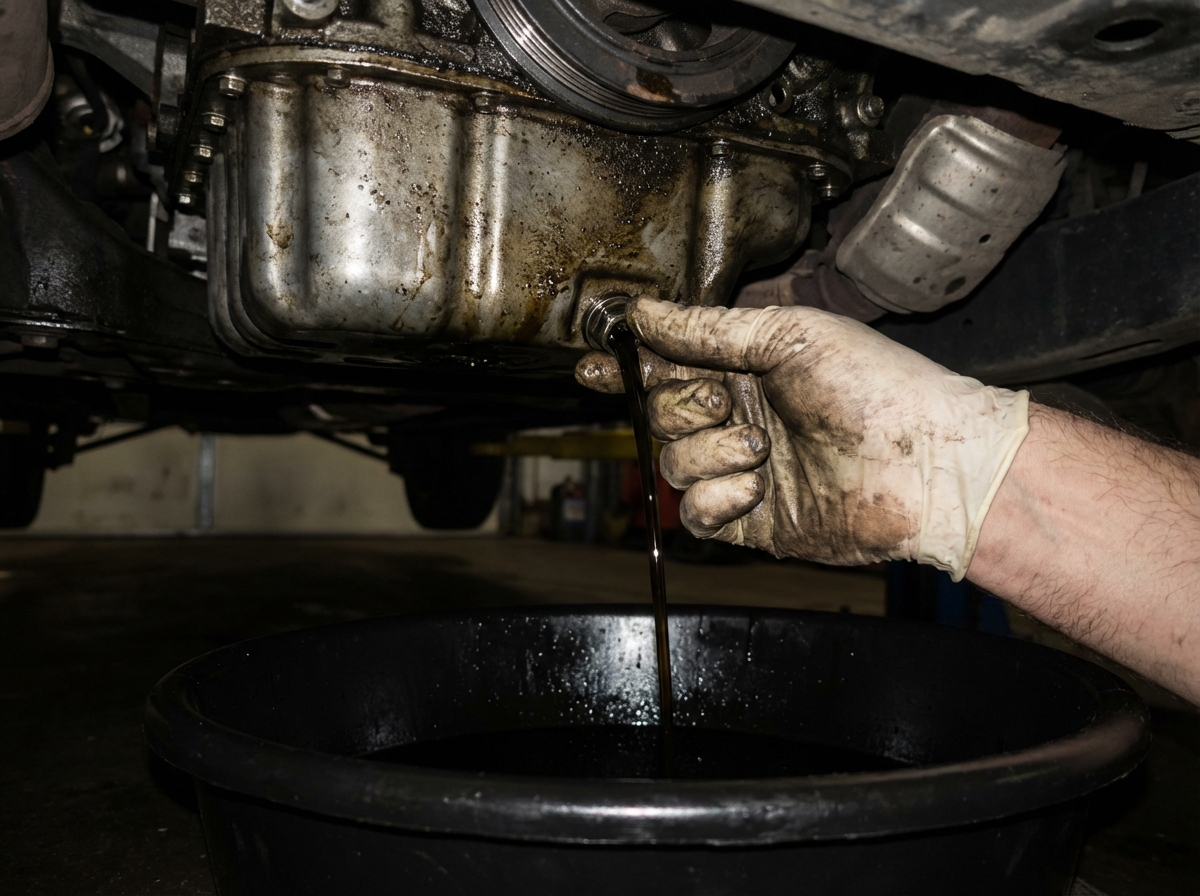
Short trips during cold weather put strain on your engine. Your engine often does not reach full operating temperature, which leaves condensation inside the system. That moisture does not burn off and mixes with oil, causing contamination.
Drivers who make frequent short trips during winter should change their oil more frequently. This routine maintenance keeps the engine running clean and reduces wear from cold starts.
Synthetic oil flows better in freezing temperatures than conventional oil. It provides quicker lubrication at startup and protects your engine from friction. If you drive in areas where temperatures drop below 20°F, switching to a full synthetic or synthetic blend helps your vehicle start easier and last longer.
Winter road salt, moisture, and condensation cause faster corrosion inside and outside the engine. Oil acts as a barrier between moving parts and air, which slows rust and wear. Degraded oil loses this protection.
Keeping your oil fresh helps prevent rust, corrosion, and accumulated dirt from destroying vital engine parts.
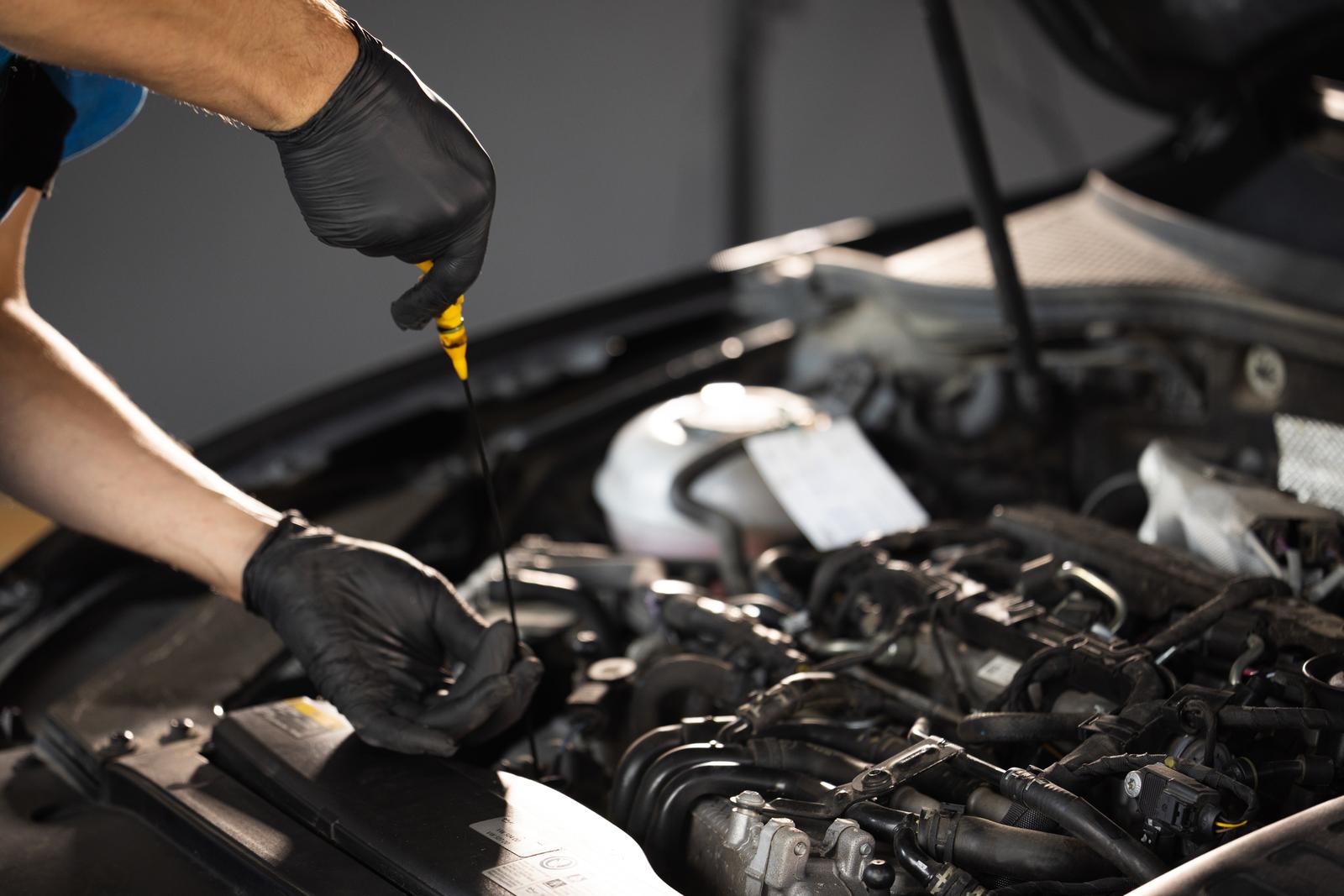
The average cost of engine replacement exceeds $4,000, while an oil change costs between $50 and $100. Skipping regular oil changes during winter is expensive in the long run. Taking your vehicle to a trusted local mechanic like America 1st Automotive keeps your engine in good shape and your budget safe.
Most experts recommend changing your oil every 3,000 to 5,000 miles for conventional oil or 7,500 to 10,000 miles for synthetic oil. Driving habits, weather conditions, and vehicle type affect this schedule.
Always check your owner’s manual for guidance and ask a professional technician to inspect your oil condition during winter.
Ignoring these warnings can lead to serious damage. Paying attention to them saves you money and stress.
Call (540) 356-0656 or visit America 1st Automotive to schedule your oil change today!
Stay on top of your vehicle’s maintenance. Schedule your oil change at America 1st Automotive today and keep your engine protected all winter long.
Cold temperatures make engine oil thicker, which slows lubrication and increases wear. Skipping an oil change in winter allows sludge and moisture to build up, reducing performance and risking engine damage.
Most vehicles should get an oil change every 3,000 to 5,000 miles for conventional oil or 7,500 to 10,000 miles for synthetic. If you drive short distances or in freezing temperatures, schedule changes more frequently.
Delaying an oil change in winter increases engine friction, slows oil flow, and traps contaminants. This can cause poor fuel economy, hard starts, and long-term engine wear.
Look for these warning signs:
If you notice any, visit America 1st Automotive for an inspection.
Oil thickens when temperatures drop because lower heat reduces its viscosity. Thicker oil moves slower through your engine, making it harder to start and causing extra strain on internal parts.
You are leaving the America 1st Automotive website. The following content is not ours.