We are your one-stop shop for all your auto repair needs. Our experienced technicians are here to provide top-notch service and get you back on the road in no time. Contact us today to schedule an appointment.
Clocks fall back on November 1, and that change affects your drive home more than you think. Sunset moves up by an hour, and suddenly you’re driving in the dark during your normal commute. Your headlights, taillights, and windshield need to handle that shift.
Drivers in Fredericksburg and Stafford County face a specific challenge each fall. Rural roads mix with highway traffic, deer activity picks up, and visibility drops fast after 5 p.m. A headlight check before the time change gives you a safety edge when you need it most.
The National Highway Traffic Safety Administration reports that the fatal crash rate for pedestrians is three times higher at night than during the day. Drivers lose an hour of daylight overnight when clocks shift, and their eyes and reflexes don’t adjust that fast.
Your evening commute changes instantly. A 5:30 p.m. drive home that used to happen in daylight now happens in near darkness. Your headlights carry the full weight of keeping you safe, and many drivers never check whether they’re up to the task.
Here’s what changes after November 1:
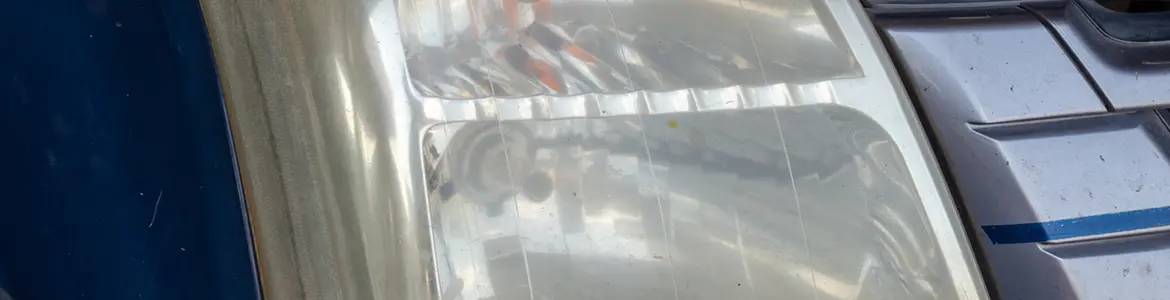
Headlights degrade over time, and the change happens slowly enough that most drivers don’t notice until a problem becomes obvious. Watch for these warning signs:
Halogen bulbs lose brightness gradually and typically need replacement every two to three years. HID and LED systems last longer but still fail when wiring, ballasts, or connectors wear out. A technician can test actual light output with a meter, something you can’t judge accurately at night.
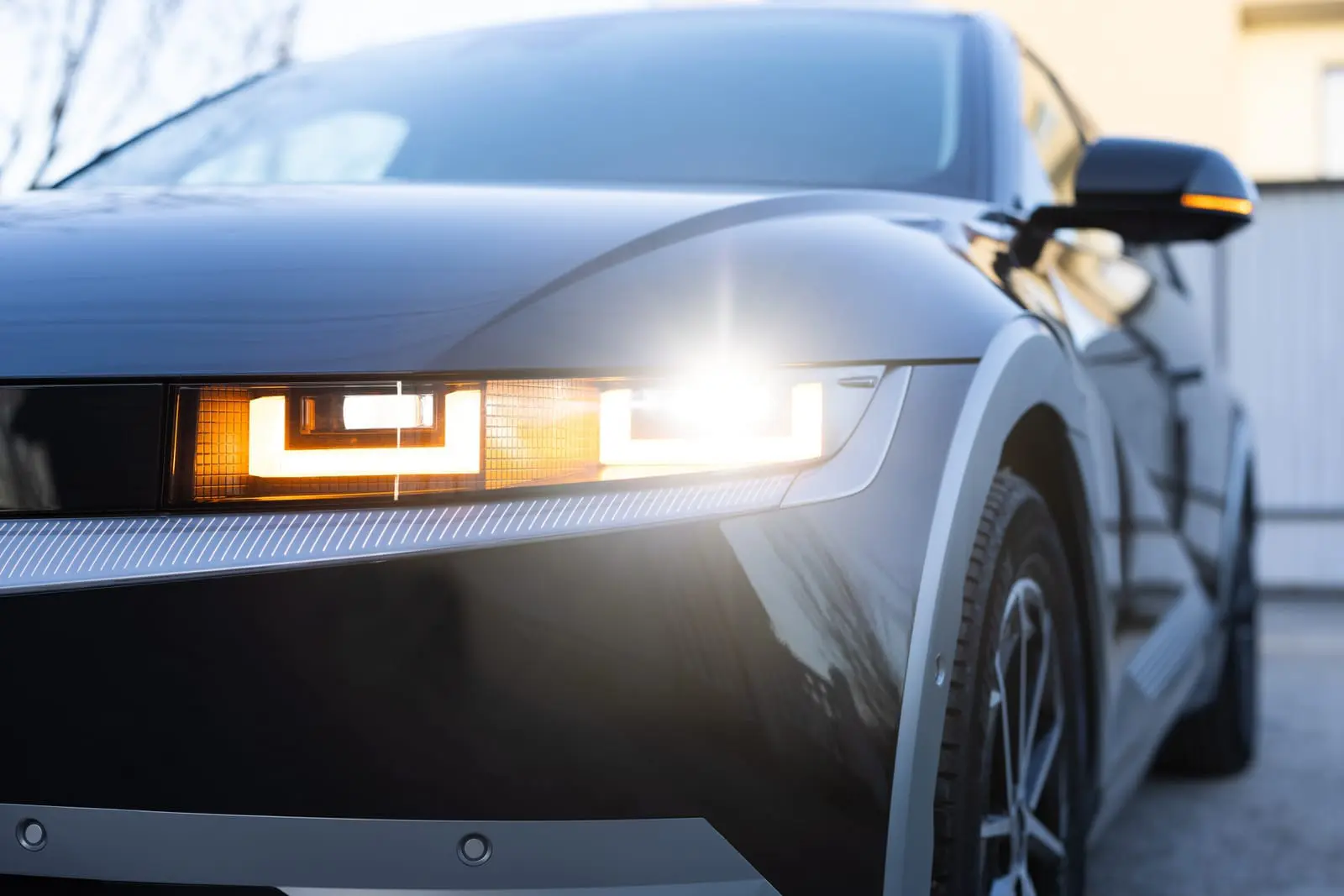
A bright headlight pointed in the wrong direction does little good. Misaligned headlights blind oncoming drivers, reduce your visibility of the road ahead, and create a hazard for everyone.
Headlight alignment shifts over time due to potholes, worn suspension components, or uneven tire pressure. A quick alignment check takes minutes and restores proper beam pattern, so your headlights light the road instead of the sky or the car in front of you.
Visibility works both ways. Drivers behind you need to see your brake lights, turn signals, and taillights clearly, especially in rain or fog. A burned-out taillight bulb often goes unnoticed until a police officer or a concerned friend points it out.
Check these components along with your headlights:
Headlights help only if you can see clearly through your windshield. Cracks, pitting, and road grime scatter light and create glare at night. Worn wiper blades smear rain across your windshield instead of clearing it, which makes dark, wet roads even harder to navigate.
Before the time change, inspect your wipers for cracking or skipping, and replace them if they’re more than six months old. Clean your windshield inside and out, since interior haze from dust and vapor creates glare under headlights and streetlights.
Headlights draw power from your battery and alternator. A weak battery struggles to keep headlights at full brightness, especially when you run the heater, defroster, and other electrical systems that draw more power as temperatures drop. Cold weather further reduces battery capacity, so a battery that worked fine all summer might start failing as fall temperatures arrive.
A technician can test your battery’s charge and your alternator’s output in minutes. This quick check catches a weak battery before it leaves you stranded in the dark.
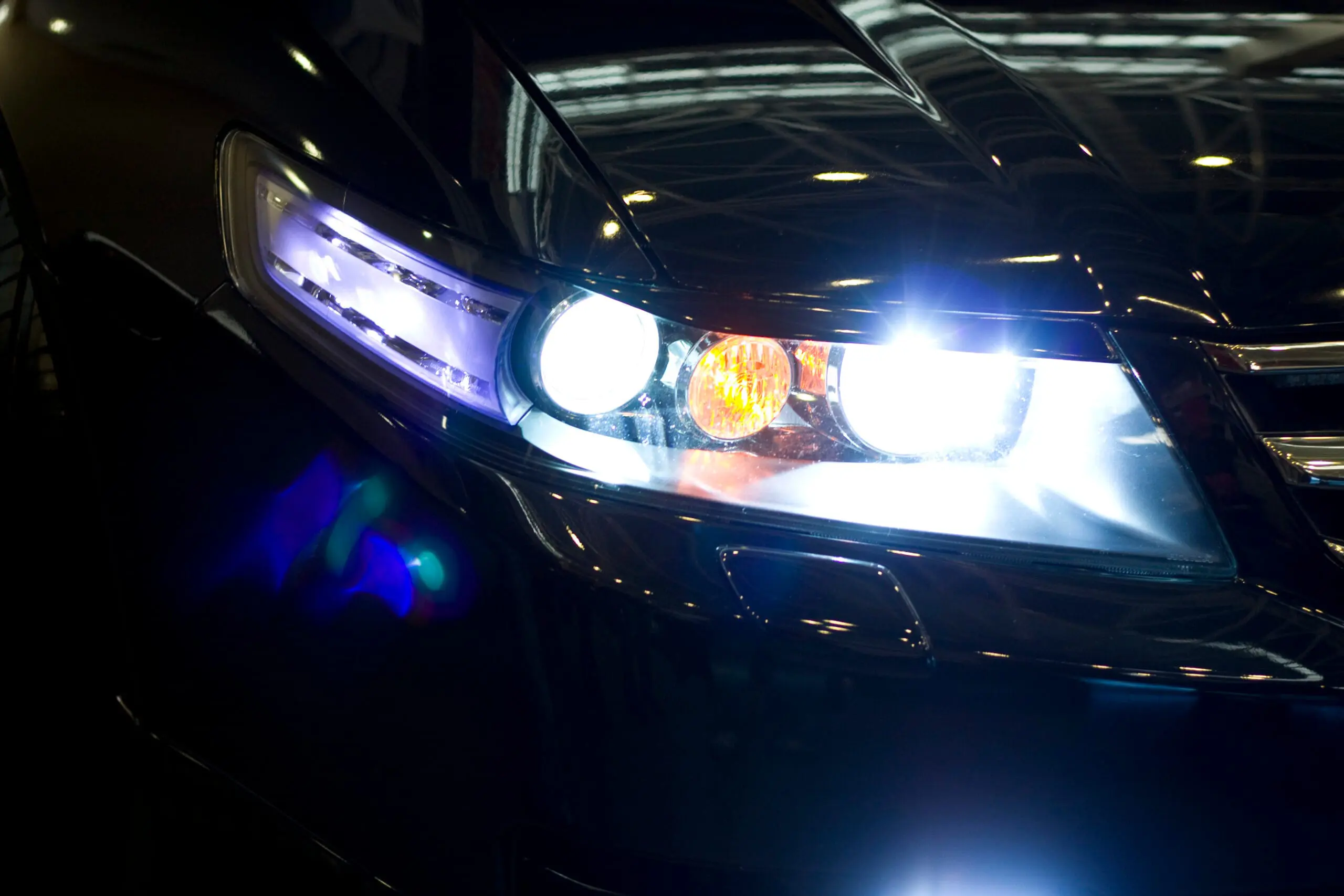
Your vehicle’s lighting system works best when every component gets checked together: bulbs, alignment, wiring, and battery output. A full inspection catches small problems before they turn into a dark drive home with one working headlight.
America 1st Automotive, located at 1006 Warrenton Road in Fredericksburg, offers full-service lighting and electrical inspections for drivers throughout Stafford County and the surrounding area. The shop’s technicians check bulb brightness, headlight alignment, battery health, and every exterior light on your vehicle, giving you a complete picture of your visibility before the clocks change.
Schedule your appointment today at America 1st Automotive or call (540) 356-0656 for expert service and trusted care
Halogen bulbs typically need replacement every two to three years, since they lose brightness gradually. LED and HID systems last longer but should still get tested yearly for consistent output.
Misaligned headlights point too high, blinding oncoming drivers, or too low, leaving the road ahead dark. A technician can measure beam pattern with proper equipment and correct the angle quickly.
Cold temperatures reduce a battery’s chemical reaction speed, lowering its output right when your headlights, heater, and defroster draw more power. A battery that performed fine in summer often struggles once temperatures drop.
Yes, headlight restoration services remove oxidation and yellowing from plastic lenses, restoring light output without the cost of full headlight replacement in many cases.
Check taillights, turn signals, wiper blades, windshield condition, and battery health. All these components work together to keep you visible and able to see clearly during darker commutes.
You are leaving the America 1st Automotive website. The following content is not ours.