We are your one-stop shop for all your auto repair needs. Our experienced technicians are here to provide top-notch service and get you back on the road in no time. Contact us today to schedule an appointment.
Your car takes you to work, school runs, weekend trips, and everywhere in between. Fredericksburg drivers face stop-and-go traffic on Route 17, seasonal temperature swings, and long commutes on I-95 to and from Richmond and Washington DC. Each of these factors wears down your vehicle faster than you might expect.
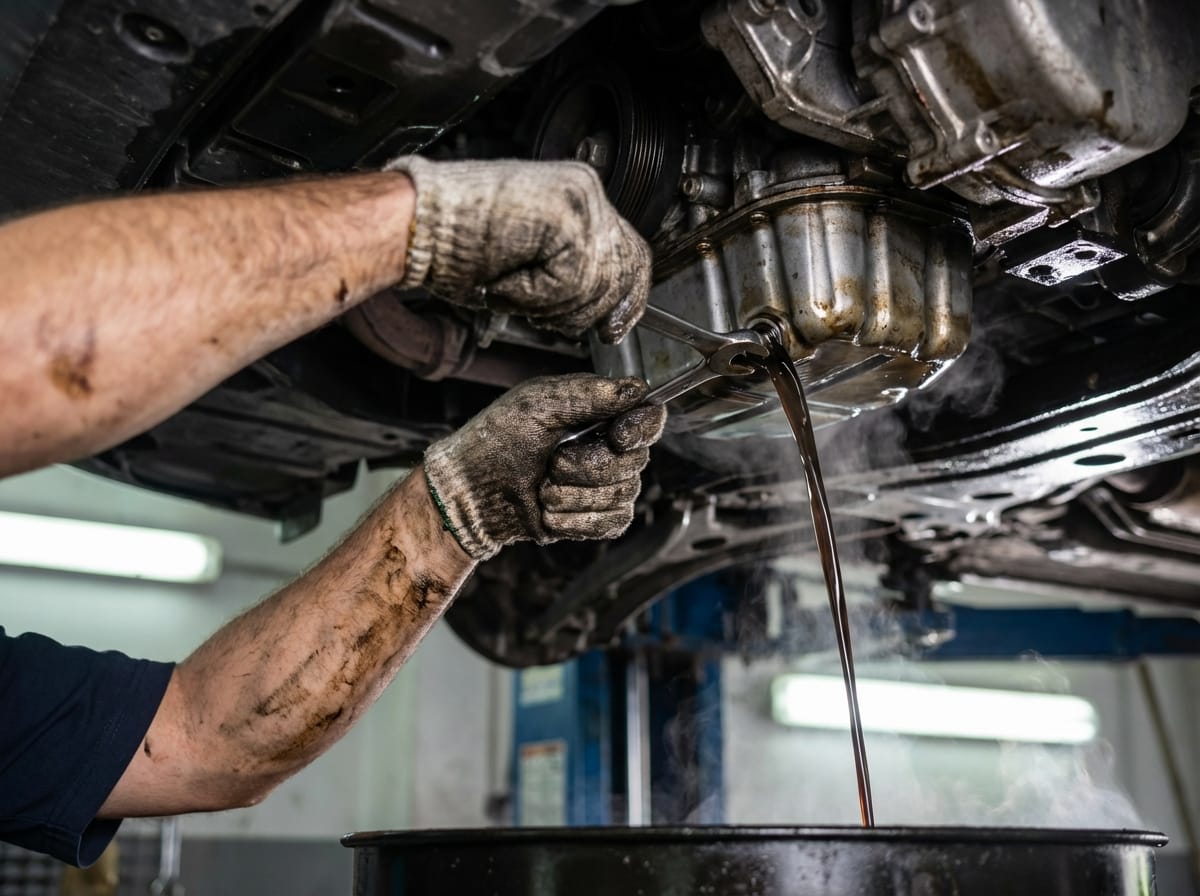
Oil keeps your engine’s moving parts lubricated and cool. Skip an oil change, and sludge builds up inside the engine. That sludge blocks oil flow, raises engine temperature, and speeds up wear on critical engine components.
Most vehicles need an oil change every 5,000 to 7,500 miles, though synthetic oil stretches that interval further. Check your owner’s manual for the exact number. If you tow trailers, drive frequently in stop-and-go traffic, or commute long distances on I-95, shorten the interval. Heavy use demands fresh oil sooner.
Uneven tire wear costs you money twice: once for premature tire replacement and again for poor fuel economy. Front tires wear differently from rear tires because of steering, braking, and weight distribution. Rotating tires every 5,000 to 7,500 miles spreads wear evenly across all four.
Balanced tires also reduce vibration, which protects your suspension components and steering system from unnecessary stress. Fredericksburg’s mix of highway miles and local stop-and-go driving accelerates uneven wear, so don’t stretch this interval too far.
Filters trap dirt, debris, and contaminants before they reach your engine. A clogged air filter forces your engine to work harder to draw in air, reducing fuel efficiency and horsepower. A dirty fuel filter restricts fuel flow, leading to rough idling, hesitation, and eventually stalling.
Most air filters need replacement every 12,000 to 15,000 miles. Fuel filters last longer on many vehicles, though older cars and trucks with metal fuel filters often need replacement every 20,000 to 30,000 miles. Dusty roads, construction zones, and pollen season in Virginia all shorten filter lifespan.
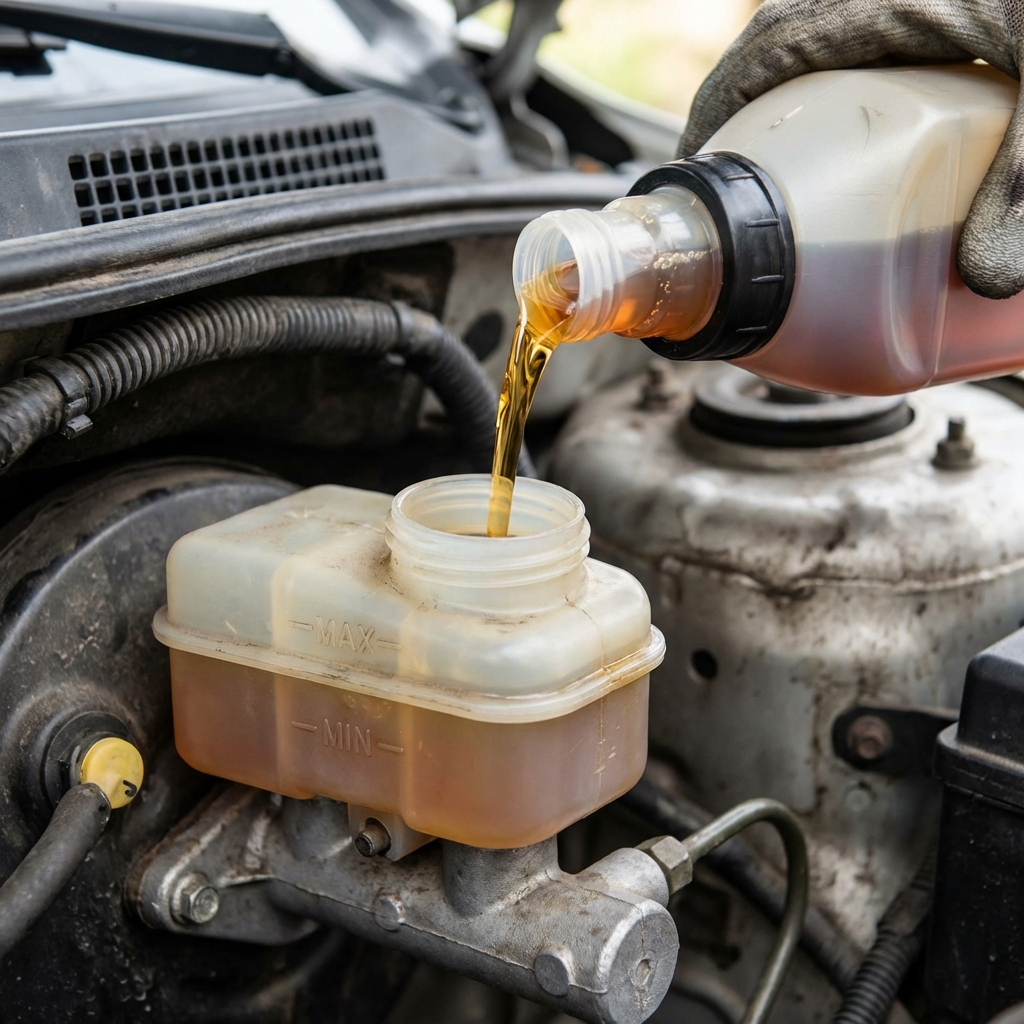
Your vehicle runs on more than oil. Transmission fluid, coolant, brake fluid, and power steering fluid each break down over time, losing their protective properties. Old transmission fluid causes rough shifting and eventual transmission failure, a repair that costs thousands of dollars. Old coolant loses its ability to prevent overheating and corrosion inside your engine block.
Fredericksburg summers push coolant systems hard. Confirm your coolant is fresh before peak heat arrives each year.
A dashboard warning light, a new noise, or a change in how your car handles is a signal to speak with a technician right away, not next month. Small issues, like a worn brake pad or a failing belt, cost far less to fix than the damage they cause once ignored. Squealing brakes today prevent a warped rotor next month. A minor coolant leak today prevents a blown head gasket next year.
Consistent care adds years to your vehicle and keeps repair bills predictable instead of catastrophic. Small habits, done on schedule, save Fredericksburg drivers thousands of dollars over a vehicle’s lifetime.
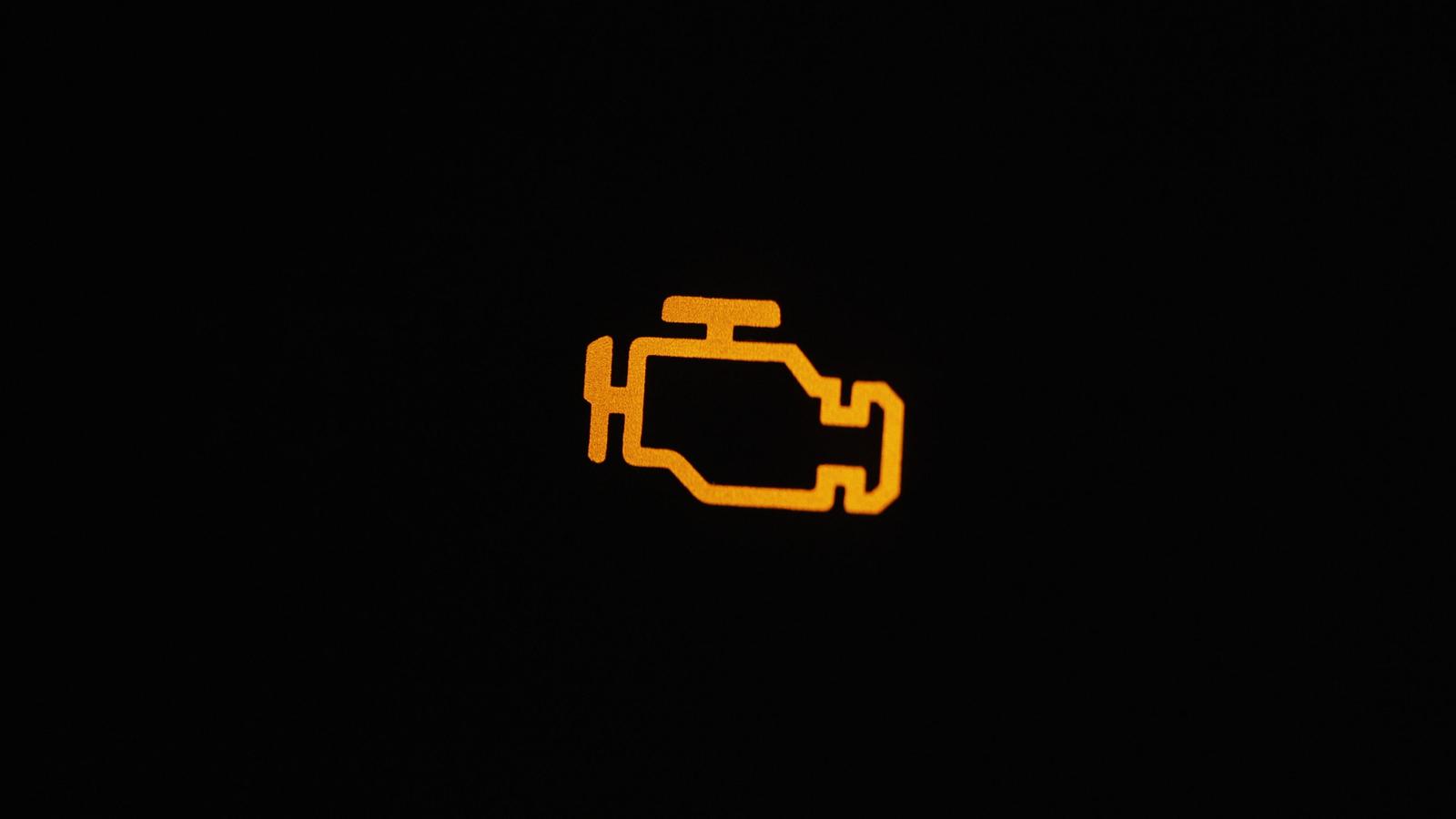
Don’t wait for a warning light to force your hand. Book a maintenance visit with America 1st Automotive today, and let our Fredericksburg technicians handle your oil, tires, filters, and fluids in one convenient appointment. A small visit now saves you thousands in repairs later.
Schedule your appointment today at America 1st Automotive or call (540) 356-0656 for expert service and trusted care
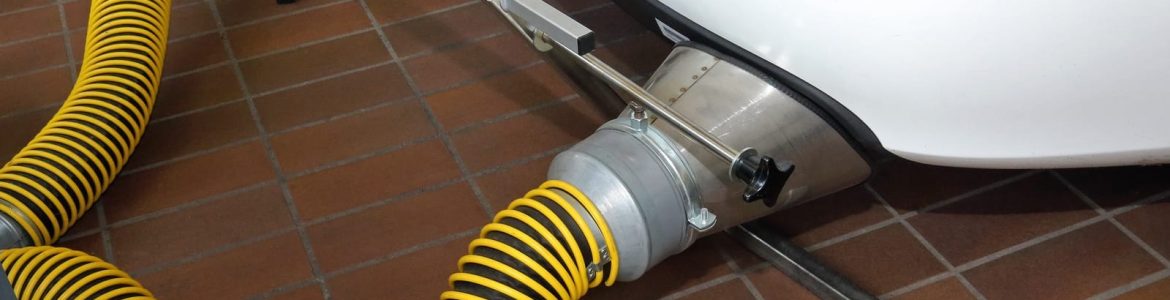
Most tests take about 15 minutes..
An active check engine light leads to failure.
Most vehicles need testing every two years.
Yes, but you must repair the issue before registration renewal.
New vehicles often have a temporary exemption. Call America 1st Automotive to see if your care qualifies. (540) 356-0656
You are leaving the America 1st Automotive website. The following content is not ours.