We are your one-stop shop for all your auto repair needs. Our experienced technicians are here to provide top-notch service and get you back on the road in no time. Contact us today to schedule an appointment.
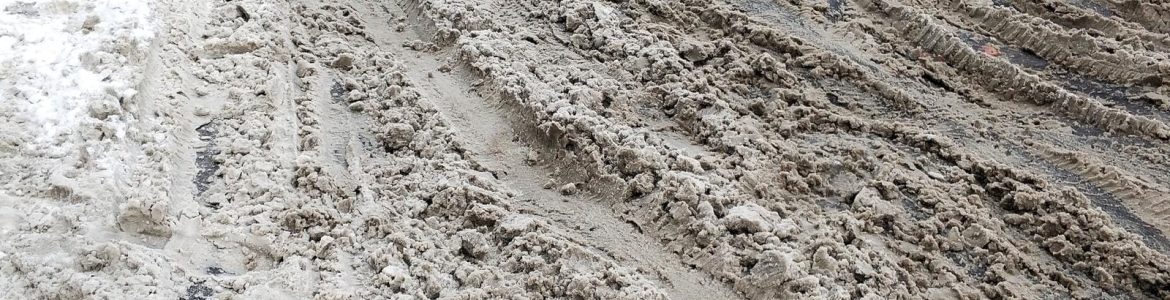
Winter roads in Stafford County and Fredericksburg, Virginia take a beating each year. Freezing temperatures, road salt, and repeated freeze-thaw cycles break down pavement and create potholes that appear overnight. Hitting one of these potholes does more than jolt your coffee cup. Potholes and rough winter roads damage your suspension, throw off your alignment, and wear down parts you rely on for a smooth, safe ride.
This guide explains how potholes form, which parts of your car take the hit, and the warning signs that it’s time for a suspension or alignment check.
Water seeps into small cracks in the pavement during the day, then freezes overnight. Ice expands as it forms, which pushes the pavement apart from underneath. When temperatures rise again, the ice melts, leaving a gap beneath the road surface. Traffic driving over that weak spot breaks the pavement apart, and a pothole forms.
The Virginia Department of Transportation deals with thousands of pothole repair requests each winter, especially after a stretch of freezing nights followed by warmer days. This freeze-thaw cycle happens often in central Virginia, where temperatures swing above and below freezing throughout the season. Roads in this region take more damage than roads in states with steady, consistent cold.
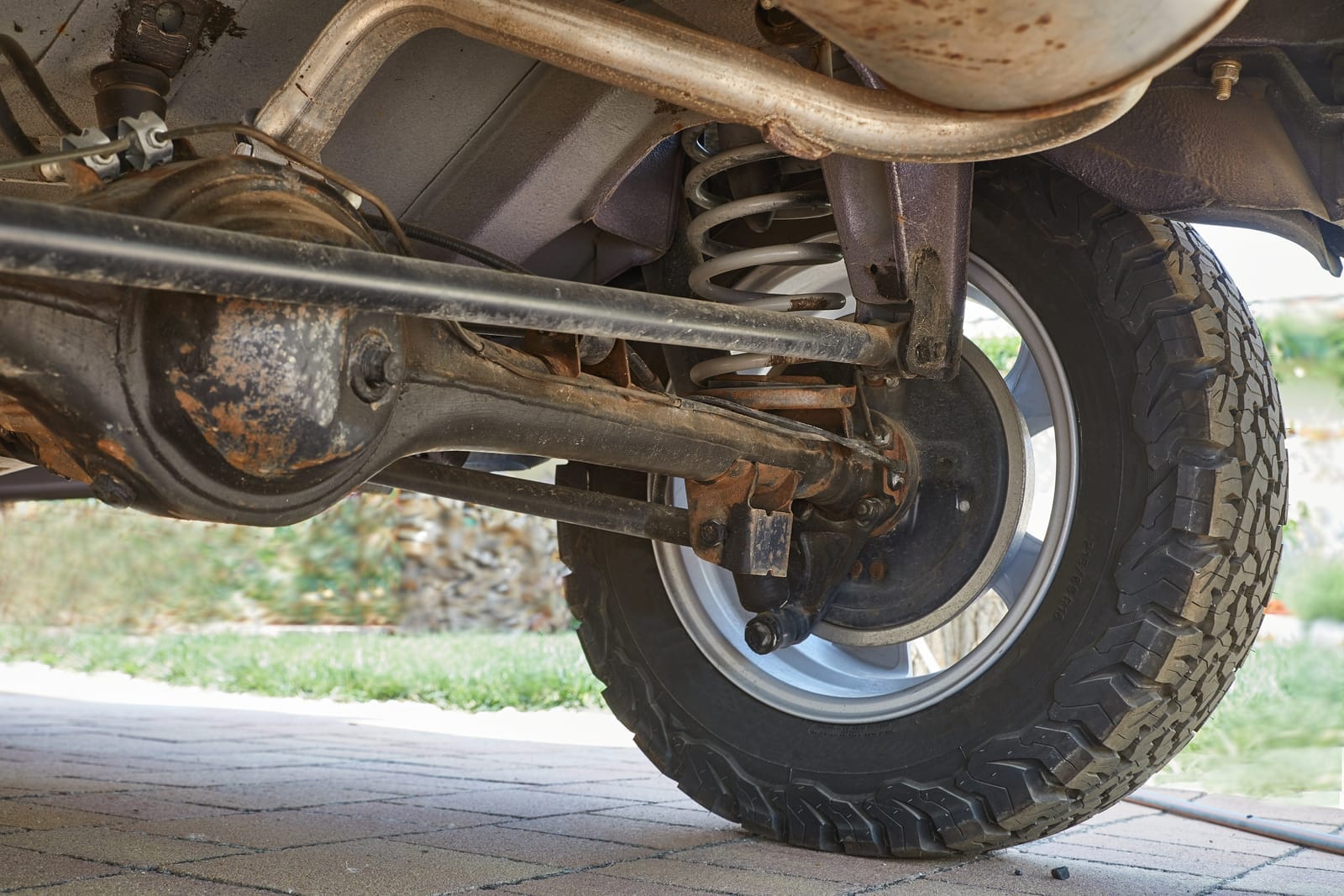
Your suspension system absorbs road shocks so your cabin stays steady and your tires stay in contact with the pavement. Potholes deliver a sharp, sudden force to this system, causing damage over time or all at once.
A single hard pothole strike causes damage right away. Smaller, repeated impacts from rough winter roads slowly wear these parts down, so you might not notice the damage until a part fails.
Wheel alignment refers to the angles of your wheels compared to each other and the road. A pothole strike pushes a wheel out of position, even by a small amount. Small alignment shifts create big problems over time.
The Tire Industry Association notes that proper alignment extends tire life and improves handling, while poor alignment shortens tire life and raises the risk of a blowout.
Watch for these signs after driving over potholes or rough winter roads:
Catching these signs early saves you money. A minor alignment adjustment costs far less than replacing a damaged control arm or strut after months of driving on a misaligned wheel.
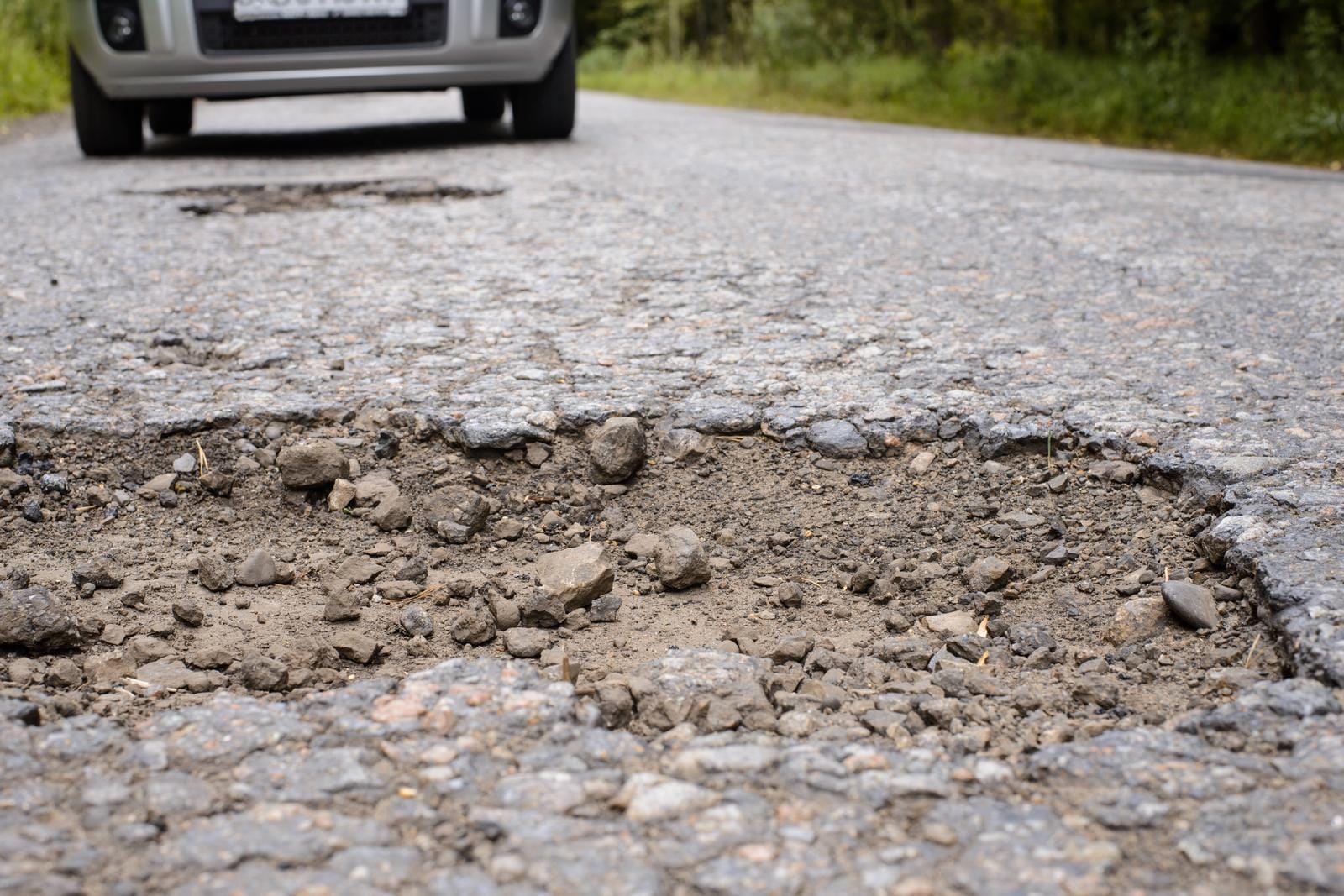
You can’t avoid every pothole, but a few habits reduce the damage:
Drivers in Stafford and Fredericksburg deal with rough patches on local roads every winter, from Route 1 to I-95 service roads. A yearly alignment check catches small issues before they turn into expensive repairs.
If you’ve hit a rough pothole this winter, don’t wait for bigger problems to show up. Schedule a suspension and alignment inspection with America 1st Automotive today, and let our technicians catch small issues before they cost you more. Book your appointment online or call our Stafford, Virginia shop to keep your ride smooth through the rest of the season.
Schedule your appointment today at America 1st Automotive or call (540) 356-0656 for expert service and trusted care
A pothole sends a sudden, sharp force through your suspension system. This force can bend a strut, tear a bushing, or crack a spring, and damage builds up over time with repeated impacts.
Yes. A hard pothole strike pushes a wheel out of its correct position, even by a small amount. This small shift causes uneven tire wear, pulling, and steering trouble over time.
Costs vary based on the part damaged. A wheel alignment costs less than replacing a strut, control arm, or spring, so catching damage early saves you money.
Water seeps into pavement cracks, freezes overnight, and expands. This freeze-thaw cycle breaks pavement apart, and central Virginia’s temperature swings make this process happen often.
Schedule a check each season, especially after a hard winter with heavy pothole damage. Catching small alignment shifts early prevents bigger suspension problems later.
You are leaving the America 1st Automotive website. The following content is not ours.