We are your one-stop shop for all your auto repair needs. Our experienced technicians are here to provide top-notch service and get you back on the road in no time. Contact us today to schedule an appointment.

Virginia requires emissions testing in certain counties as part of vehicle registration renewal. Stafford County drivers who fail this test face a frustrating choice: pay for repairs or risk driving with an expired registration. Understanding why cars fail emissions testing helps you avoid a failed test, save money on repairs, and keep your registration current without a second trip to the testing station.
Below are the top five reasons vehicles fail Virginia’s emissions test, along with practical steps to fix each problem before your next inspection.
The oxygen sensor measures how much unburned oxygen leaves your engine through the exhaust. Your engine computer uses this reading to adjust the fuel-to-air mixture. A failing oxygen sensor sends faulty data to the computer, causing the engine to burn fuel inefficiently and emit excess emissions.
Warning signs of a bad oxygen sensor include:
Oxygen sensors wear out over time, often between 60,000 and 90,000 miles, depending on your vehicle. Replacing a faulty sensor restores fuel efficiency and lowers harmful emissions before your test date.

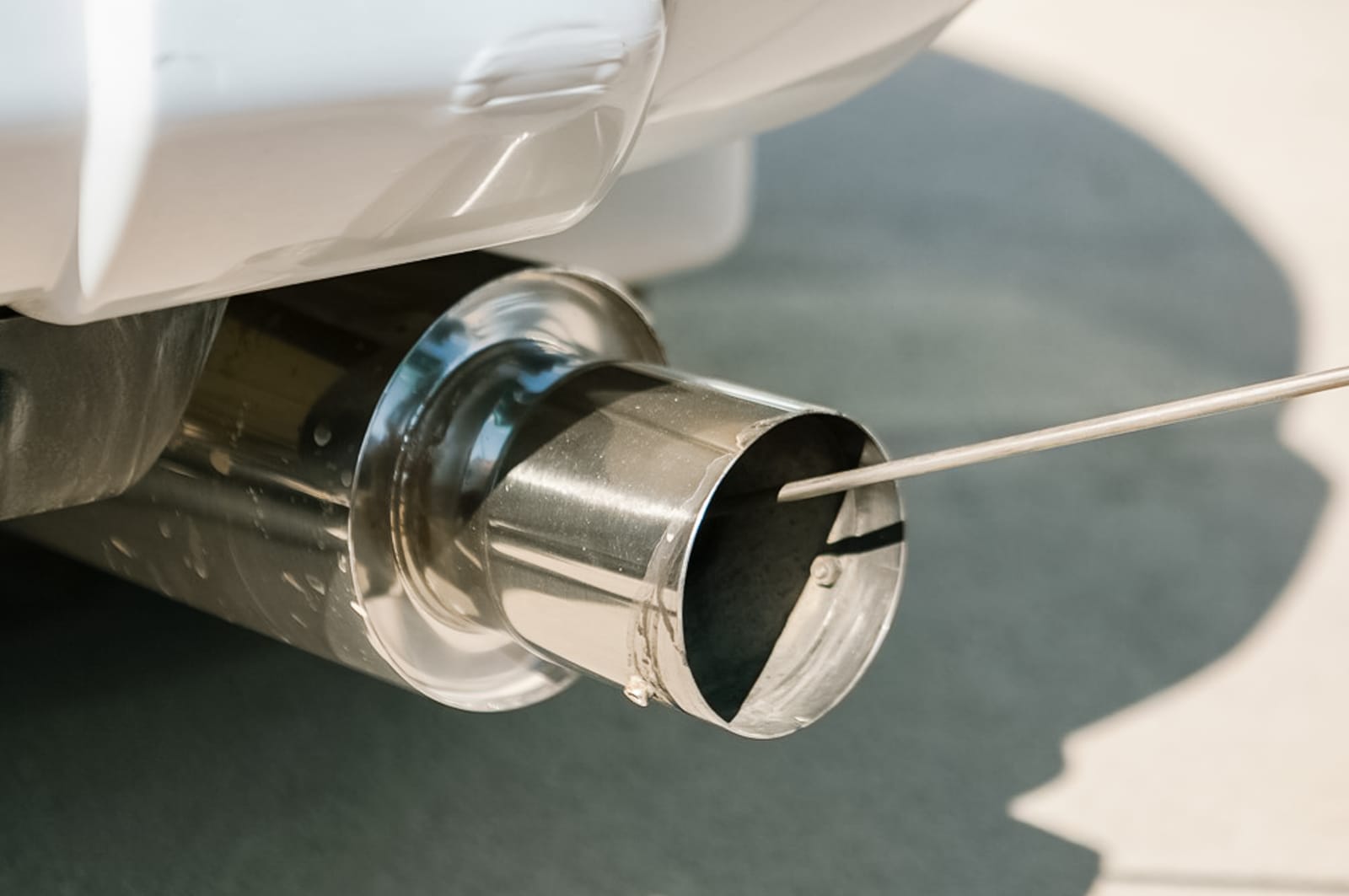
The catalytic converter changes harmful exhaust gases into less harmful compounds before they leave your tailpipe. A damaged catalytic converter, or one removed due to theft, causes an automatic emissions test failure. Catalytic converter thefts have risen across Virginia in recent years, and vehicles parked in public lots or driveways in Stafford County face this risk.
Signs of catalytic converter trouble include:
Replacing a damaged catalytic converter costs more than most emissions repairs, so preventive measures like anti-theft devices and secure parking help avoid this expense altogether.
Virginia’s emissions test includes an onboard diagnostics check. Your car’s computer system runs continuous self-tests on the engine, transmission, and emissions components. If your check engine light is on, your vehicle automatically fails the emissions test, regardless of what triggered it.
Common causes of an illuminated check engine light include:
Address a check engine light well before your test appointment. Some repairs require a short drive cycle to reset the computer’s readiness monitors, and an incomplete monitor also results in a failed test.
If your check engine light is on, your vehicle will fail. The system flags active issues right away.
Spark plugs ignite the fuel-air mixture in your engine’s cylinders. Worn or fouled spark plugs cause incomplete combustion, which sends unburned fuel into the exhaust system. This raises hydrocarbon emissions and often triggers a check engine light.
Signs your spark plugs need replacement include:
Most spark plugs last between 30,000 and 100,000 miles, depending on the type installed. Replacing worn plugs on schedule prevents misfires and keeps your emissions system working properly.
The evaporative emissions system, often called the EVAP system, captures fuel vapors from your gas tank and routes them back into the engine for combustion instead of releasing them into the air. A crack, a loose hose, or a damaged gas cap in this system allows fuel vapors to escape.
Common EVAP system problems include:
EVAP leaks trigger a check engine light and often show up during the onboard diagnostics portion of your emissions test. A pressure test from a qualified technician identifies the exact source of the leak.
Fixing these five problems before your test appointment saves you a second trip to the testing station and keeps your registration renewal on schedule. A pre-test inspection at a trusted repair shop catches these issues early, often for less than the cost of a failed test and follow-up repair.
You can visit a certified emissions inspection station. America 1st Automotive offers trusted service and clear guidance.
Expect:
Schedule your appointment today at America 1st Automotive or call (540) 356-0656 for expert service and trusted care
Don’t let a failed emissions test slow down your registration renewal. Schedule a pre-emissions inspection with America 1st Automotive today. Our Stafford County technicians check your oxygen sensors, catalytic converter, spark plugs, and EVAP system to help you pass your test the first time.
You receive a report showing which components failed. Virginia requires repairs and a passing retest before your registration renewal completes.
Yes. Virginia’s emissions test includes an onboard diagnostics check, and an illuminated check engine light causes an automatic failure regardless of the underlying cause.
Costs vary by vehicle make and model, and catalytic converter replacement often costs more than other emissions repairs. A technician gives you an accurate estimate after inspecting your exhaust system.
Yes. A loose or cracked gas cap allows fuel vapors to escape from the evaporative emissions system, which triggers a check engine light and causes a failed test.
Most oxygen sensors last between 60,000 and 90,000 miles, though driving conditions and vehicle age affect this range.
You are leaving the America 1st Automotive website. The following content is not ours.