We are your one-stop shop for all your auto repair needs. Our experienced technicians are here to provide top-notch service and get you back on the road in no time. Contact us today to schedule an appointment.
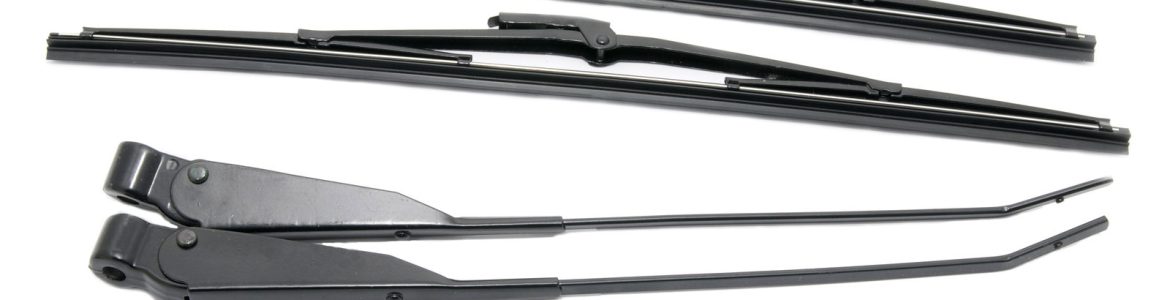
The last thing you want is to be caught off guard behind the wheel during the winter months. Visibility is an essential consideration given the cold, snow, ice, and limited daylight. Your headlights and windshield wipers help you drive somewhat safely during this season. Keeping these in good working order means you see the road, and others see you.
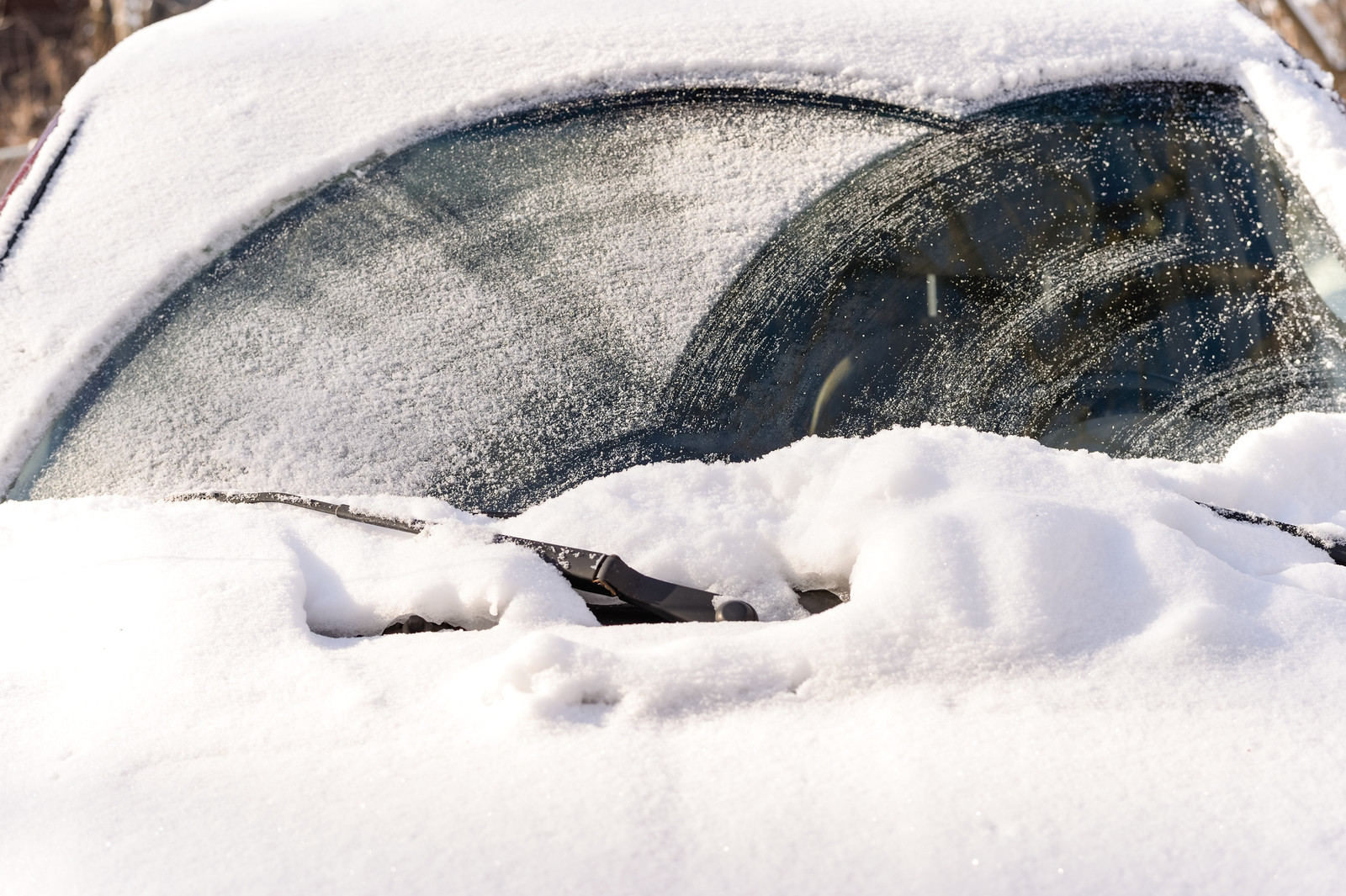
The risk for accidents is even higher during the winter season. According to the Federal Highway Administration, approximately one-quarter of all weather-related vehicle crashes occur on snowy, slushy, or icy pavement. Near-zero visibility only exacerbates these dangers. Maintaining your wipers and lights represents one of the easiest ways to protect yourself.
In freezing rain or snow, regular wipers freeze and streak. Winter blades are designed for harsh weather. They are made with a rubber sheath that prevents ice buildup and stays flexible even in very low temperatures.
Benefits of winter wipers:
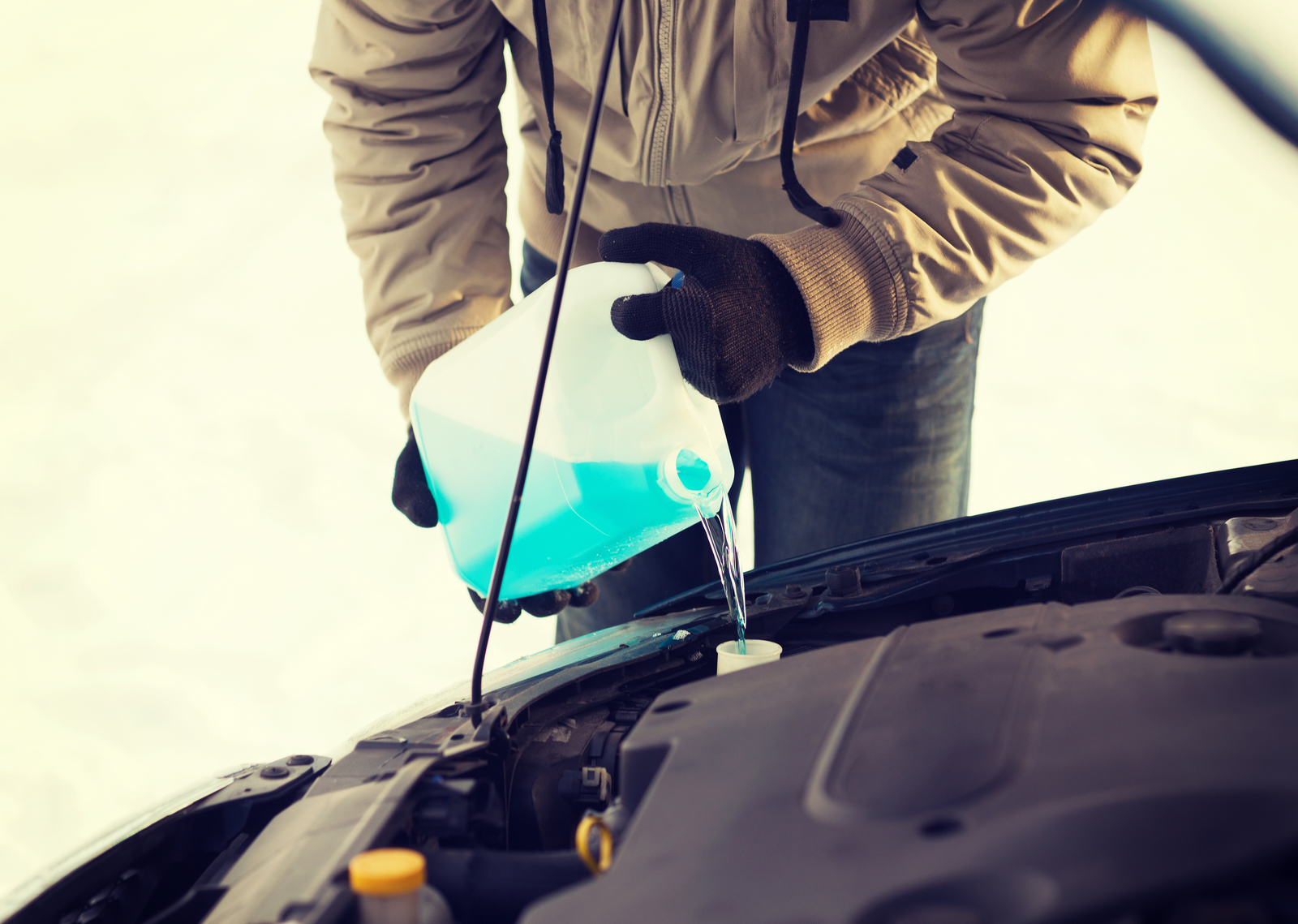
Standard washer fluid freezes in lower temperatures. Frozen fluid prevents you from cleaning the windshield when salt and grime build up. Use winter-rated washer fluid rated to at least-20°F, and check the reservoir frequently, as you will use more when driving through snow. Never be without an extra gallon in your trunk.
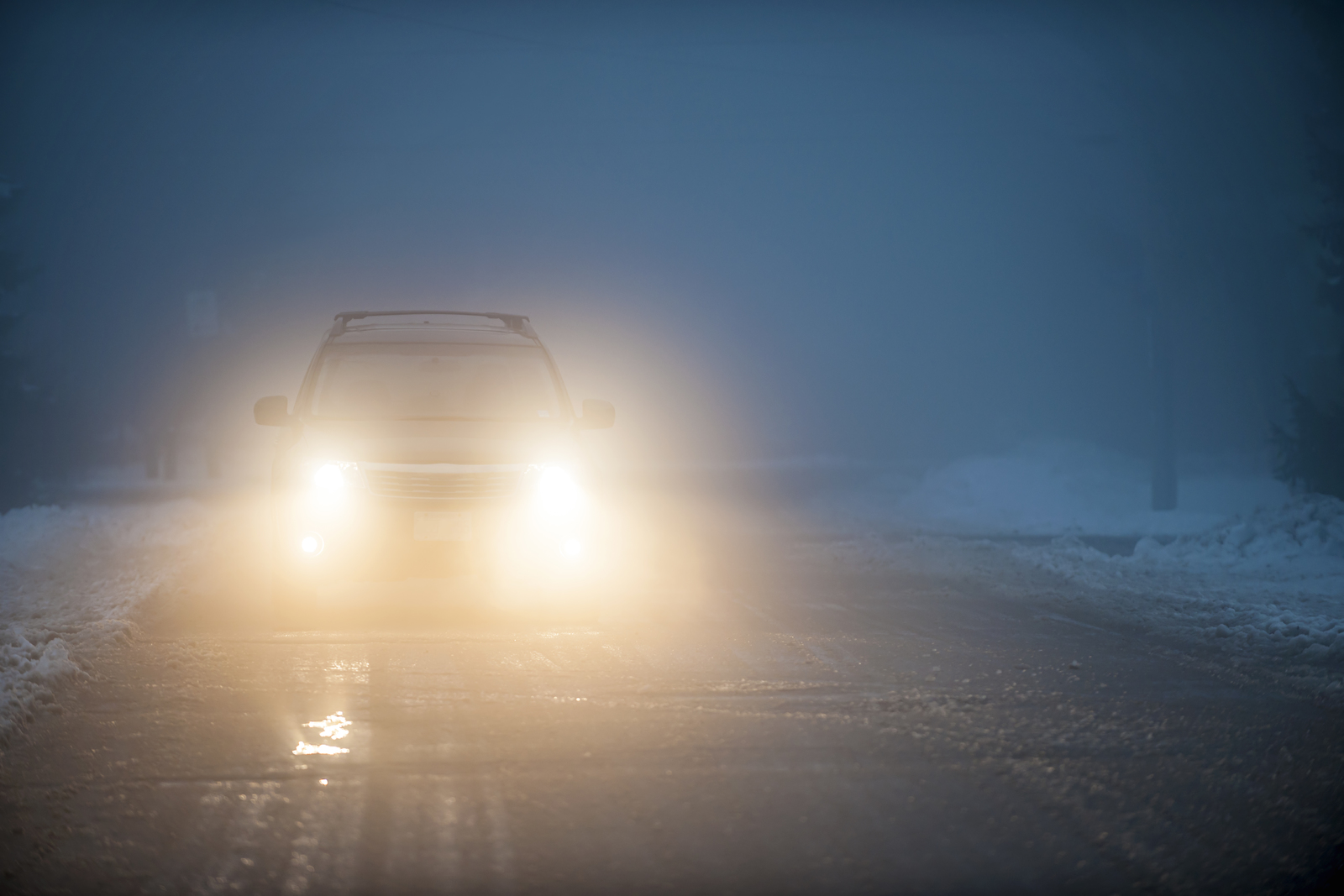
The benefit of your headlights is the difference between having enough time to see and avoid an obstacle and not seeing it at all. Snow, fog, and early darkness severely restrict visibility in the winter. Cloudy or dull headlights compound the visibility problem.
Tips for better lighting:
Check your entire lighting system. That includes stoplights, foglights, and taillights. They play a critical role in helping other drivers determine your location. A burned-out bulb increases your risk of an accident.
Perform a 360-degree check once a month:
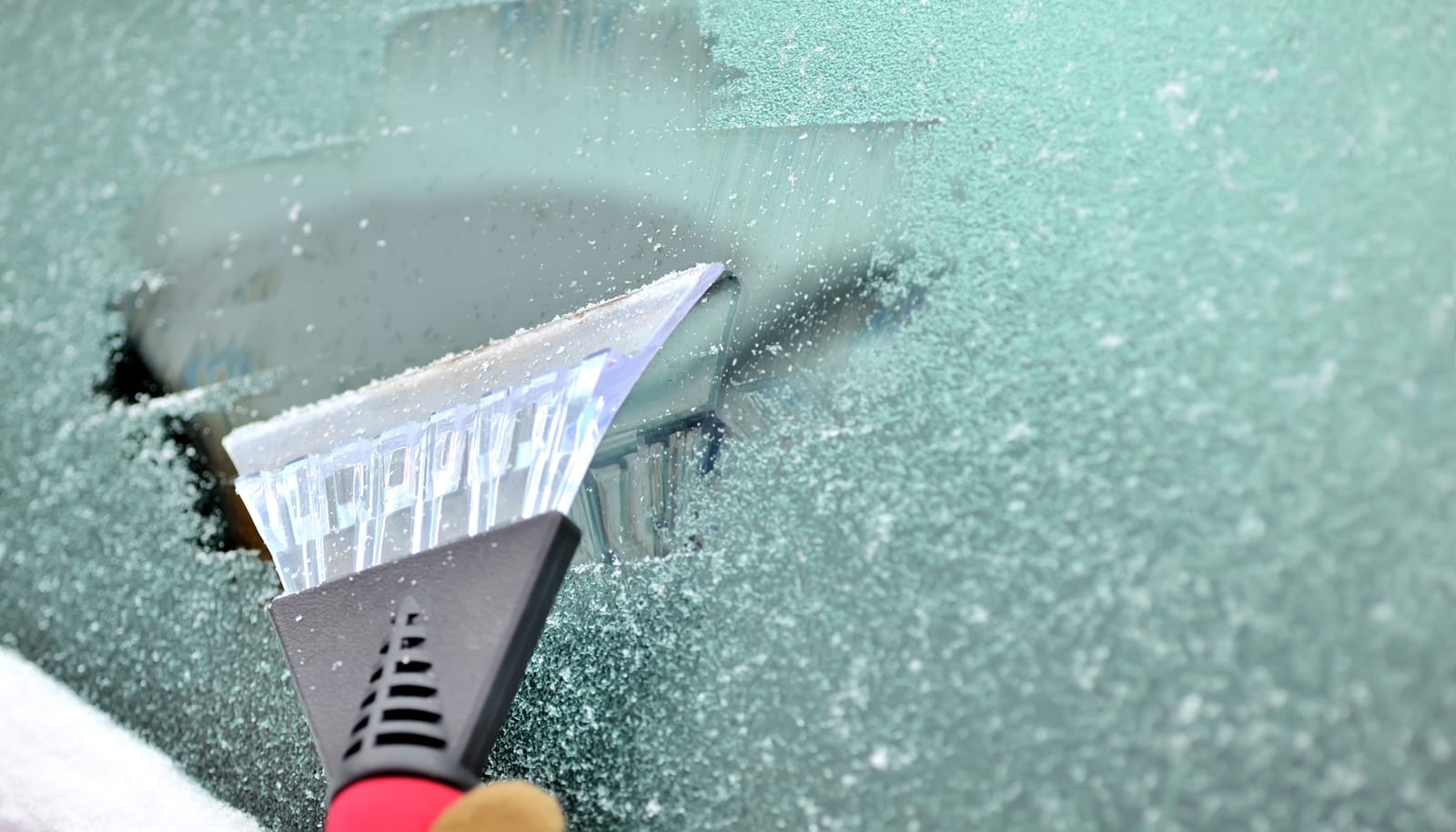
Ice reduces clarity on your windshield and blocks headlights. Avoid scraping dry glass with metal tools, as this can scratch and damage the glass surface. Instead:
Caution: Never pour hot water on a frozen windshield.
Your car’s heating and defrost system clears condensation and ice from the interior side of the glass. Without it, you’ll drive blind when the windows fog.
If your defroster is weak or not blowing warm air, have it inspected. Problems might include low coolant, a bad thermostat, or a failing blower motor. Getting this fixed improves both visibility and comfort.
Road salt, dirt, and grime accumulate quickly in the winter. Wash your windows inside and out every couple of days. Even residue from heaters and defrosters can cause glare at night. Use an ammonia-free glass cleaner that won’t leave streaks or haze.
Driving safely in Virginia winters requires preparation. Minor issues reduce visibility fast when the weather turns bad.
Call (540) 356-0656 or visit us here at America 1st Automotive to schedule your winter wiper blades and lights check-up! Stay safe and look sharp this season.
Wipers smear when the rubber blade is worn, stiff, or damaged from freezing temperatures. Replace them with winter-specific blades that stay flexible in the cold and resist ice buildup.
You should replace wipers every six months or once you notice streaks, skipping, or noise during operation. Snow and ice wear wipers faster, so check them before and during winter.
Use a winter-grade washer fluid rated for at least -20°F to prevent freezing. Standard washer fluid can freeze in the lines or reservoir, leaving you unable to clean your windshield when it’s most needed.
Use a windshield cover overnight, lift your wipers before snow, and run the defroster for several minutes before driving. Applying a winter windshield treatment can also help repel ice and frost.
If washer fluid won’t spray, ice might have frozen in the lines or nozzles. Park your car indoors or run the defroster for a few minutes to thaw the system. Switching to antifreeze washer fluid prevents this issue. A technican at America 1st Automotive can troubleshoot and fix this if it is a more serious problem
You are leaving the America 1st Automotive website. The following content is not ours.
 Contact America 1st Automotives today; (540) 356-0656 to have your headlights inspected