

We are your one-stop shop for all your auto repair needs. Our experienced technicians are here to provide top-notch service and get you back on the road in no time. Contact us today to schedule an appointment.

Your cooling system controls engine temperature. Heat puts an extra load on this system.
Focus on these parts:
Coolant should sit between the minimum and maximum marks. Low coolant leads to overheating. Old coolant loses strength. Most manufacturers suggest a flush every 30,000 to 50,000 miles.
Look for:
If your engine temperature gauge rises above normal, stop driving. Overheating damages engines fast.
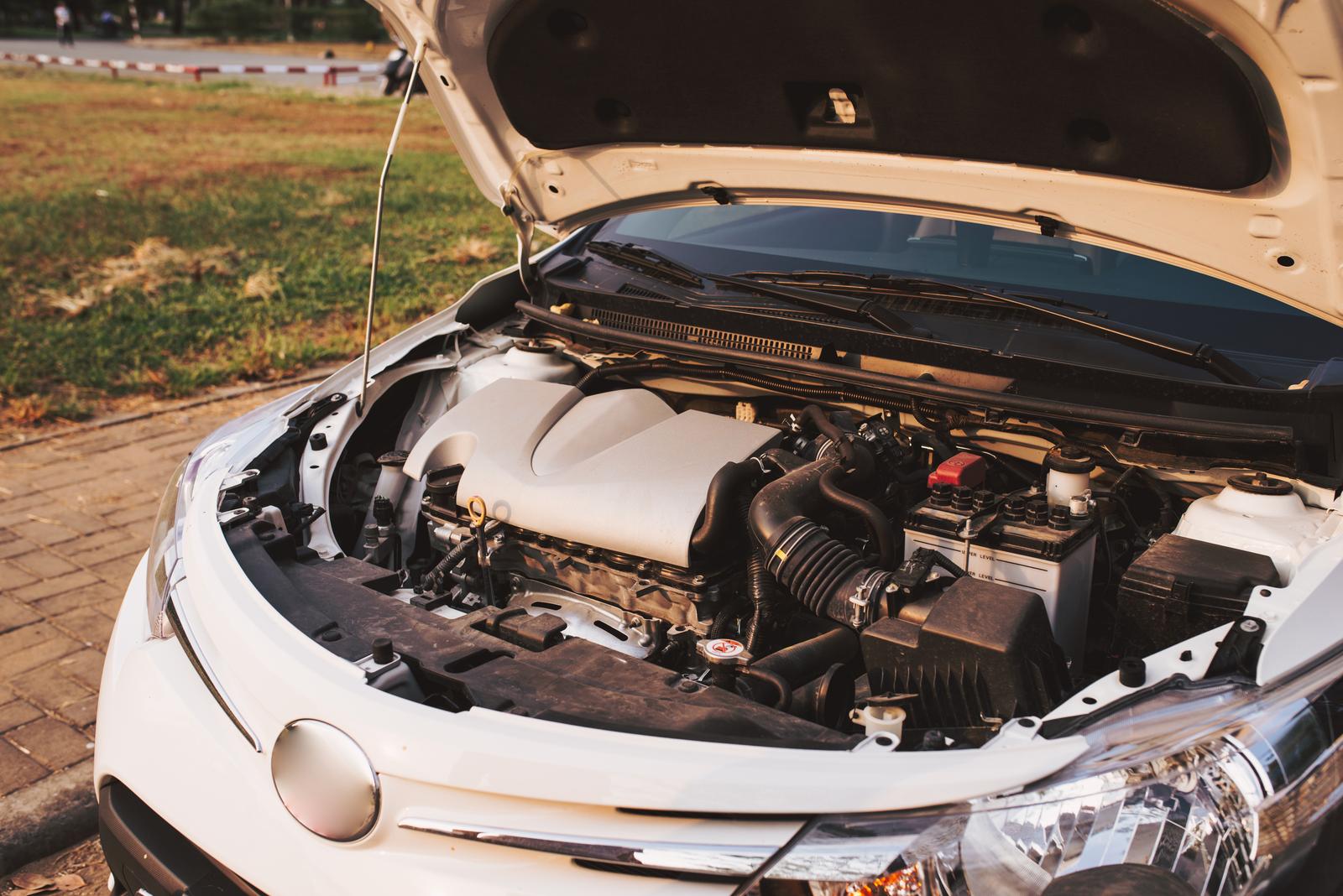
Heat shortens battery life. High temperatures cause fluid inside the battery to evaporate. This weakens internal parts.
Signs of a weak battery:
Clean terminals with a wire brush. Secure all connections. Most car batteries last three to five years. If your battery falls in this range, test it before summer travel.
AAA states that extreme heat speeds up battery failure more than cold weather.
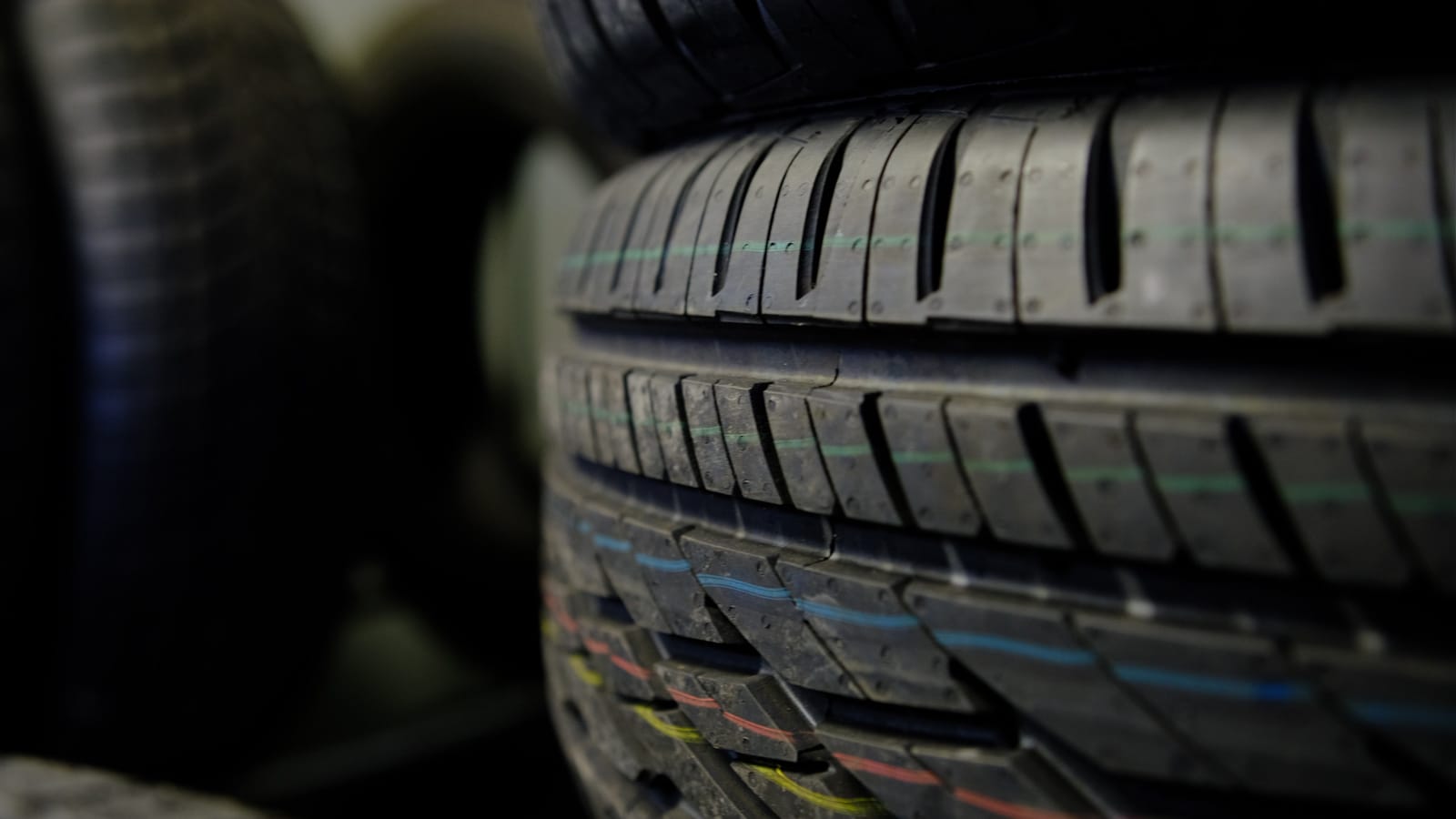
Hot roads raise tire pressure. Underinflated or worn tires increase the risk of blowouts.
Use a tire gauge to check tire pressure when the tires are cold. Compare with the PSI recommended in your owner’s manual or on the door sticker.
Inspect tires for:
The penny test works well. Insert a penny into the tread. If you see Lincoln’s head, the tread is too low.
Proper tire care improves safety and fuel use.
Fluids protect moving parts. Heat speeds up the breakdown of fluids.
Check and replace:
Use the oil recommended by your manufacturer. Clean oil reduces engine friction and heat buildup.
Brake fluid absorbs moisture over time. Old fluid reduces braking performance.
A working AC system improves comfort and safety. High cabin heat leads to driver fatigue.
Turn on your AC and check:
Weak cooling often points to low refrigerant or a failing compressor. A clogged cabin air filter also reduces airflow.
The Environmental Protection Agency notes that proper AC maintenance helps maintain system efficiency.
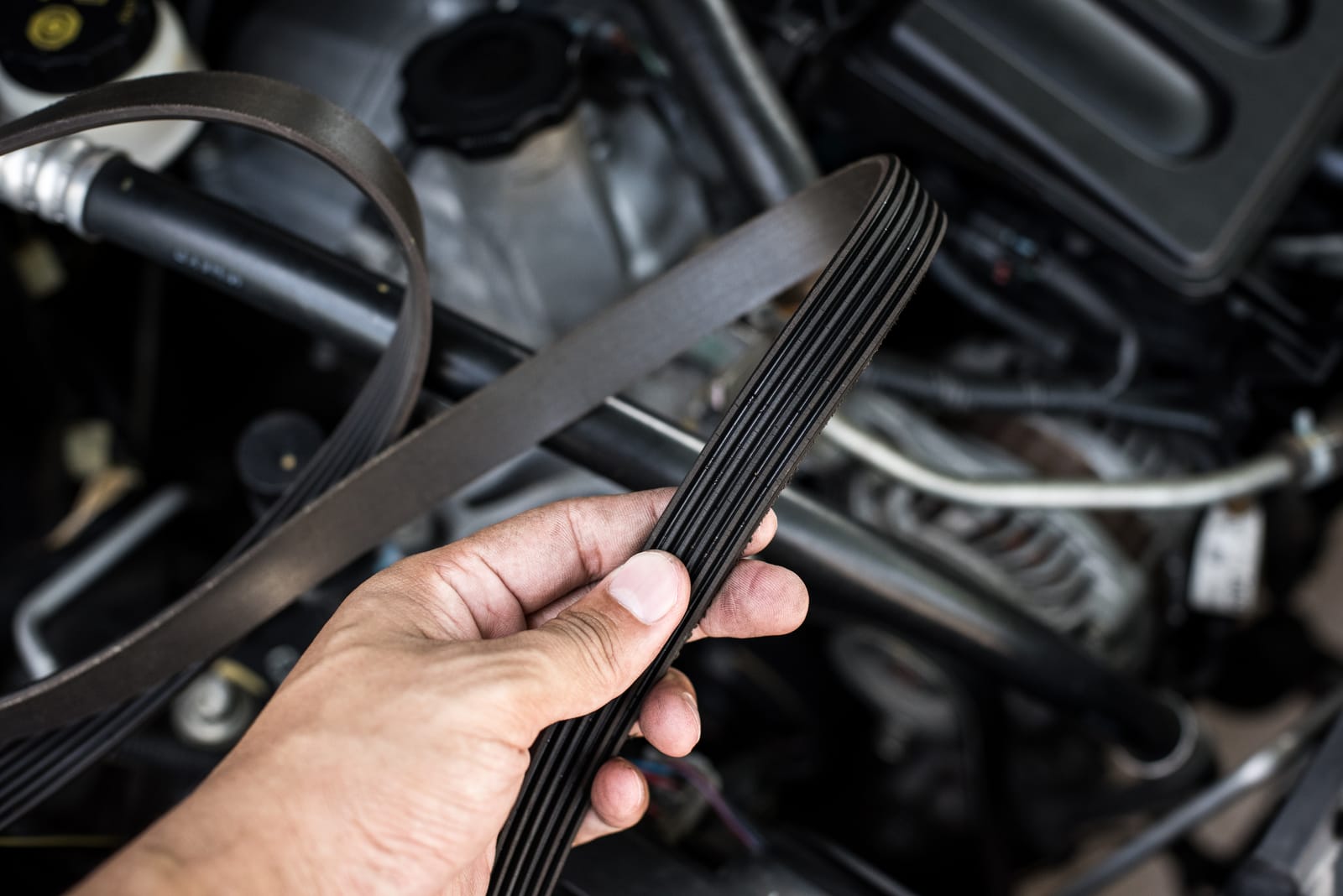
Heat dries out rubber components. Cracked belts or weak hoses fail under pressure.
Check for:
A broken belt can stop your engine or disable key systems like your alternator.
Replace worn parts before failure.
Sun exposure damages paint and interior surfaces.
Use these steps:
The sun fades paint and cracks dashboards. Regular care slows this damage.
Summer travel often includes long trips and heavy traffic. Brakes must perform well under heat.
Listen for:
Inspect brake pads and rotors. Replace worn components early. Heat reduces braking efficiency when parts wear down.
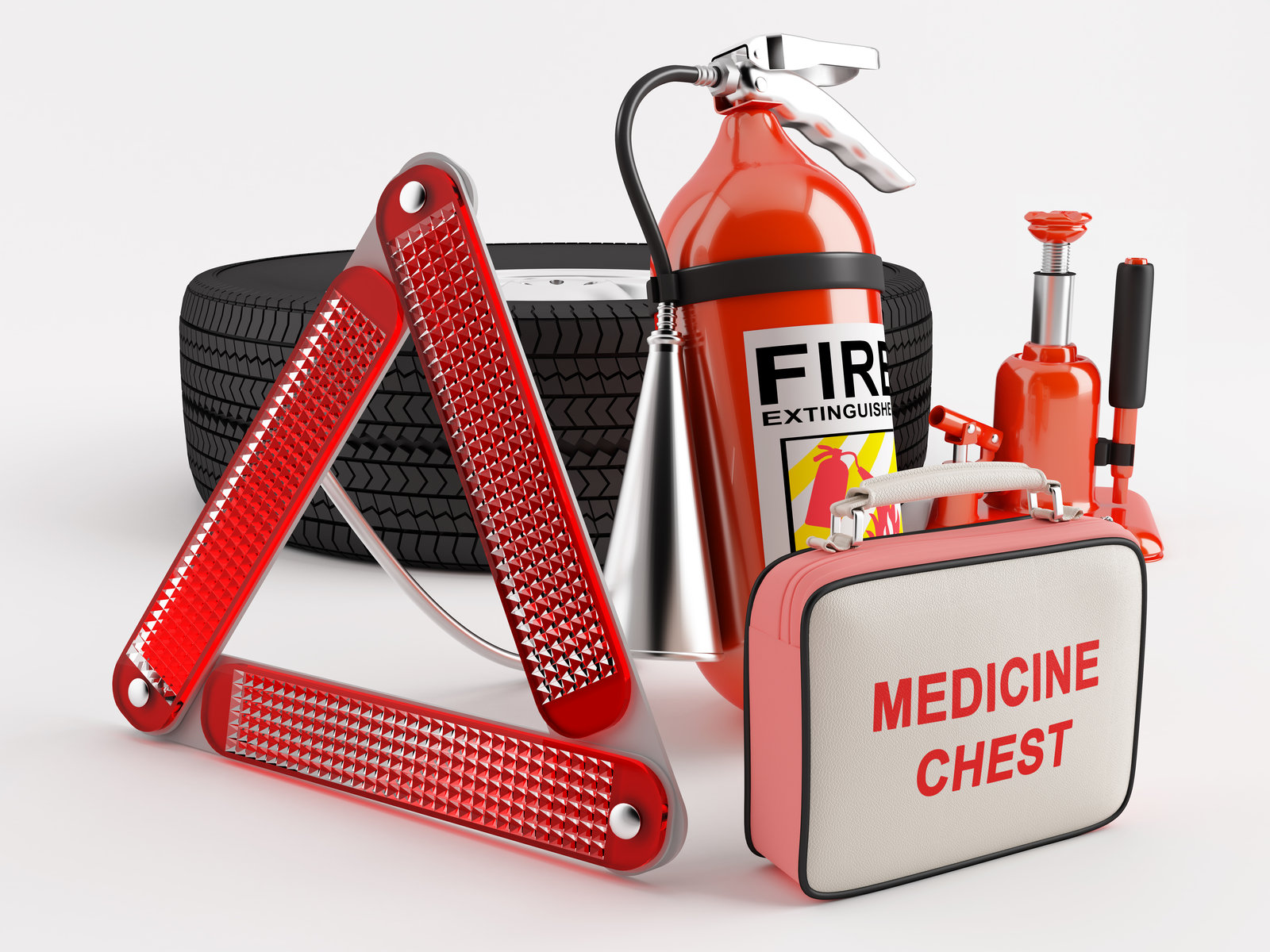
Breakdowns happen. A basic kit keeps you safe.
Include:
High temperatures increase dehydration risk. Keep extra water in your vehicle.
Stay alert for:
Address issues early. Delays lead to costly repairs.
Keep your car ready for Virginia heat. Schedule your appointment today at America 1st Automotive or call (540) 356-0656 for expert service and trusted care
Check coolant at least once a month during hot weather.
Low coolant, leaks, faulty thermostat, or blocked radiator often cause overheating.
Yes. Heat speeds up battery wear and reduces lifespan.
Follow your service schedule. Heat may increase engine stress.
Carry water, jumper cables, a flashlight, and a first aid kit.
You are leaving the America 1st Automotive website. The following content is not ours.