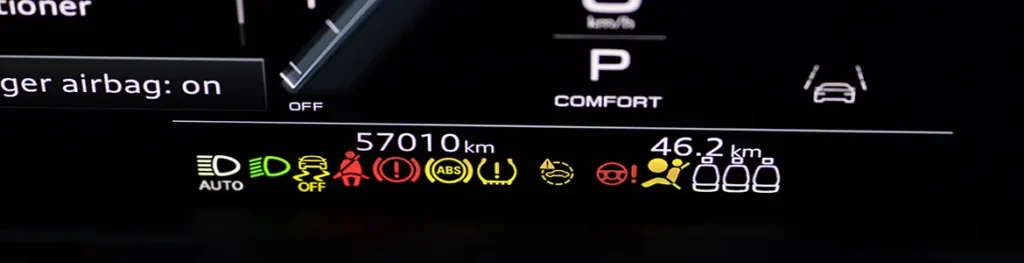
Many different car dashboard lights with warning lamps illuminated Light symbol that pops up on dashboard when something goes wrong with the engine Close up shot of hybrid car instrument panel

Dashboard Warning Light Guide for Fredericksburg Drivers

How to Read Your Dashboard Warning Lights (And When to Actually Worry)

A light flashes on your dashboard, and your stomach drops. Is this a five-dollar fix or a five-thousand-dollar problem? Most drivers don’t know the difference between a warning you can handle this weekend and one that means you need to pull over now.

Your dashboard talks to you through color and symbol. Knowing what each light means saves you money, protects your safety, and keeps you from unnecessary trips to the shop. Here’s a breakdown of what’s really happening under your hood when those lights come on.

Dashboard Light Colors Tell You the Urgency Level

Carmakers follow a color system that matches traffic signals, and that pattern helps you react correctly without guessing.

    • Red lights mean stop driving or pull over as soon as you can safely. They signal a safety risk or a problem that can cause damage if ignored.
    • Yellow or orange lights mean something needs attention soon, but driving a short distance won’t cause instant harm. Schedule service within the next few days.
    • Green or blue lights confirm a system works correctly. These aren’t warnings; they’re status indicators like your high beams or cruise control.

Knowing this color system alone helps you react with the right level of urgency instead of panicking over every light.
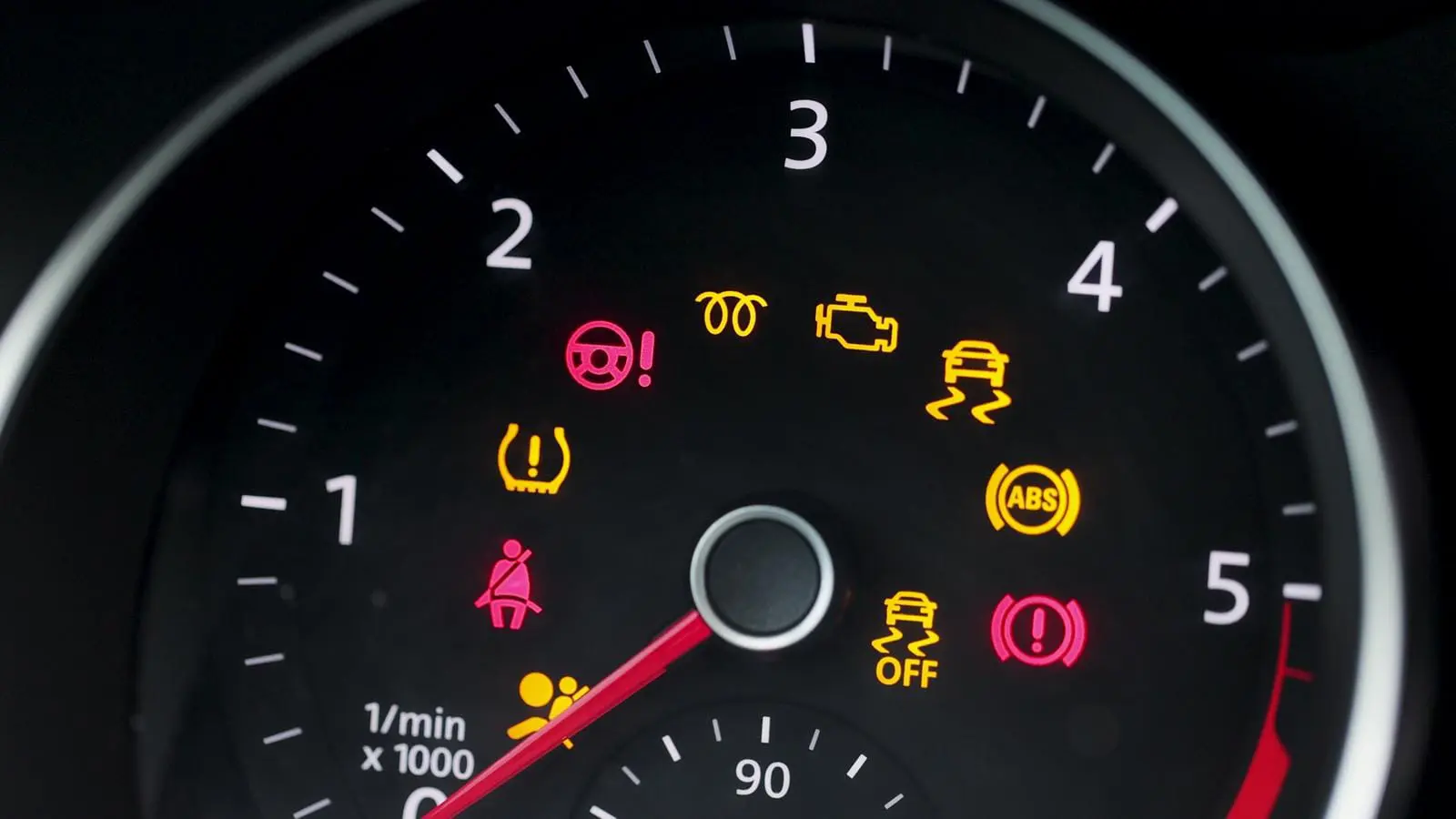
Many different car dashboard lights with warning lamps illuminated

Red Warning Lights That Mean Stop Driving

    • Oil Pressure Light
      This light looks like an old-fashioned oil can. A glowing oil pressure light means your engine isn’t getting proper lubrication, and metal parts grind against each other without protection. Driving even a short distance with low oil pressure causes severe engine damage. Pull over immediately, check your oil level, and call a tow truck if the oil appears low or the light stays on after adding oil.
    • Temperature Warning Light
      This light shows a thermometer symbol. An overheating engine can warp cylinder heads, blow head gaskets, and cause expensive repairs. Pull over, turn off the engine, and let the car cool before checking coolant levels. Never open a hot radiator cap; pressurized steam can cause burns.
    • Brake System Warning Light
      A red exclamation point inside a circle, sometimes with the word “BRAKE,” signals a problem with your braking system. This light turns on for low brake fluid, a parking brake left engaged, or a failure in the brake hydraulic system. Test your brakes carefully in a safe area, and get your vehicle towed if pedal feel changes or the pedal sinks to the floor.
    • Battery or Charging System Light
      This light looks like a battery symbol. A lit battery light during driving means your alternator isn’t charging the battery, not that the battery itself failed. Your car runs on stored battery power until that runs out, then the engine stalls. Drive directly to a repair shop and avoid turning on extra electrical accessories like the radio or air conditioning.

Yellow Warning Lights That Need Attention Soon

    • Check Engine Light
      This light causes the most confusion because it can indicate hundreds of issues, from a loose gas cap to a failing catalytic converter. A steady check engine light means you should schedule a diagnostic scan within the week. A flashing check engine light signals a more serious misfire that can damage your catalytic converter and requires immediate attention.
    • Tire Pressure Monitoring System (TPMS) Light
      This light looks like a tire cross-section with an exclamation point. Low tire pressure reduces fuel economy, increases tire wear, and raises the risk of a blowout. The National Highway Traffic Safety Administration reports that underinflated tires contribute to thousands of crashes yearly. Check your tire pressure with a gauge and inflate to the number listed on your driver’s door frame.
    • ABS Warning Light
      This light shows the letters “ABS” inside a circle. Your regular brakes still work with this light on, but your anti-lock braking system doesn’t engage during hard stops. Schedule service soon, since ABS prevents wheel lockup and skidding on wet or icy roads.
    • Washer Fluid Light
      This light shows a windshield with spray lines. Low washer fluid reduces your ability to clear road grime, cutting visibility during rain or winter driving. Refill the reservoir yourself; this costs a few dollars and takes two minutes.

Lights That Require Immediate Professional Attention

Some yellow lights deserve faster action despite their color, since they protect occupant safety during a crash:

    • Airbag warning light: A lit airbag light means your airbags may not deploy during a collision. Schedule service right away.
    • Power steering warning light: Loss of power steering assist makes your vehicle harder to control, especially at low speeds.
    • Traction control or stability control light: These systems help you maintain control on wet or icy roads. A malfunction reduces that protection.

Why Guessing at Dashboard Lights Costs You Money

Drivers who ignore warning lights face larger repair bills than drivers who address problems early. A low oil pressure early costs an oil top-off. If you ignore it for a week, the same situation can cost an engine replacement. A check engine light caused by a loose gas cap costs nothing to fix. If you ignore that same light for months, a failing oxygen sensor can damage your catalytic converter and cost hundreds more.

A proper diagnostic scan identifies the exact cause of any warning light instead of leaving you guessing. Modern vehicles store trouble codes in their computer systems, and a technician can read them with a scan tool in minutes.
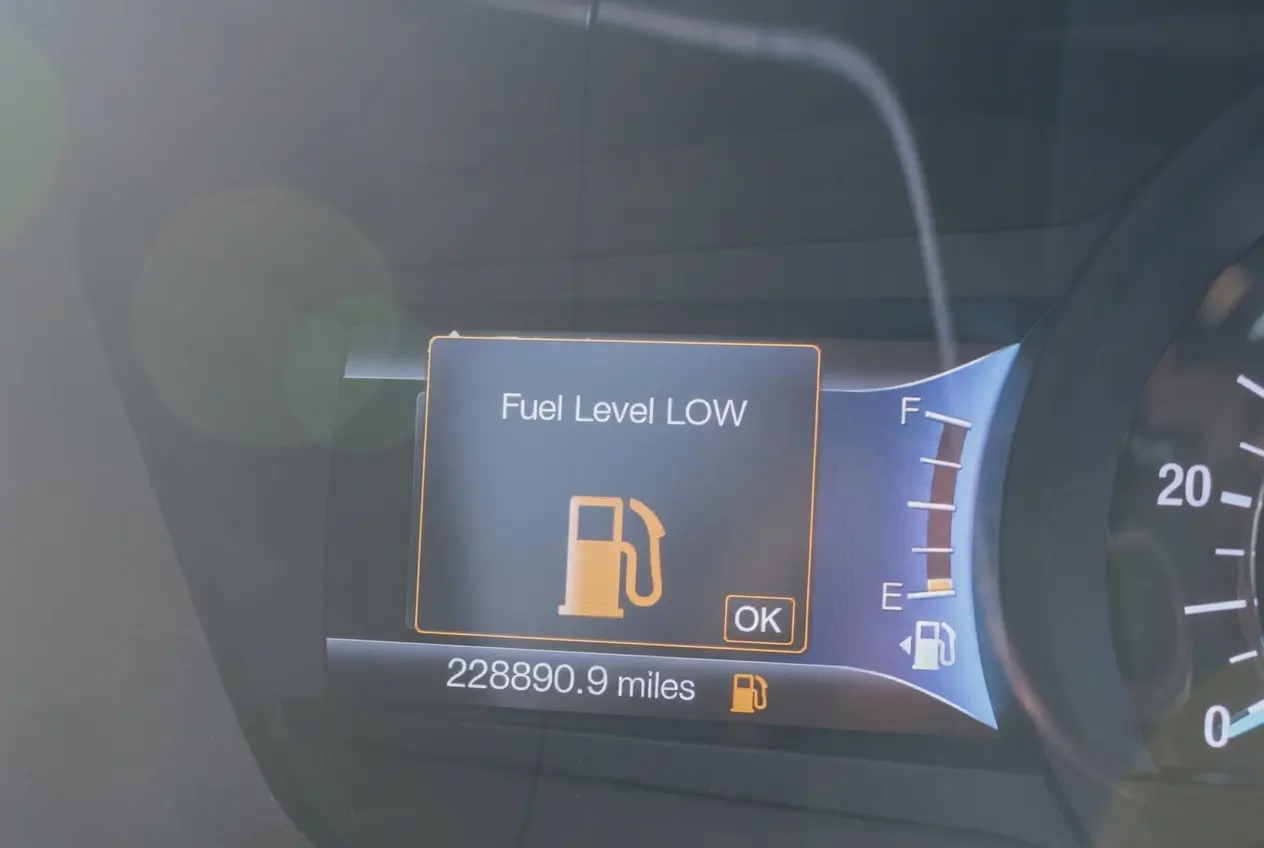
Low fuel dashboard warning light

Get Your Dashboard Lights Checked in Fredericksburg

Dashboard warning lights give you information, not guesswork. A professional diagnostic scan tells you the exact issue behind any light, whether that’s a simple fix or a system that needs repair before you drive further.

America 1st Automotive, located at 1006 Warrenton Road in Fredericksburg, Virginia, offers diagnostic scans and repair services for every warning light on your dashboard. The shop’s technicians explain each code in plain language, provide an honest repair estimate, and get you back on the road with confidence.

Schedule your appointment today at America 1st Automotive or call (540) 356-0656 for expert service and trusted care

FAQs

What does a flashing check engine light mean compared to a steady one?

A steady check engine light means schedule a diagnostic scan within the week. A flashing light signals an active engine misfire, which damages your catalytic converter quickly and requires immediate attention.

Is it safe to keep driving with the oil pressure light on?

No. Low oil pressure means your engine parts lack proper lubrication. Pull over immediately, check your oil level, and avoid driving further until the problem gets fixed.

Why did my battery light turn on while I'm driving?

A lit battery light during driving usually points to a failing alternator, not the battery itself. Your car runs on stored power until that runs out, so drive straight to a repair shop.


Can a loose gas cap really trigger the check engine light?

Yes. A loose or damaged gas cap breaks the seal in your fuel system, which triggers an evaporative emissions code and lights up your check engine light.

What should I do if my brake warning light comes on?

Check your brake fluid level first, and make sure your parking brake isn’t engaged. If the pedal feels soft or sinks to the floor, stop driving and call for a tow.