We are your one-stop shop for all your auto repair needs. Our experienced technicians are here to provide top-notch service and get you back on the road in no time. Contact us today to schedule an appointment.
Your engine powers everything your vehicle does. A weak engine can overheat on the highway or stall at an intersection. Both problems put you and your passengers at risk. Preventive engine maintenance stops small issues before they turn into bigger repair bills.
Follow the four tips below to protect your engine.
An engine looks like one large part. Many components work together inside, and each one depends on the others. A worn spark plug, a dirty filter, or low oil affects the whole system. Regular service keeps every part running properly.
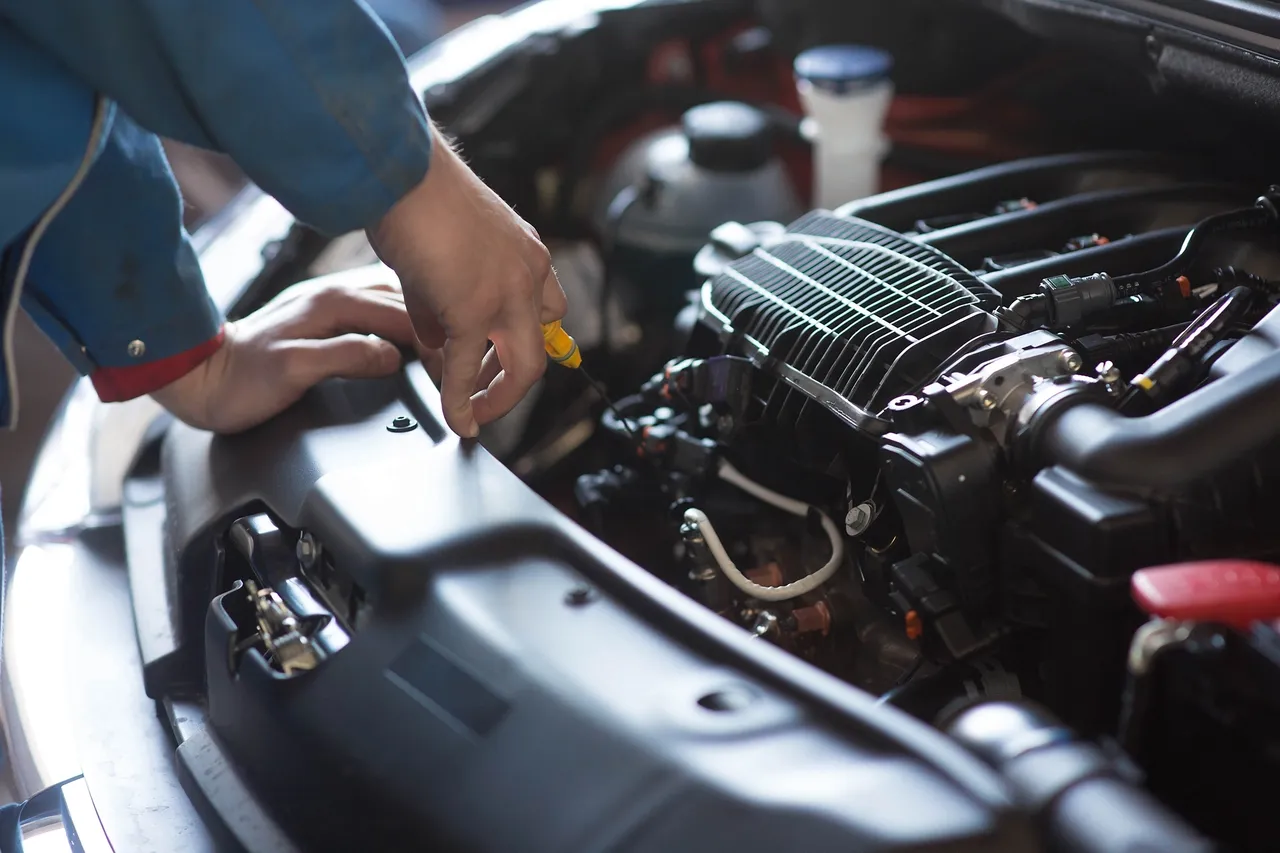
Dirt, dust, and grease collect under the hood. Leaves blow in. Rodents nest in tight spaces. Buildup can hide leaks and make problems harder to find.
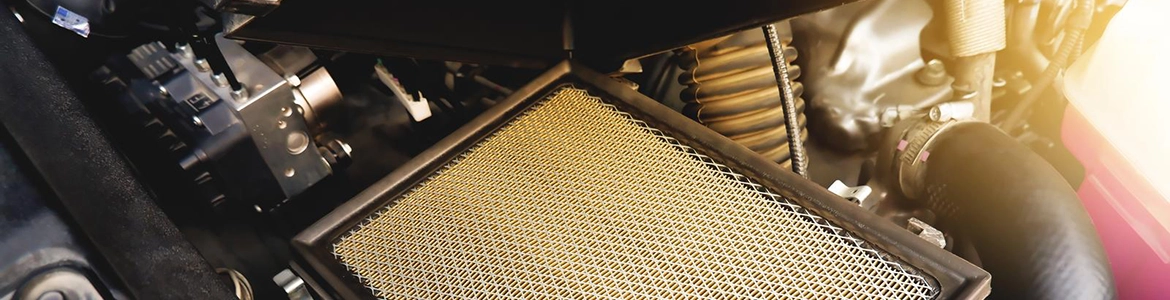
A clean engine bay helps your mechanic work faster. Leaks, cracked hoses, and worn belts show up sooner. A technician also checks your air filter. The U.S. Department of Energy reports that a clogged air filter on a modern, fuel-injected engine does not change fuel economy, but a clean filter improves acceleration.
Your mechanic will:
• Clear leaves and debris from the engine bay
• Wipe away grease and grime with a degreaser
• Inspect belts, hoses, and wiring
• Replace a dirty air filter
Call a mechanic right away if you notice odd noises, burning smells, or smoke from the engine compartment.
Spark plugs ignite the fuel in each cylinder. Worn plugs cause trouble. Watch for these signs:
• Rough idle
• Hard starts
• Engine misfires
• Weak acceleration
Your owner’s manual lists the spark plug replacement interval. A technician removes the old plugs, checks each one’s condition, and installs new plugs when the schedule calls for them. The job is small, but good plugs keep your engine running smoothly.
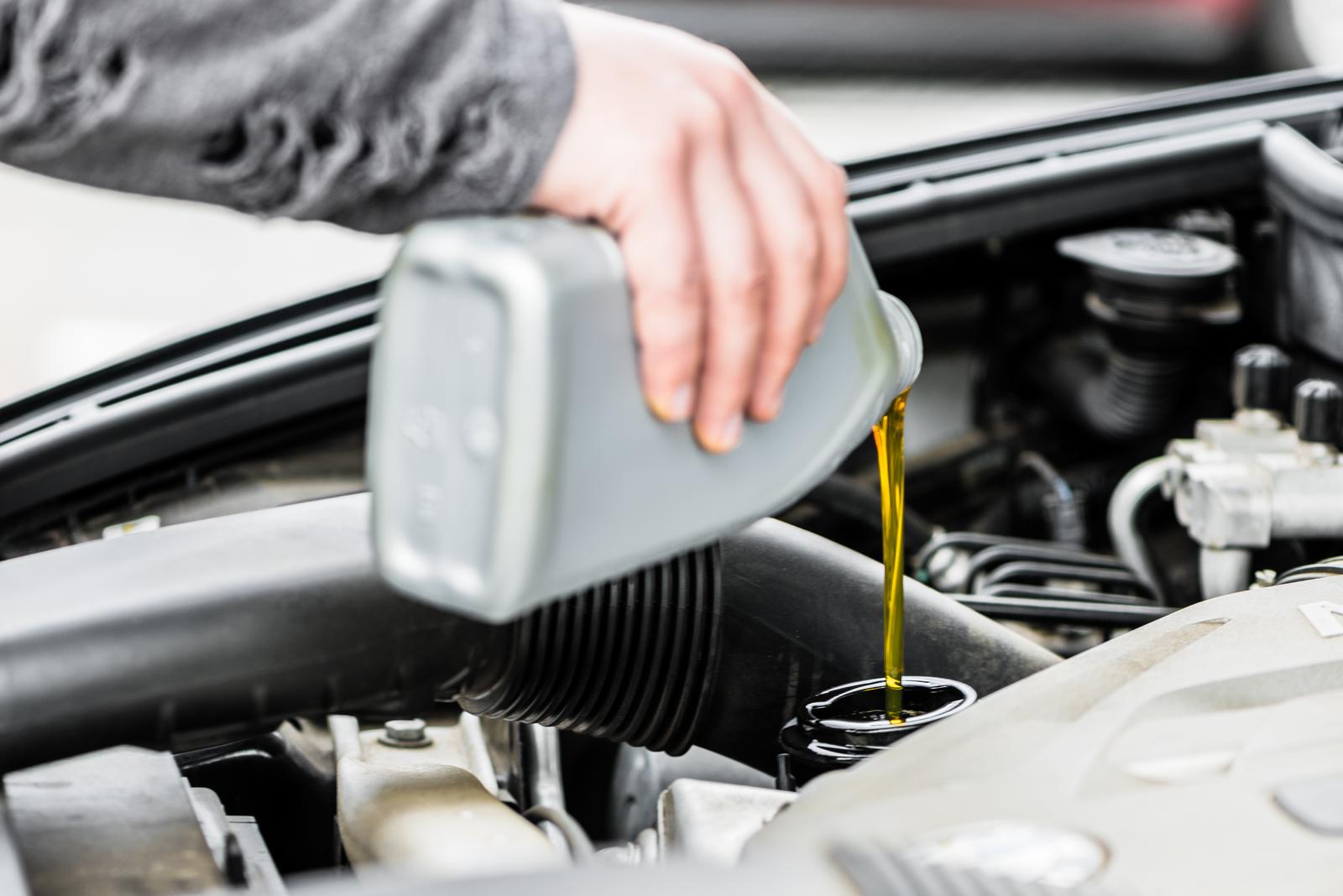
An engine has many moving parts. The crankshaft, pistons, and cylinder walls all rub together. Without clean oil, friction wears down each surface. Damaged parts often need replacement.
Good lubrication needs three things:
• The correct oil grade for your engine
• Oil at the right level
• Seals and gaskets free of leaks
Use the oil grade the manufacturer recommends. The U.S. Department of Energy states that the correct grade improves gas mileage by 1% to 2%. Your owner’s manual names the right grade. Your mechanic should check seals and gaskets at each service.
Oil change intervals differ by engine and oil type. Older oil breaks down. Dirty oil thickens and loses lubrication strength. Fresh oil protects each part under the hood.
Follow the interval in your owner’s manual. Most manuals list both a mileage limit and a time limit. Change the oil when you reach the first one. Short trips, towing, and stop-and-go traffic shorten the interval, so tell your mechanic how you drive.
Not sure whether your oil needs service? Ask for an oil check. A technician reads the level and condition in minutes.
Engine problems grow worse with time. A simple repair can turn into a major one if you wait. Book a visit when you notice any of these signs:
• The check engine light comes on
• The temperature gauge climbs
• The oil pressure light appears
• Oil spots show up under your parked car
• You hear knocking, ticking, or grinding
• You smell burning oil or coolant
• Your car loses power
The U.S. Department of Energy and the EPA advise you to see a mechanic when the check engine light comes on. A loose gas cap could be the cause. A serious issue might also reduce fuel economy, raise emissions, and lead to costly repairs.
Small habits protect your engine between visits. Follow these steps:
• Read your owner’s manual and note each service interval
• Check your oil level on a regular schedule
• Keep a record of each service with the date and mileage
• Watch your dashboard for warning lights
• Park away from heavy debris when possible
• Schedule a seasonal inspection before winter
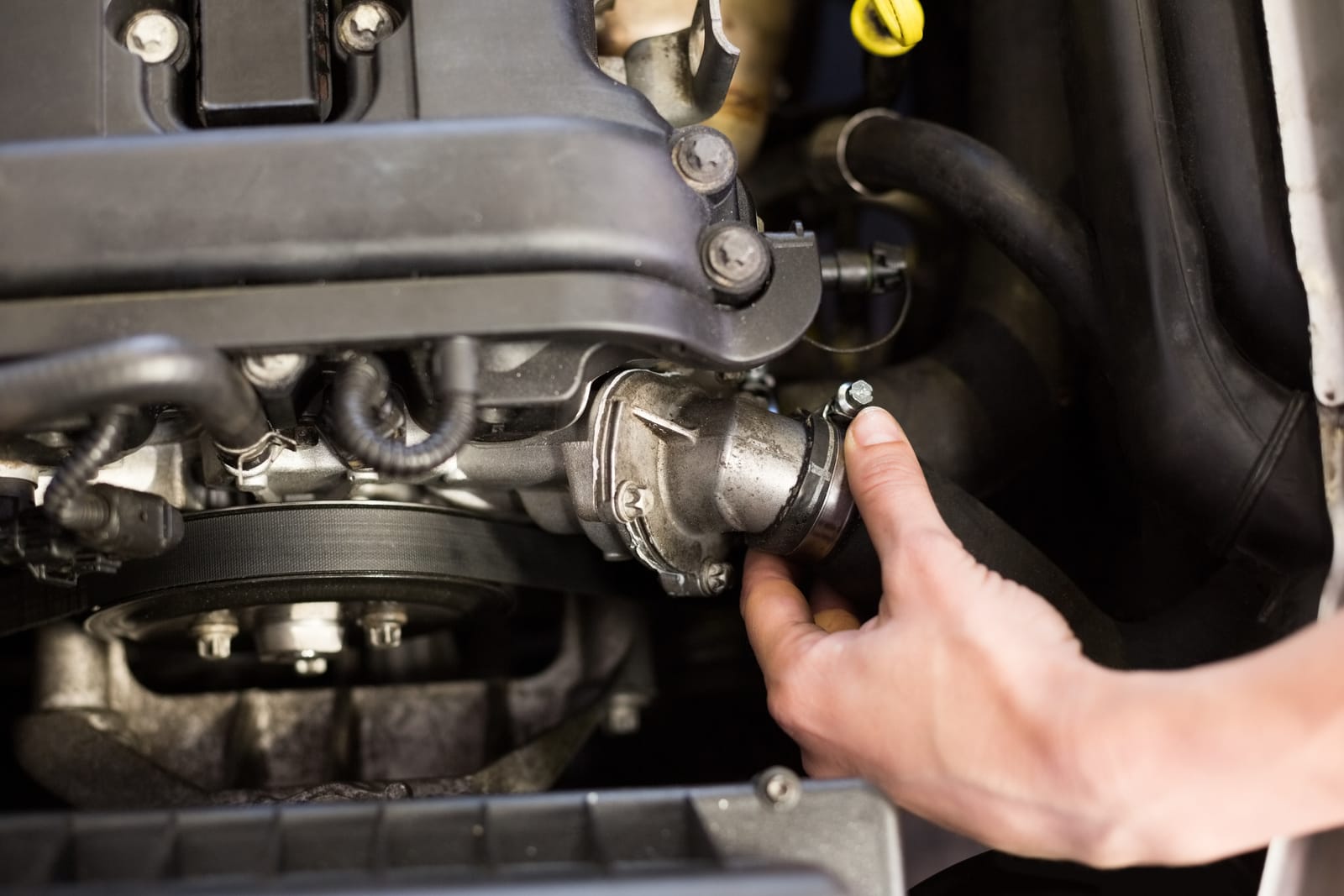
America 1st Automotive serves drivers in Fredericksburg (Stafford County) with engine maintenance and repair for imports and domestic vehicles. The shop employs ASE-certified technicians. Services include:
• Oil changes
• Engine maintenance and repair
• Engine and coolant flushes
• BG product services
• Manufacturer-recommended maintenance
• Heating and cooling service
• Electrical and electronic service
• Virginia state safety and emissions inspections
The shop sits on Warrenton Road, two miles from I-95 Exit 133. Drop-off service lets you leave your keys, and the team repairs your vehicle while you work.
Protect your engine before trouble starts.
Call America 1st Automotive at (540) 356-0656 or stop by 1006 Warrenton Road, Fredericksburg, VA 22406
Open Monday through Friday, 7:00 am to 5:30 pm. Book your preventative engine maintenance service today
Preventative engine maintenance means you service engine parts on a schedule, before they fail. The work includes oil changes, spark plug replacement, filter checks, and inspections of belts, hoses, and seals.
Follow the interval in your owner’s manual. Most manuals list a mileage limit and a time limit. Change the oil at the first limit you reach. Towing and short trips shorten the interval.
The cause stays unknown. The U.S. Department of Energy and the EPA warn engine issues reduce fuel economy, raise emissions, and lead to costly repairs. Have a mechanic inspect your vehicle.
Replace spark plugs at the interval in your owner’s manual. Rough idle, hard starts, and misfires signal worn plugs.
Yes. America 1st Automotive provides oil changes, engine maintenance and repair, and engine and coolant flushes for imports and domestic vehicles in Fredericksburg, Virginia.
You are leaving the America 1st Automotive website. The following content is not ours.